An extraordinary fighting game that gives its enormous crossover roster real substance
Super Smash Bros. Ultimate is incredible because the scale of its crossover is matched by the quality of the game underneath it. The roster is an obvious attraction, but I love how enjoyable an ordinary match remains after the excitement of another familiar character has passed. Moving, attacking and trying to recover from a dangerous position create a satisfying exchange with very little wasted effort. The stages, music and rule options make that foundation unusually generous. Nine and a half out of ten is my score. The adventure material and some of the supporting systems are less consistent than the fighting itself, so I do have reservations. They are small beside the quality of the complete package. Ultimate gives me an enormous range of ways to enjoy a system that already works exceptionally well, making the celebration of different games feel like a consequence of good design rather than a substitute for it.
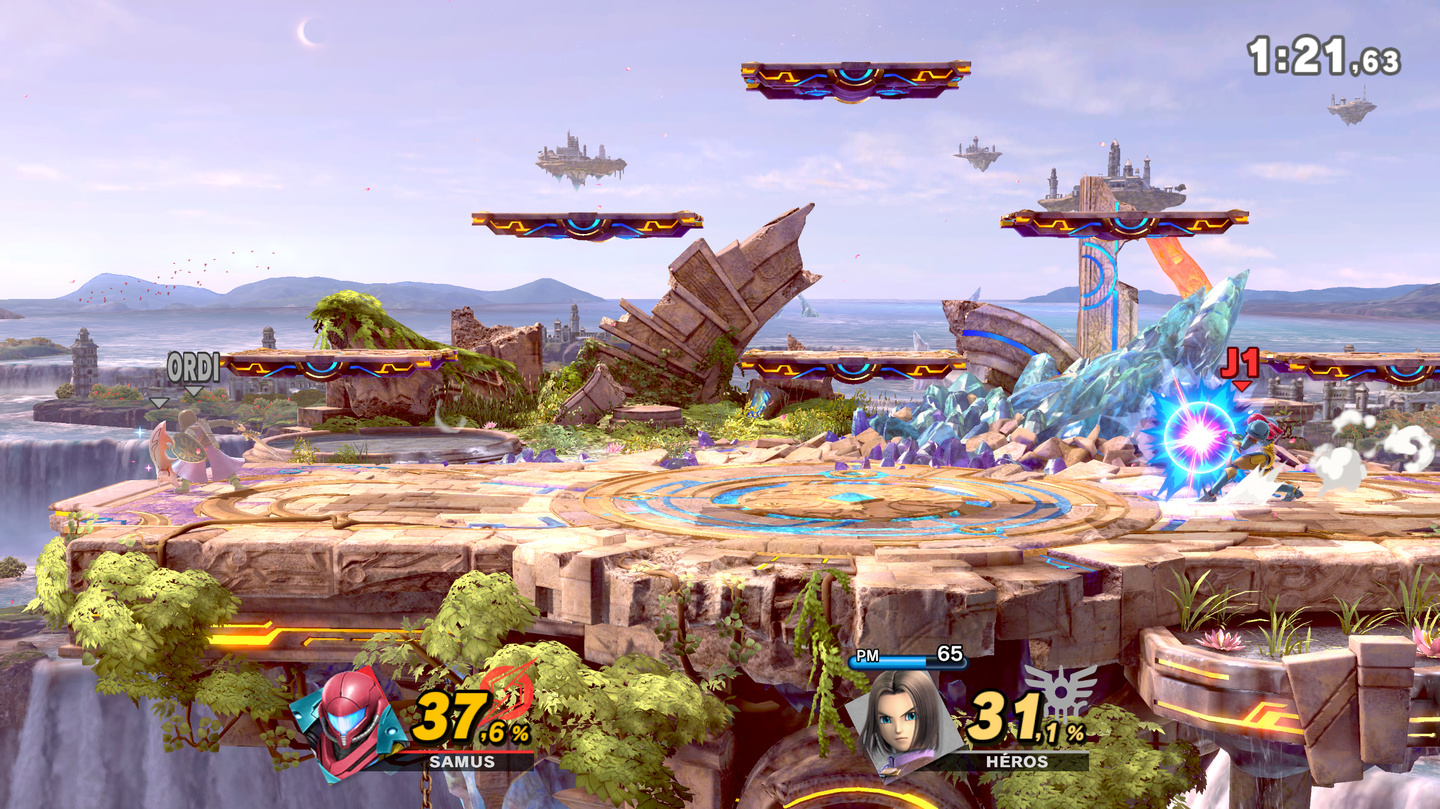
The fighting stays compelling because damage and position are connected. Raising an opponent's percentage matters, but the next action also depends on where both characters are standing, which direction an attack sends them and what options remain afterward. I love how a small exchange can change the whole situation without requiring a complicated command sequence before anything interesting happens. A jump can begin an attack, avoid a threat or preserve a chance to return to the stage. The controls give ordinary actions several useful meanings, which makes learning a character rewarding over time. A familiar move becomes more interesting as the surrounding decisions become clearer. That is the heart of the recommendation for me. Ultimate is easy to understand at the level of its goal, then keeps revealing more in the movement and timing that lead toward it. The result is a fighter whose depth remains attached to actions that are already enjoyable to perform.
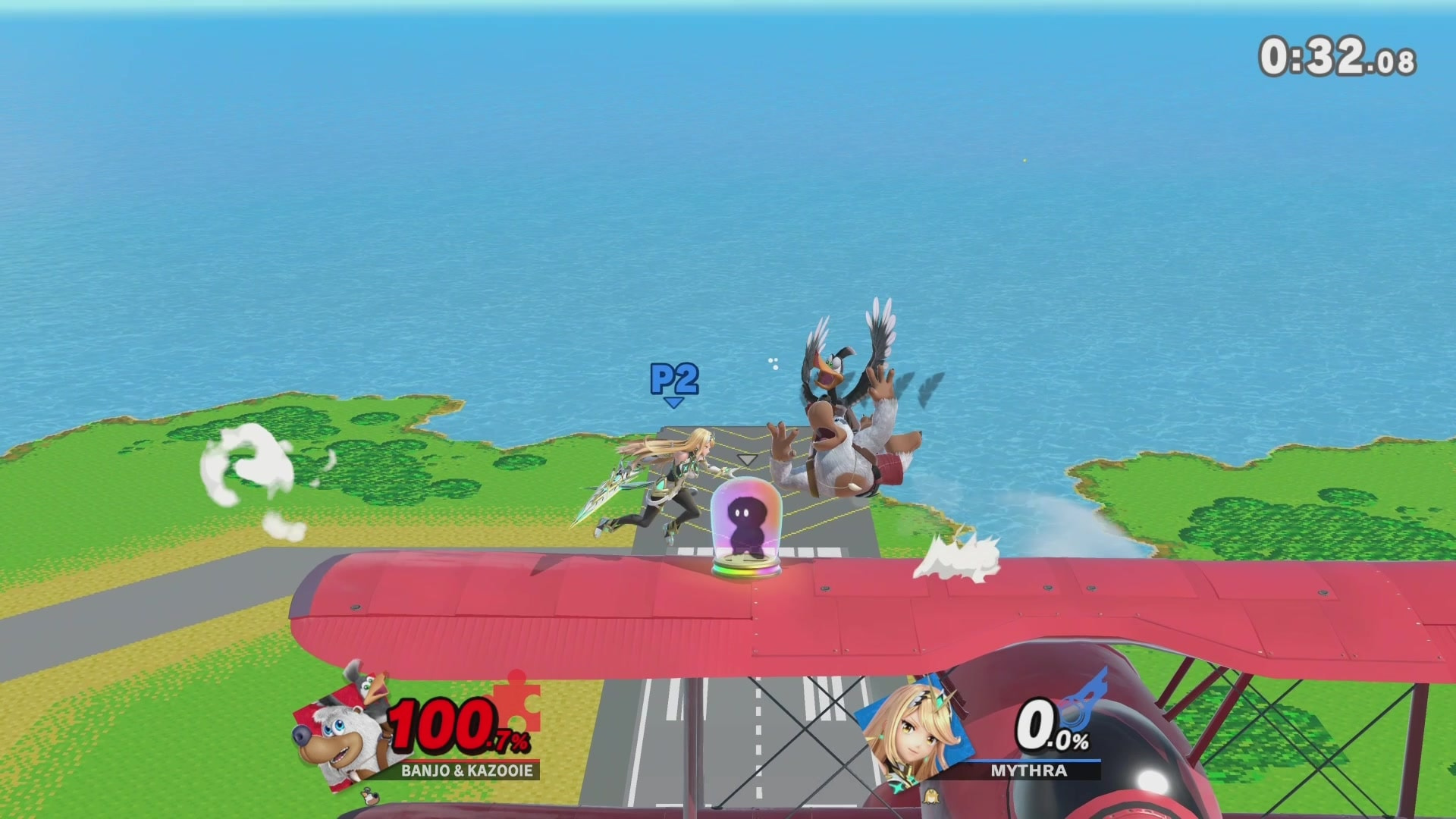
The roster makes that learning process feel remarkably generous. A heavier character, a fast fighter and someone who controls space at a distance can all make the same stage ask for different habits. I enjoy how recognizable abilities have been translated into a shared set of rules without flattening every character into an interchangeable version of the same idea. The crossover gives me reasons to be curious, while the practical differences give that curiosity somewhere worthwhile to go. I do not need every fighter to suit my preferences equally to appreciate the selection. The point is that trying another character can produce an interesting change in how a match is approached. Ultimate also does a wonderful job of giving guests a personality that belongs in the fight rather than only in a dramatic introduction. The roster is enormous, but the quality of its individual identities matters more to me than the number. The size is exciting because the game gives the characters a good reason to share the same arena.
The stages and rules offer a similarly impressive range. A busy setting with items and hazards can create a completely different mood from a simple layout focused on the two fighters, and I like being able to choose without having the game treat one preference as the only worthwhile way to play. Battlefield and Omega forms help preserve the identity of a setting while changing the geometry of the contest. The broader options let the same combat support a spectacle, a focused challenge or a playful experiment. The limitation is that more activity is not always better readability. Some arrangements become crowded enough that I would rather simplify them, especially when the main pleasure is in following a particular exchange closely. The important part is that Ultimate gives the choice room to exist. I can enjoy the crossover's chaos without needing every match to be chaotic, and I can appreciate a clearer contest without losing the visual and musical personality around it.
World of Light provides a substantial solo route through the Spirits system, and I like how many of its challenges use the fighters and stage conditions to suggest another character or scenario. A familiar arena can become a small puzzle about choosing equipment or responding to an unusual rule. Those ideas are often entertaining. The whole adventure is less consistently strong because the repeated battle structure can make a long sequence feel more like clearing markers than discovering something new. Spirits also add a layer of preparation that I find useful in pieces and less appealing when it becomes the most prominent part of reaching another fight. I enjoy the mode as another way to use the excellent combat, but I do not find every step equally compelling. The game is strongest when a particular challenge creates a clever situation, and weaker when the surrounding progress makes a similar encounter feel necessary mainly because it is the next point on a large map.
The presentation gives the package an exceptional sense of care. The music selection makes the represented worlds feel present beyond their characters, and the stages have enough detail to be enjoyable places to inspect as well as useful spaces to fight. I love how many different styles can coexist without making the central combat feel anonymous. The other modes and rule variations also give the roster more ways to be enjoyed, with focused character challenges and team-based ideas making good use of the selection. Not every extra has the same value, but the central game is strong enough that the better ones feel genuinely generous. My main reservation is that the package's sheer size can sometimes make its menus and supporting systems feel busier than they need to be. That is a minor issue beside the appeal of the battles, and it does not make the breadth feel empty. There is enough enjoyable play to justify the attention given to the collection around it.
I finish Ultimate with an extremely strong recommendation. The combat is rewarding, the characters are distinct and the rule options let the same system serve several different kinds of enjoyment. The music and visual care make the crossover feel extraordinary without asking recognition alone to carry the experience. Nine and a half out of ten reflects how close the complete package comes to everything I want from this kind of fighter. World of Light and the wider progression can become repetitive, and I do not find every supporting activity as compelling as a good ordinary match. Those qualifications remain small because an ordinary match is so good. Ultimate gives its cast a stage on which their differences matter, then gives the player enough ways to shape that stage that returning stays appealing. I love the scale, but I value the substance more. The combination makes this a remarkable game rather than merely a remarkable list of familiar names.
Final thoughts
Ultimate combines excellent fighting with a huge, distinctive roster and extraordinary music and stage variety. Flexible rules make the combat useful in many different ways, while the solo progression is more uneven. I love how much substance sits underneath the scale of its crossover. 9.5/10.
Final score: 9.5/10.
Reviewed on Nintendo Switch. No review copy was provided.
 Super Smash Bros. for Nintendo 3DS Review
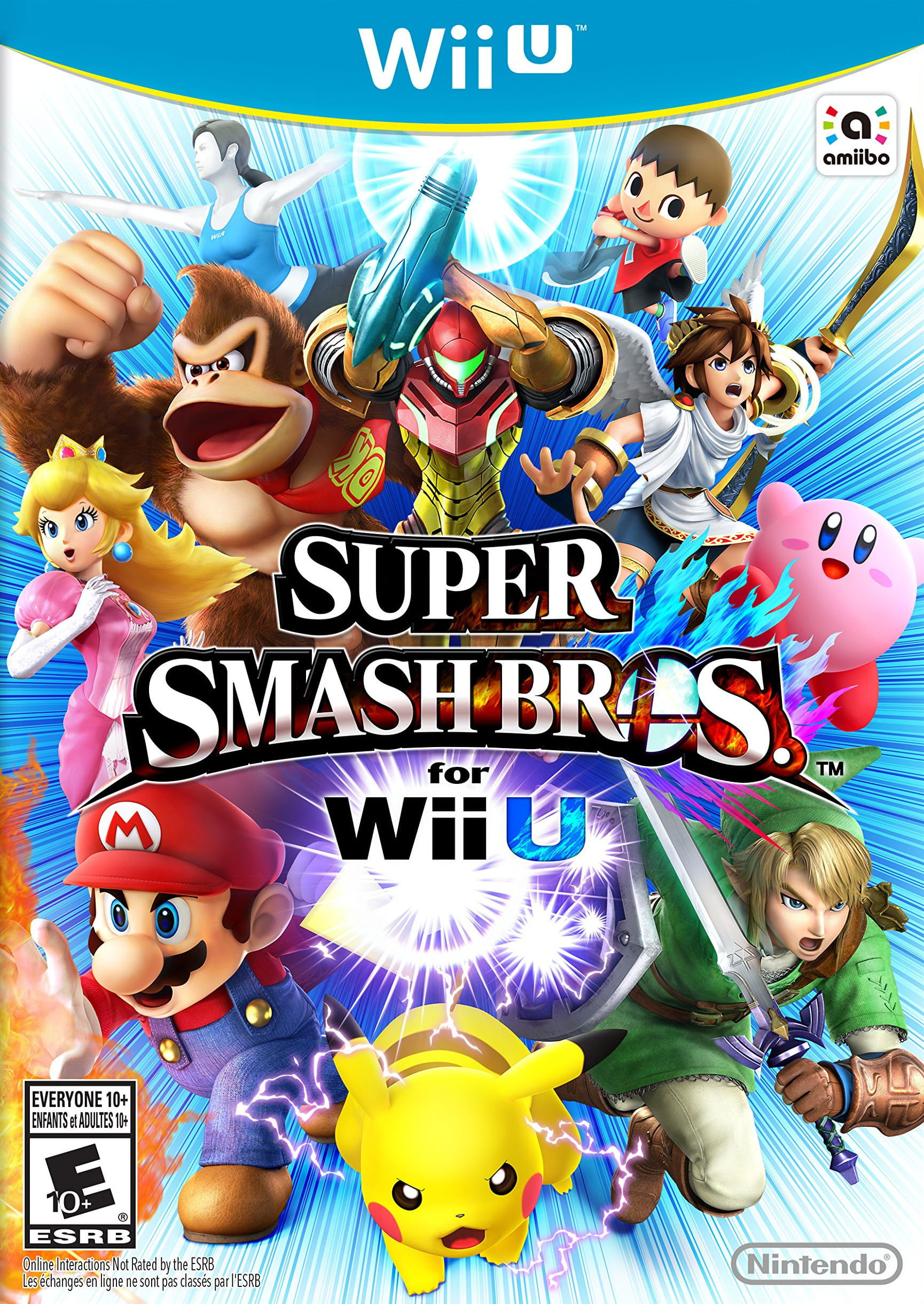 Super Smash Bros. for Wii U Review
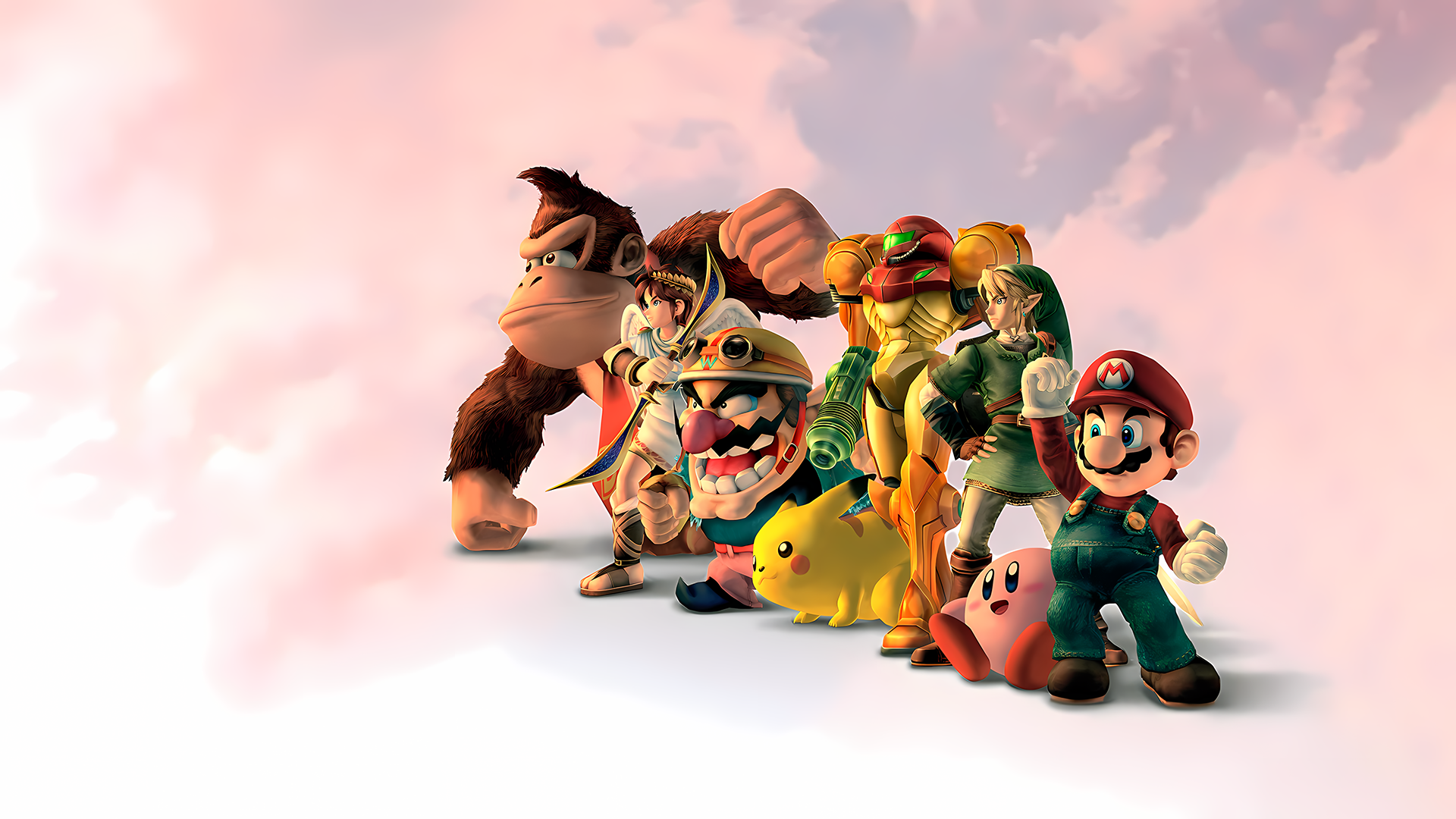 Super Smash Bros. Brawl Review