A superb platform fighter whose ordinary matches are stronger than its busiest extras
Super Smash Bros. for Wii U is an excellent fighting game before I even begin counting the characters or looking through the extra modes. Moving around a stage, reading an opponent and turning damage into a knockout is consistently enjoyable. I love how easily the game can shift from a noisy battle full of items to a more focused match without losing the clarity of its central idea. The roster and presentation make that foundation even more appealing, bringing together characters whose differences matter through the controls as well as their appearance. Nine out of ten is my score. The weaker extras do not match the quality of the fighting, and I would welcome a more compelling connected solo adventure, but those reservations do not weaken the main recommendation very much. This is a generous, lively package built around combat that remains rewarding after the initial excitement of seeing familiar worlds together has passed.
The percentage-based damage system is the clearest reason the matches stay interesting. Landing an attack matters, but it does not automatically settle the exchange. The next question is where the opponent is sent, whether the position can be recovered and how another action might finish the stock. I enjoy that connection between fighting and movement. A jump is not only a way to approach an attack; it can be the difference between surviving offstage and losing the opportunity to return. The game gives ordinary actions several uses without making the controls impossible to understand. That makes learning a character satisfying, because a familiar move can become more useful as the surrounding decisions become clearer. I like that the pleasure of improving comes from understanding spacing and timing, not simply memorizing a long command before anything interesting can happen. The rules are easy to recognize, while the situations they create have enough depth to keep the next match appealing.
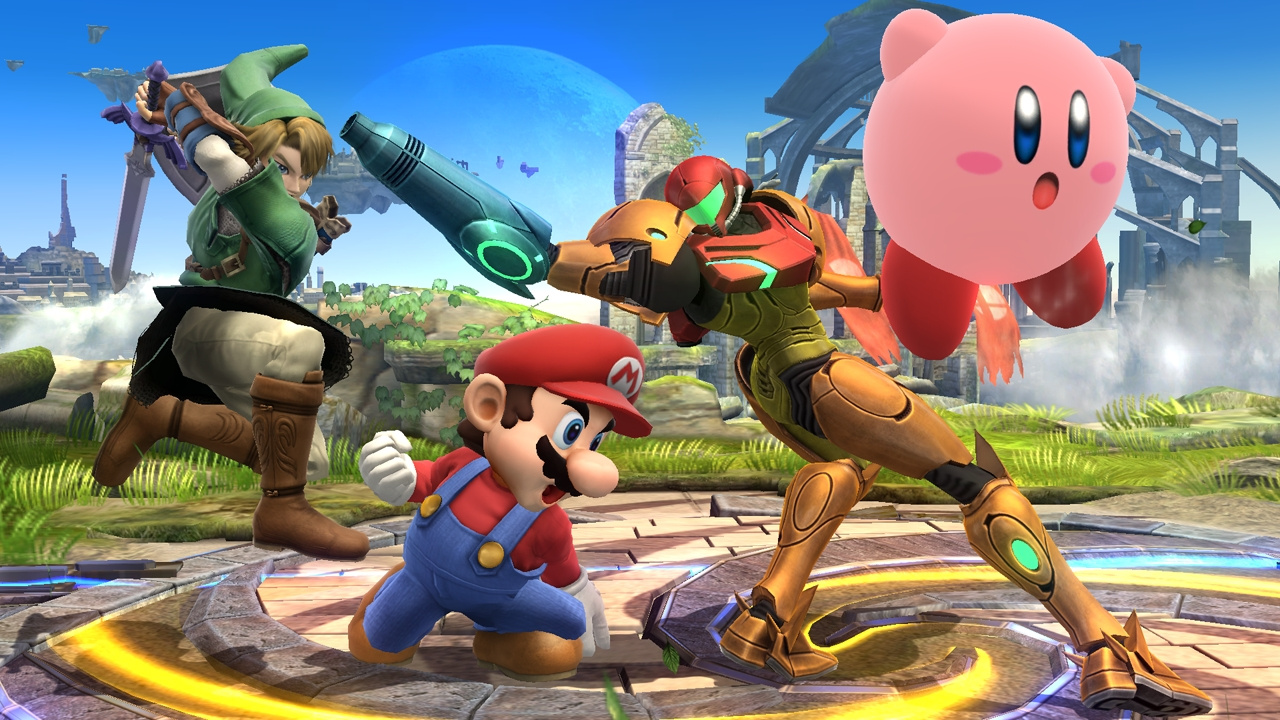
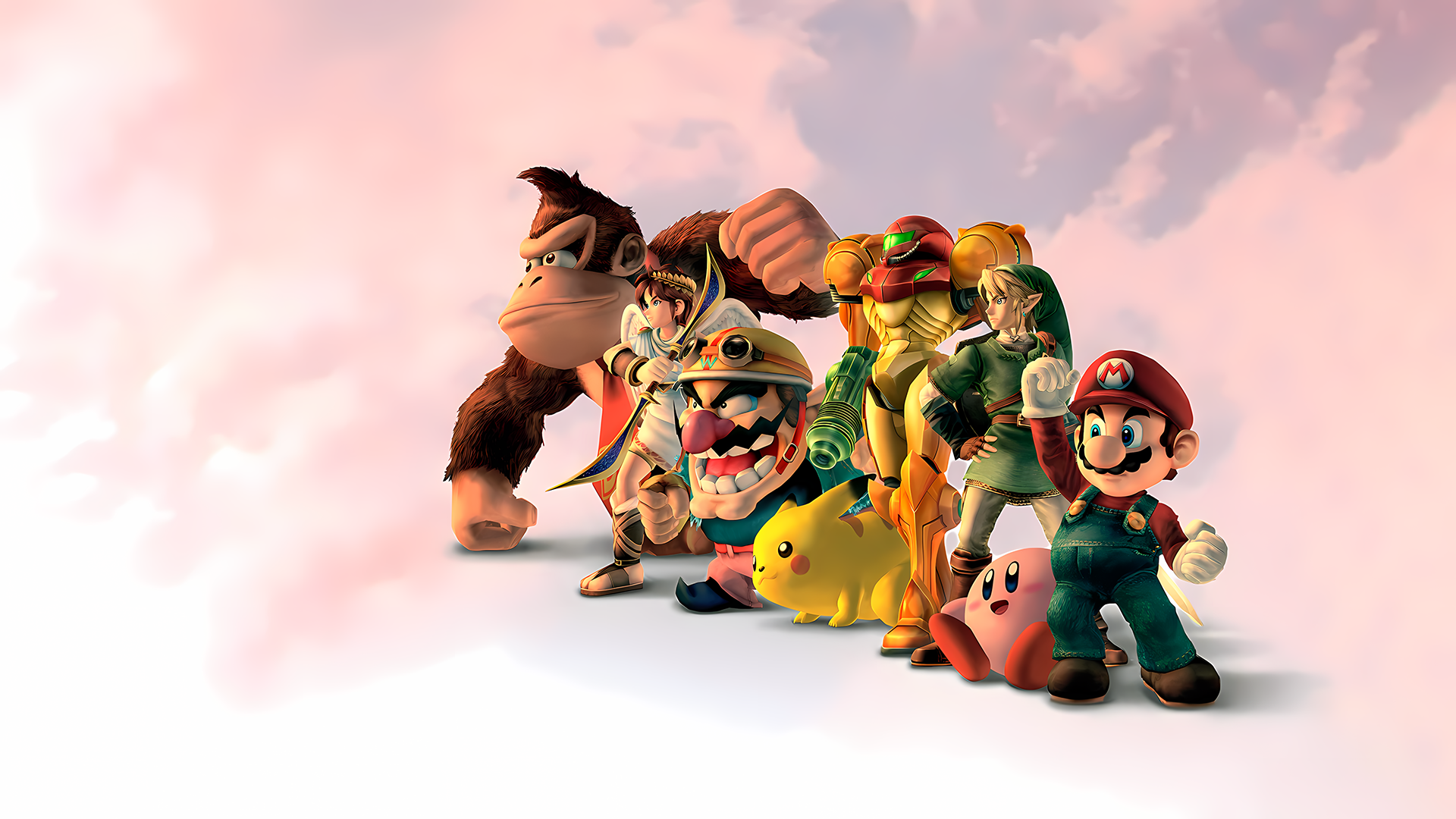
The roster makes that learning process especially rewarding. A fast character, a heavier fighter and a ranged specialist do not ask for exactly the same habits, so trying another selection can change how the stage is used. I enjoy the way familiar abilities have been translated into a shared combat language without making every character feel interchangeable. The inclusion of different Nintendo worlds and guests such as Sonic, Mega Man and Pac-Man gives the package a huge amount of personality, but the practical differences are what make the selection worth returning to. A recognizable move is most enjoyable when its purpose makes sense inside the fight. The game usually handles that balance very well. I do not need every character to suit my preferences equally. I need the cast to offer worthwhile alternatives, and this one gives me plenty of reasons to experiment. The crossover is entertaining because the fighting gives those characters a good place to meet, rather than asking recognition alone to carry the appeal.
The stages and rules let the same combat serve different moods. A busy arena with hazards and items creates another kind of problem from a flat layout with fewer interruptions, and I like having the choice rather than treating one approach as the only worthwhile way to play. The Omega versions provide a useful way to keep a setting's appearance while simplifying its geometry. The Wii U edition's eight-player option pushes the opposite direction, embracing a much larger amount of activity on compatible stages. I appreciate that range even though I do not find every arrangement equally readable or appealing. More characters on screen is a possibility, not an automatic improvement over a good smaller match. The important part is that the basic fighting supports both. I can enjoy the spectacle without needing the game to stay that noisy all the time, and I can appreciate a focused match without losing the characterful presentation around it.
The extra modes give the package a substantial amount to explore, although their quality is more uneven than the main fighting. Classic and All-Star provide structured ways through the roster, while the challenges, trophies and stadium activities offer smaller targets outside ordinary matches. I like having a reason to use different characters or approach a familiar action under a new condition. Event-style objectives are particularly useful when they turn the combat into a clear, playful problem. Smash Tour is less convincing to me. Its board-game framework adds another layer around the matches without consistently making those matches more enjoyable to reach. I would rather spend more time inside the excellent fighting than move through a connecting structure that is not equally compelling. The quantity is welcome, but the package's strength is not that every extra becomes essential. It is that the central game is so good that the better diversions feel like worthwhile additions rather than necessary compensation.
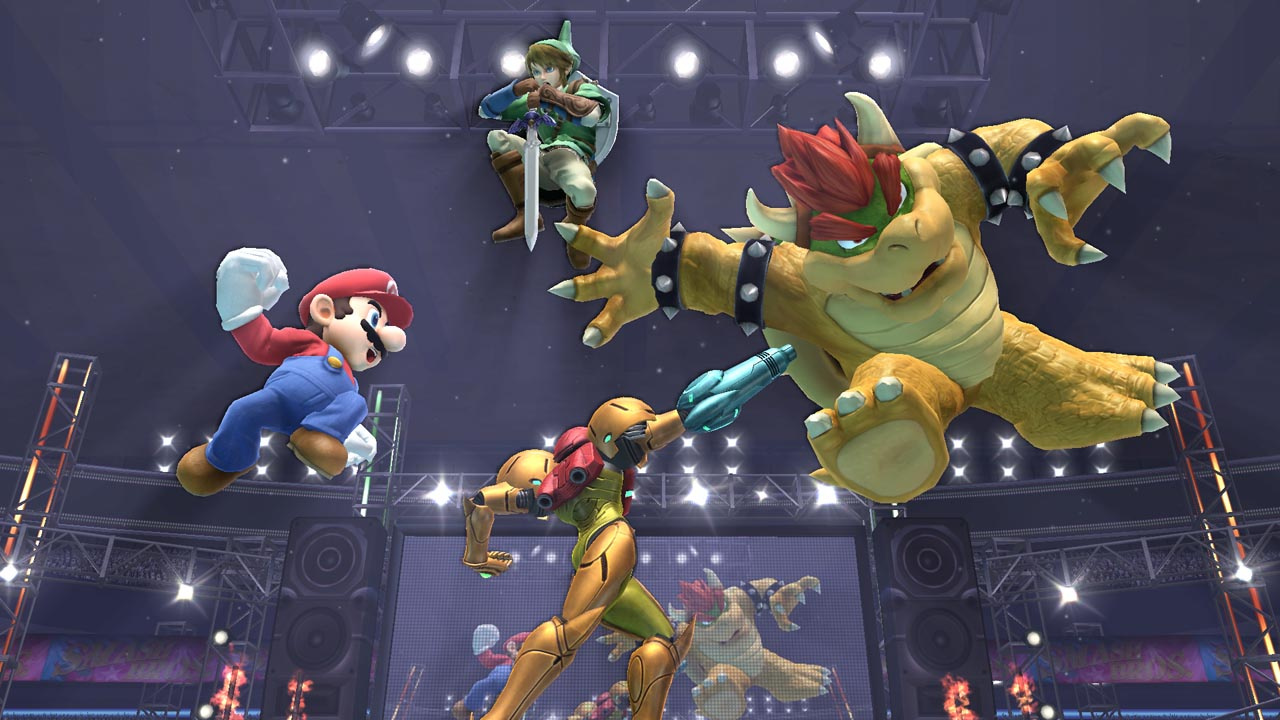
The presentation gives the whole release a remarkable sense of care. The characters are expressive, the stages carry recognizable details from their worlds and the music makes looking through the selection enjoyable on its own. I love how the game can celebrate many different visual styles while keeping the fighters readable enough for the action. The trophies and other archive material also give the crossover a broader identity than a menu of names would provide. My reservation is that the solo structure does not always bring those worlds together as compellingly as the ordinary match does. There is plenty to collect and pursue, but not every activity makes the package feel like a larger connected journey. I do not need that journey to recommend the game, because the fighting already provides the important value. It is simply the clearest place where I can imagine the release being stronger without changing the qualities that make the main experience so enjoyable.
I finish with a very strong recommendation. The movement, knockback and recovery decisions make matches rewarding, the roster gives those decisions variety and the presentation celebrates its worlds without distracting from the quality of the fighting. The broad rule options help the game accommodate different kinds of play, while the better extra modes provide enjoyable reasons to keep exploring. Nine out of ten recognizes that excellent foundation alongside a few less persuasive additions. Smash Tour and some of the solo material do not reach the same standard as the battles themselves, but I do not have to excuse the central game to enjoy its characters. The opposite is true: the fighting makes the characters more interesting to learn. For me, that is the reason this Wii U release works so well. It is generous and spectacular, with enough substance in an ordinary match that the celebration stays enjoyable long after the novelty of the crossover fades.
Final thoughts
The Wii U Smash has excellent movement and combat, a varied roster and a wonderfully characterful presentation. Flexible rules and strong extra challenges give it plenty of range, while Smash Tour and the broader solo structure are less convincing. The ordinary fighting remains superb. 9/10.
Final score: 9/10.
Reviewed on Nintendo Wii U. No review copy was provided.
 Super Smash Bros. for Nintendo 3DS Review
 Super Smash Bros. Ultimate Review
 Super Smash Bros. Brawl Review