A wonderfully generous crossover whose fighting is less sharp than the package around it
Super Smash Bros. Brawl is a game I enjoy for much more than the novelty of seeing recognizable characters together. The fighting has a clear, playful appeal, the stages make the worlds feel involved and the amount of music, extra material and solo content gives the Wii package an extraordinary sense of generosity. I like being able to approach it in several different moods without feeling that only one of them is the real game. My reservation is the feel of the fighting itself. The slower movement and random tripping can make a precise exchange less satisfying than I want, even while the surrounding chaos remains entertaining. Eight out of ten is my score. This is a very good crossover with a memorable identity and a huge amount to enjoy, but its sheer quantity does not stop those mechanical reservations from mattering when the next fight is the main thing on the screen.
The basic fighting idea remains excellent. Damage makes a character easier to launch rather than simply draining a health bar toward zero, so positioning and recovery matter alongside the attack that connects. I like that a fight can stay interesting even when one character has taken much more damage. The edge of the stage creates another kind of danger, and the way a character returns can be as important as the move that sent them away. The controls also make the basic actions easy to recognize without making every fighter identical. A direction and a button can produce a useful attack quickly, while learning spacing and timing gives the system room to grow. Brawl is appealing because it can be understood at that immediate level and still reward closer attention. I enjoy that flexibility, even though the particular movement choices in this entry stop it from being my ideal version of the fighting itself.
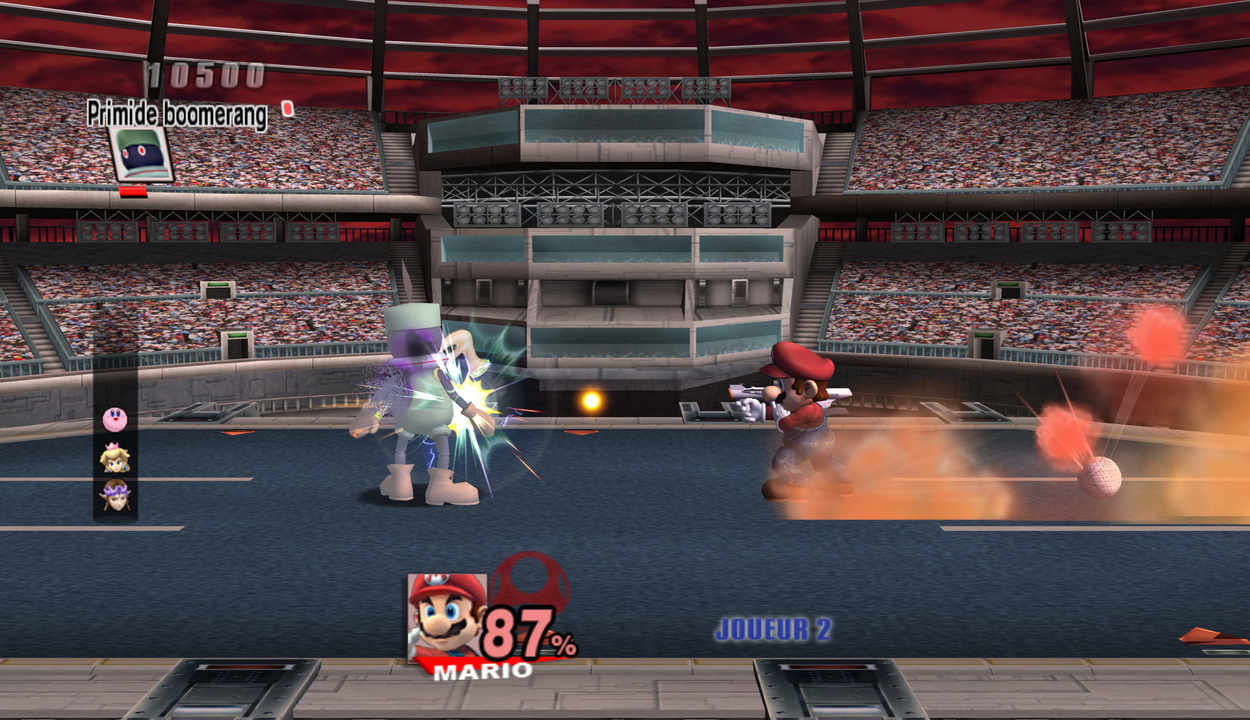
The roster is a large part of that flexibility. Different movement, attacks and recoveries give the characters practical identities rather than making them a gallery of familiar appearances. I like having a reason to try someone because of what they can do, not only because their original game is a favorite. Sonic and Snake make the crossover feel broader, but the package is not dependent on those guests to justify itself. The established Nintendo cast already provides a wide range of ways to approach a stage. The Final Smashes make that character identity more theatrical. Breaking the Smash Ball creates a new point of attention, and the resulting attack can change the immediate contest dramatically. I enjoy the spectacle when the mood is a chaotic match. I am less interested in pretending every dramatic interruption improves precision. The game's strength is giving those different kinds of contest room to exist, even when I prefer one set of rules over another.
The stages and items give a match much of its personality. A moving environment or an object that changes the next exchange can make the arena feel involved instead of serving as a neutral floor. I like that sense of place when the goal is a lively crossover fight. The references are useful because the stage can carry the character of another game through its layout and hazards, rather than only placing a picture behind the action. The limitation is how much the extra disruption can dominate a particular result. That is not automatically a flaw in a party-focused contest, but it does change the kind of satisfaction the fight provides. I enjoy Brawl more when the rules are chosen deliberately for the mood rather than treating every item and hazard as equally desirable at all times. The range of options helps make that possible, allowing the same core game to support a more controlled match or a much messier one.
The slower feel is the qualification I notice most even when the rules are simplified. Movement can feel less sharp than I want when a quick adjustment should be the satisfying part of an exchange. Random tripping is particularly unappealing because it introduces a disruption that does not come from a useful decision by either player. I like the fighting enough that these choices are frustrating precisely because the foundation is so good. A more deliberate pace can make a game accessible without needing an arbitrary interruption to make it unpredictable. I do not think those mechanics make the whole package bad, and I still enjoy plenty of its matches. They do keep the score below the level suggested by the strength of the roster and archive. The actual feel of moving and responding matters more than a count of characters, and the weaker choices remain present even after the excitement of choosing a favorite has settled.
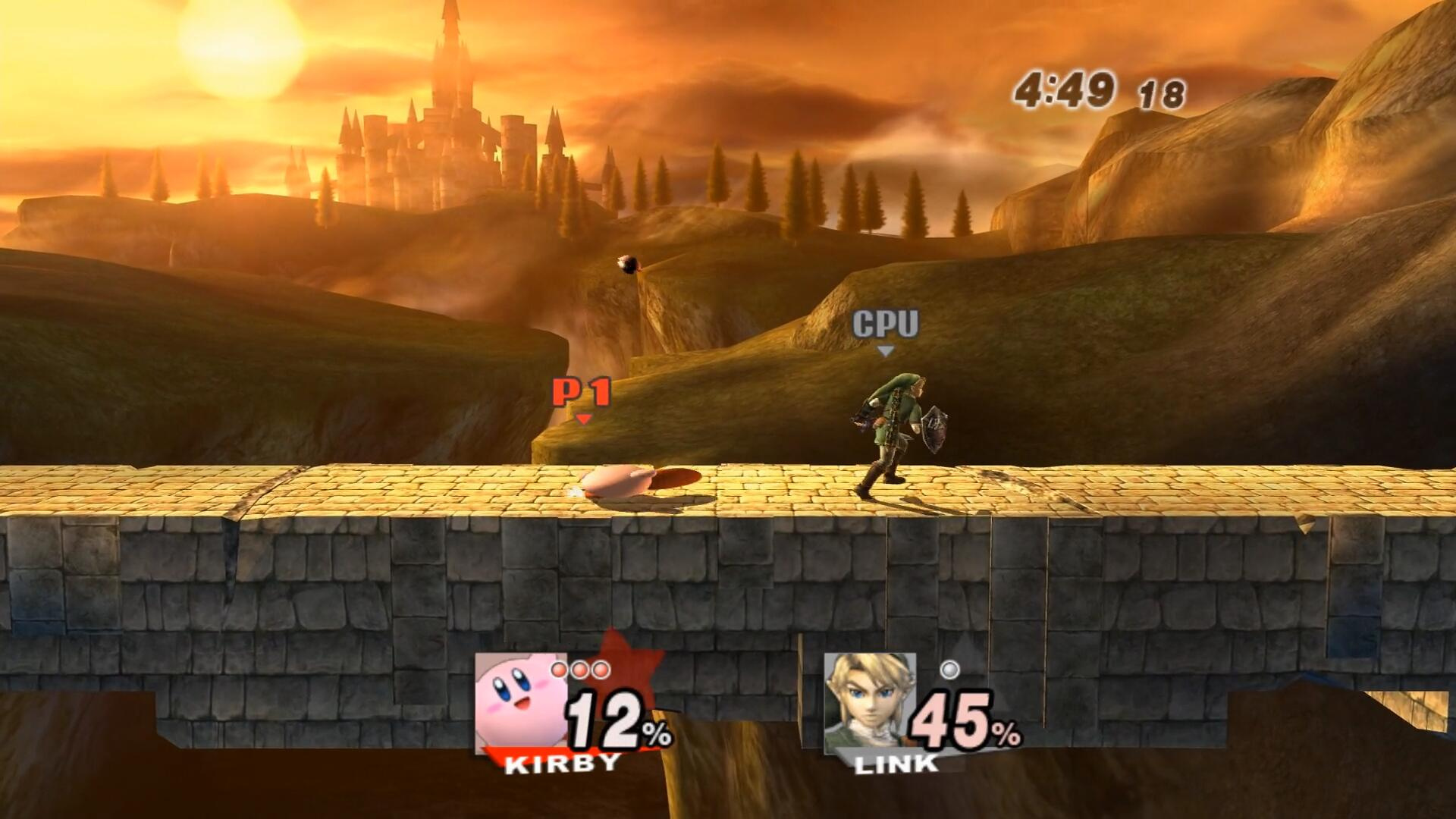
The Subspace Emissary gives the solo side a memorable place in the package. I enjoy seeing the characters share an adventure with its own sequences and team-ups, rather than having the single-player content consist entirely of a standard ladder. The side-scrolling stages are not as consistently strong as the crossover presentation around them, but the idea gives the cast another use and makes the package feel generous in a meaningful way. The music collection is an even clearer highlight. The range of themes and arrangements makes exploring the menus and stages enjoyable beyond the immediate fight, while trophies and other extras provide more context for the worlds involved. I like that the game treats the crossover as something worth celebrating throughout its presentation. The archive is not a replacement for good fighting, but here it supports a game that already has plenty worth playing, which makes the additional care feel substantial rather than decorative.
I rate Brawl eight out of ten because the complete Wii package is much more appealing than its mechanical reservations alone would suggest. The roster, stage variety, music and solo adventure give it several strong identities at once. I enjoy its accessible fighting and the flexibility to make a match more controlled or more chaotic. The slower movement and random tripping stop the ordinary exchange from feeling as precise as I want, while some solo stages are less enjoyable than their presentation. Those are clear limitations rather than reasons to dismiss the whole game. I come back to Brawl for the breadth of what it offers and the pleasure of seeing those worlds used thoughtfully together. I simply do not want that affection to hide the parts of the interaction I find weaker. It is an excellent celebration and a very enjoyable game, with a version of Smash's fighting that leaves me wanting a sharper foundation underneath the spectacle.
Final thoughts
Brawl is a generous, memorable crossover with a great roster, superb music and worthwhile solo content. I enjoy its fights, but the slower movement and random tripping weaken the precision. The complete package is excellent in many ways without being my ideal version of Smash's core interaction. 8/10.
Final score: 8/10.
Reviewed on Nintendo Wii. No review copy was provided.
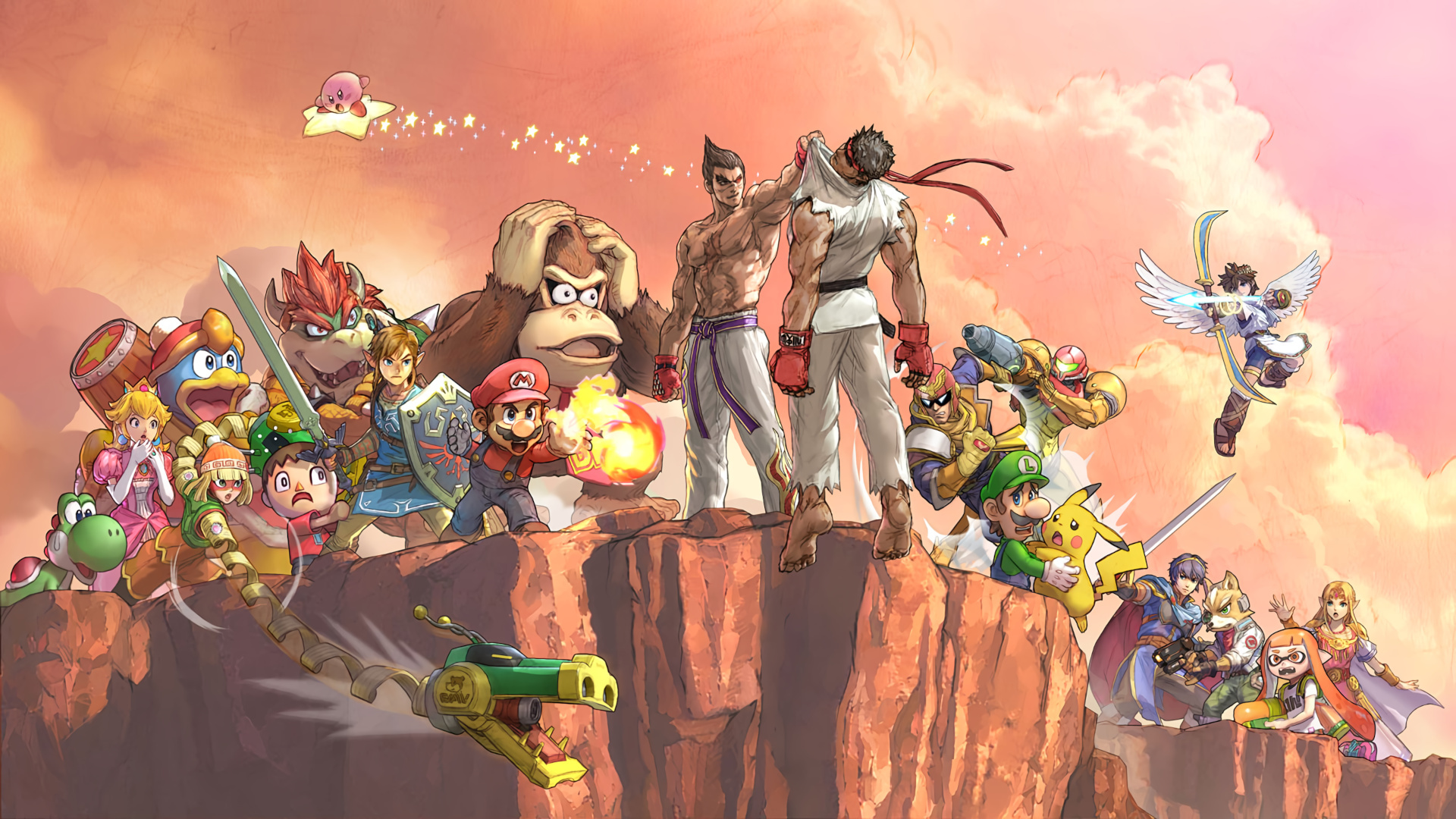 Super Smash Bros. Ultimate Review
 Super Smash Bros. for Nintendo 3DS Review
 Super Smash Bros. for Wii U Review