The partner system is inventive, but the adventure keeps interrupting its own best ideas
Sonic Advance 3 gives its cast a genuinely interesting way to work together. Choosing a leader and a partner changes what can be done in a stage, and I enjoy the possibilities much more than a simple extra character following behind. The problem is how unevenly the rest of the game supports that system. Some routes make a combination feel clever and useful. Other stretches interrupt the movement with awkward hazards, detours or a search that is much less enjoyable than the main platforming. I finish with a mixed but positive opinion rather than enthusiasm for the complete package. Six and a half is my score. There is a good Sonic game in the character combinations and several of the stages, but the pacing and optional requirements keep making it harder to enjoy those strengths consistently. I like what the game allows me to experiment with. I am less convinced by how it organizes the adventure around those experiments.
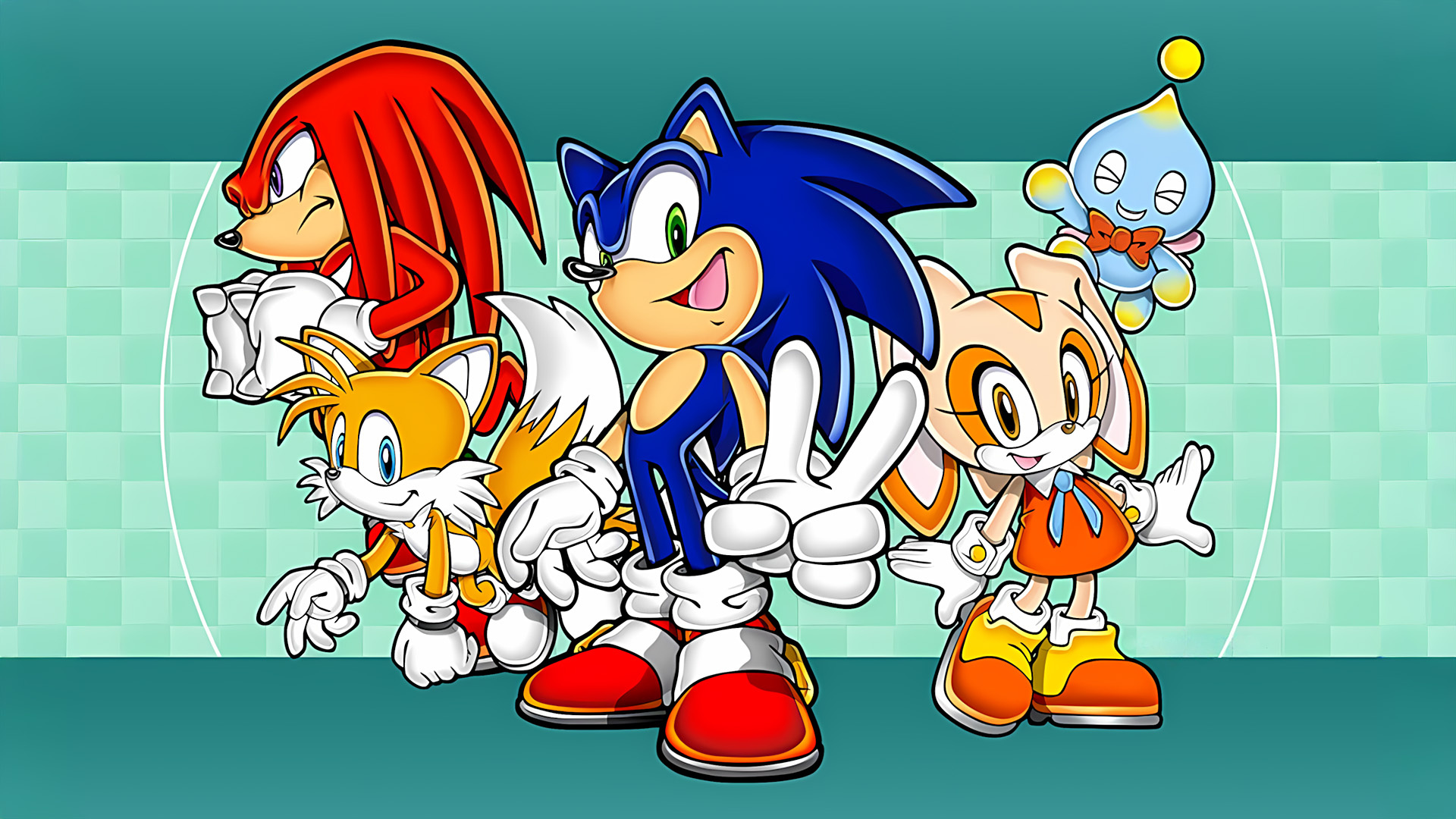
The partner choice is the strongest reason to try another approach. Tails can help a leader reach higher places, Knuckles provides a different kind of power and aerial movement, and Amy's hammer creates another way to launch a character. Those are useful differences because they affect the interaction with the stage. I like seeing a route as something a team might handle differently, rather than treating the second character as another face on the screen. The combinations also mean that familiar abilities do not always sit in exactly the same place as before. That makes selecting a team an enjoyable decision. My reservation is that the game does not always make the value of a particular pairing feel natural through the level itself. Sometimes the system is more appealing as a set of possibilities than the next section is as a place to use them. I enjoy discovering the combinations, while wishing the stages made their strengths feel more consistently welcome.
The tag actions add a practical rhythm to that choice. Holding and releasing the partner is a separate action with a purpose, allowing a burst of speed, a lift or another ability to become part of the route. I like the way this asks for a small moment of preparation rather than making every useful ability automatic. It can make a familiar platforming space feel different without requiring a completely separate control scheme for each team. The limitation is how easily that preparation can become another interruption when the route is not communicating its demand clearly. I want to choose the action because the opportunity is inviting, not because the next stretch seems to be waiting for one more adjustment before the movement can resume. The team idea works best when it adds to the flow. When it becomes something that has to be arranged around a fussy section, I feel the gap between the clever system and the less comfortable stage design.
The zone maps are a major source of that uneven pace. They connect the acts and provide small spaces where abilities can be tried, which is a reasonable purpose for a hub. I like having a place to experiment outside the pressure of a normal stage. In practice, I do not find the connecting trips consistently interesting enough to justify their frequency. The movement between acts can feel like an extra step before reaching the platforming I actually want to play. The larger three-act zones already give each setting room to develop, so the hubs are not the only thing making the game feel substantial. I would have preferred a clearer, quicker connection between the useful parts of that structure. The maps are not without purpose, but having a purpose does not make every visit enjoyable. Too often the design adds a layer of navigation when a more direct transition would have kept the adventure moving with less friction.
The stages themselves have an appealing mix of speed and more careful platforming, but the balance is inconsistent. I enjoy a route that gives the team room to gain momentum, then asks for an ability that changes how the next section is crossed. Those moments show why the game does not need to copy the pace of Advance 2 exactly. The weaker moments come from hazards and moving obstacles that make the action feel less generous or clear than the controls deserve. A demanding jump can be enjoyable when the danger is readable. I find the game less convincing when a section's main effect is to stop the movement abruptly. The team system gives me more ways to approach the environment, yet it cannot make every arrangement of that environment good. That is why my opinion stays mixed. I see enough worthwhile platforming to enjoy the adventure, but also enough interruptions to keep its strongest idea from carrying the whole experience comfortably.
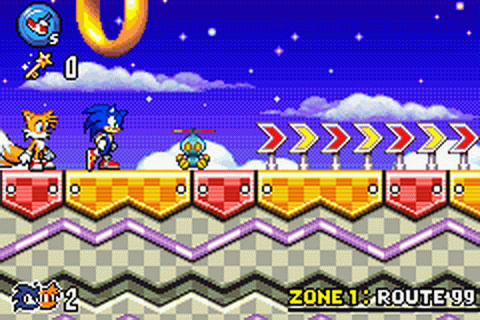
The Chao search makes the optional Emerald route another large commitment. Finding the hidden Chao in a zone eventually opens the way to obtaining a key and attempting its special stage, so the process involves several steps beyond simply finishing an act. I like having a reason to inspect an alternate route, especially in a game with so many useful team abilities. I do not enjoy the full collecting structure nearly as much. It can turn a lively stage into a slow inspection, with the next reward held behind finding what remains rather than improving the actual run. The medals and time-focused goals suit my interests more naturally. They give an enjoyable act a reason to be played better instead of asking for every corner to be checked before the next optional challenge becomes available. The game has plenty to do, but the amount of effort attached to the extra material is not always matched by the pleasure of carrying it out.
Advance 3 remains worth a look because the teams make a real difference. I enjoy selecting combinations, finding a useful tag action and seeing a stage open up through an ability that was not available with another pairing. The colorful handheld presentation helps, and several routes provide the satisfying movement I want from Sonic. The zone maps, abrupt hazards and lengthy collecting process keep the complete adventure from feeling equally strong. Six and a half out of ten recognizes a game with useful ideas and enjoyable sections, rather than a game whose every addition improves the experience. I would rather have a more direct journey that made the partner system shine consistently than this larger structure with so much friction around it. The combinations are good enough to make the weaknesses disappointing. They are also good enough that I still find value in the game, even while wishing the surrounding design trusted them to carry a smoother adventure.
Final thoughts
Advance 3's partner abilities are worth experimenting with and can make familiar platforming feel fresh. Uneven stage demands, repetitive hub travel and an elaborate Emerald hunt keep disturbing that appeal. I like the combinations much more consistently than the adventure built around them. 6.5/10.
Final score: 6.5/10.
Reviewed on Game Boy Advance. No review copy was provided.
 Sonic Dash 2 Sonic Boom Review
 Sonic Advance 2 Review
 Sonic Advance Review