An entertaining squad-building scramble whose best decisions are inside the match
Squad Busters is enjoyable because it turns building a team into something that happens while the competition is already moving. Collecting resources, choosing another recruit and deciding whether to confront a nearby squad can all be part of the same short sequence. I like that sense of a plan developing under pressure instead of being completed entirely before the match begins. The cheerful cast helps make the activity easy to approach, while the different roles give the choices some substance. Seven out of ten is my score. The loop is entertaining, but the familiar opening work and the longer progression around it can become repetitive. I recommend the decisions inside a match more strongly than every reward system attached to them. The game is most appealing when collecting and fighting create a genuine choice about risk, and less appealing when another encounter feels like another pass through a routine that has already supplied most of its interest.
Growing a squad creates a useful connection between resources and immediate capability. A coin is not only a number accumulated for a distant menu; it can help open a chest and add another character to the group currently moving through the map. I like that the consequence of gathering is visible within the same match. The next recruit changes what the squad is prepared to do, and the available choices mean the plan has to adapt instead of simply follow an ideal list. A stronger fighting unit may be attractive, while another kind of role can make gathering or survival more comfortable. The interesting part is judging what the current group needs. The game has enough variety in its characters to make that question worthwhile, even though the choices do not all produce equally dramatic changes. I enjoy the feeling that the squad is becoming something through the decisions made on the map rather than only through preparation outside it.

The risk around other players is what gives those decisions their pressure. Continuing to gather can improve the group, but it also means remaining in a shared space where another squad may see an opportunity. I like having to decide whether the current advantage is worth using in a fight or whether preserving the team is more valuable. That is a more interesting question than treating every opponent as a target that should always be attacked. Position and the surrounding activity can change the answer. A battle can offer a useful reward while also leaving the squad exposed to someone else arriving afterward. The limitation is that the result can feel abrupt when the difference between groups has already become large. I enjoy reading the risk, but I am less enthusiastic when the sensible response is simply to avoid a stronger squad until another opportunity appears. The game is strongest when several choices remain plausible, not when one side of the encounter makes the decision for me.
The simplified fighting keeps movement and team composition at the center. I appreciate that the game does not require a separate control scheme for every character in the growing group. That makes the squad understandable as one unit while still allowing the different members to contribute their own function. The tradeoff is that some encounters feel more dependent on what has been assembled than on a particularly satisfying action during the fight. I want the movement and timing of an approach to remain meaningful, because those are the direct decisions still available once the groups meet. Squad Busters provides enough of that interaction to be enjoyable, but not enough for every battle to feel equally engaging. The best situations make the existing team, the available space and the choice to commit all matter together. The weaker ones feel more like checking which group has reached the stronger state before the encounter begins. The accessible control is useful, while its limits are still noticeable.
Fusion gives repeated recruits another purpose beyond simply making the crowd larger. Strengthening a familiar unit can be a more useful choice than spreading the squad across too many separate roles, depending on what the situation offers. I like that the same character appearing again can be an opportunity rather than automatically a disappointing duplicate. It gives the chest decision another layer without needing an elaborate interface in the middle of the action. The limitation is how often the surrounding match returns to familiar resource gathering before those choices become interesting. I enjoy the process of shaping a group, but the opening sequence can lose some of its energy once its basic pattern is well understood. A short match still needs enough variety inside its repeated start to feel fresh. The changing options help, though they do not completely remove the sense that another attempt is asking for a familiar amount of setup before the most worthwhile risks arrive.
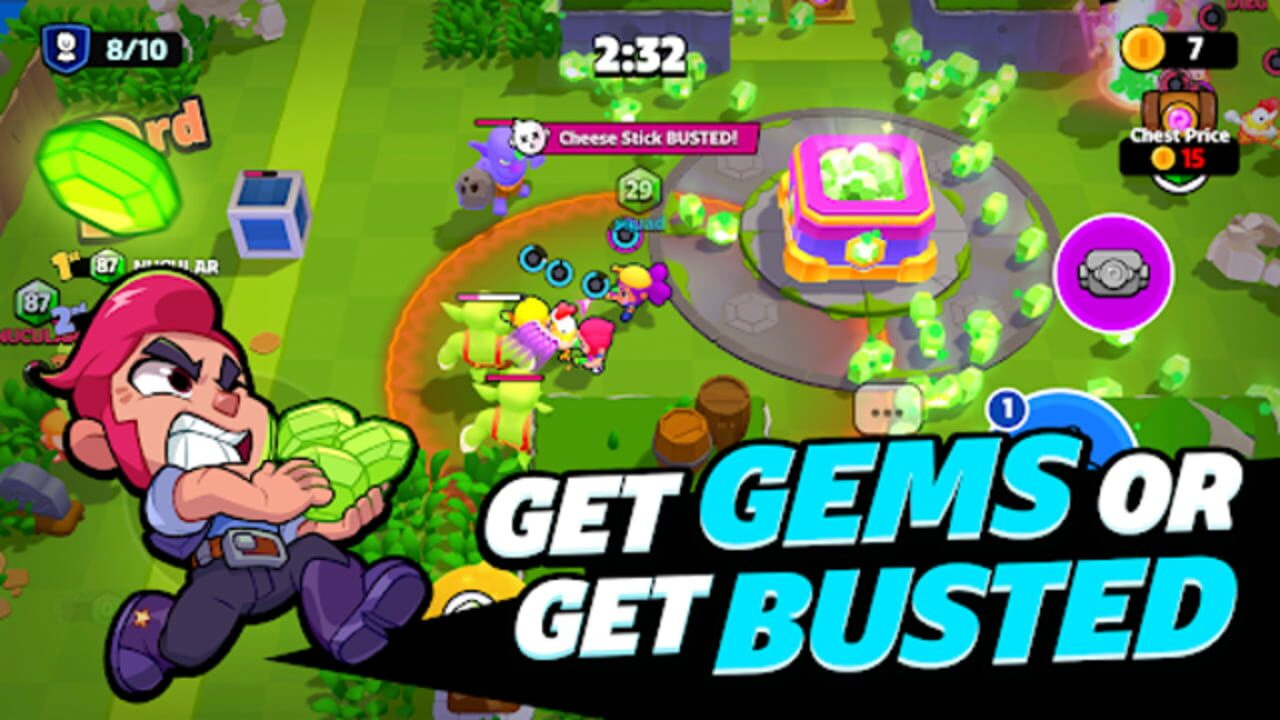
The cast and bright presentation make the whole thing inviting. Familiar Supercell characters have clear shapes and personalities, and I like that the game gives them practical roles instead of relying solely on recognition. The colorful environments and readable rewards suit the quick competition. The progression outside the match is much less consistently appealing to me. Collecting and developing characters gives a reason to return, but it can also turn an enjoyable contest into another task carried out for the next improvement. I want the match itself to remain the reason I choose to play. The rewards are useful when they support that desire, and less useful when they become the main source of direction. More activities do not automatically improve the core, especially if they keep asking for versions of the same repeated work. The package has personality and enough substance to matter, while its longer-term routine exposes the limits of the short-session appeal.
I finish Squad Busters with a positive recommendation at seven. Building a team during the match is a good idea, and the choice between gathering and confronting another squad creates worthwhile pressure. The characters have useful roles, the presentation is cheerful and the growing group gives progress an immediate visible result. Familiar opening tasks, uneven encounters and the surrounding development routine keep the complete package from being more consistently compelling. I like the game most when a new recruit changes what the next risk should be, making composition and movement part of one developing plan. I like it less when the match is mainly another way to maintain progress outside it. The result is an entertaining mobile action game with a strong central hook and a repetition that becomes more noticeable once the initial excitement of building the squad has settled into a familiar pattern.
Final thoughts
Building the squad during a match creates enjoyable decisions about recruits, resources and risk. The accessible combat and cheerful cast support that idea, while familiar openings and repetitive long-term progression qualify the recommendation. I enjoy the match choices more than every system around them. 7/10.
Final score: 7/10.
Reviewed on iOS using iPhone 13 Pro Max. No review copy was provided.
 Onimusha: Way of the Sword Review
 Disney Speedstorm Review
 Zap Blastum Review