
A slower Sonic adventure with a rewarding reason to explore
Sonic the Hedgehog for the Sega Master System is a game that feels like a step back in time, but not in the way I expected. It’s not that the game feels outdated, it feels like a deliberate, simpler version of the classic Sonic experience. The core idea of running, jumping and collecting rings is all there, but the execution feels a bit more cautious. I like that the game rewards exploration, and I’m happy to see hidden Chaos Emeralds tucked away in the regular acts. That’s a nice touch. It makes me feel like I’m uncovering something special, with collecting all six giving the exploration a goal beyond reaching the final act. Still, the sense of discovery is there, and that’s something I appreciate. The game doesn’t rely on speed as much as the Genesis version, and I think that’s a choice that gives it a different kind of appeal. It’s not about being the fastest, it’s about knowing where to go, what to look for and how to avoid the pitfalls. That’s a solid approach, even if it doesn’t feel as adrenaline-fueled as I’ve come to expect from Sonic.
The deliberate jumps are what stand out most for me. I’m used to Sonic being able to dash across the screen with ease, but here, every jump feels like a calculated move. I have to be careful with where I land, how high I go and whether I can reach the next platform without falling into a pit or getting hit. It’s not as fast-paced as I might have preferred, but the slower pace gives me a chance to think through each section. I like that the game emphasizes precision over speed, even if it makes the experience feel a bit more methodical. I found myself paying closer attention to the layout of each level, and that’s a good thing. I felt like I was learning the environment in a way that made the adventure feel more personal. It’s not about just getting through as fast as possible, it’s about understanding the space and how to move through it. That’s a small but meaningful shift in how I play, and I think it makes the game feel more like a puzzle than a race.
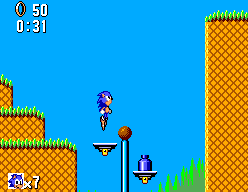
The zones are varied and well-designed, but I noticed that the emphasis on loops is much reduced compared to the Genesis version. I missed the verticality that made some of the original levels feel so dynamic, but I can see how this change would make the game more accessible. I appreciated that the levels don’t require me to loop around in the air as much. It’s a more straightforward approach, and I think that’s a good thing. The game doesn’t rely on complicated jumps or tricky placements, which makes it more forgiving for someone who might not be as familiar with the platforming mechanics. The levels feel more like they’re meant to be explored rather than rushed through. I found myself taking my time to look for hidden paths and secret areas, which is exactly what I wanted. It’s a slower, more deliberate kind of adventure, and I think that’s a positive thing for this version of the game.
Searching for the Chaos Emeralds gives that exploration a clear purpose. They are hidden in the normal stages, which changes how I think about reaching the end of an act. The exit is still important, but it is not the only thing worth finding along the way. I like that the extra objective is part of the same spaces used for the main platforming. It makes a familiar route worth looking at more carefully, rather than sending every reward into a separate challenge. Collecting all six leads to the better ending, so paying attention has a consequence beyond adding another number to a results screen. I enjoy that relationship between the small details of a stage and the larger goal of the adventure. It gives the slower pace a reason to exist. Some players will prefer a more direct rush through the zones; I find the search a worthwhile part of what makes this version feel distinct.
Robotnik encounters change the pressure because the boss acts do not provide rings as a safety net. That is an important difference from moving through a normal stage, where rings offer protection. I like how clearly it makes attention matter. Reading the attack pattern and choosing an opening become more important when a careless hit cannot simply be followed by collecting scattered rings again. The fights keep the actions understandable, but that does not make them meaningless. For me, a straightforward pattern can still be satisfying when the timing asks for concentration. I do not need every encounter to introduce a complicated new rule. I want the familiar jump and movement to remain useful under a different kind of pressure. These battles provide that change of emphasis, and their separation from the main platforming gives the journey a useful break in rhythm. They work as focused tests of the basic controls instead of requiring an unrelated combat system.
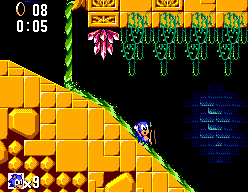
The presentation is simple but effective. The graphics are clear and colorful, and the sound effects are just enough to keep the game feeling lively. I didn’t find the music to be as memorable as I’ve heard in other Sonic games, but it’s not bad. It’s more about the gameplay than the audio, and I think that’s a fair trade-off. The game doesn’t have the same level of detail as the Genesis version, but it doesn’t need to. It’s a more straightforward adventure, and the simplicity of the visuals fits with that. I appreciated that the game didn’t try to be too flashy or too complicated. It’s just a solid, fun platformer that gets the job done without overcomplicating things.
Overall, I think Sonic the Hedgehog for the Master System is a solid game that captures the spirit of the original but in a more measured way. It’s not as fast-paced or as technically demanding as the Genesis version, but that’s not a bad thing. The slower pace and emphasis on exploration make it feel more like a deliberate adventure than a high-speed race. I appreciated the hidden Chaos Emeralds and the way the game rewards careful play. I didn’t mind the lack of a map or the reduced emphasis on loops, I think those changes make the game more accessible without losing its charm. I found the boss battles to be a nice balance of challenge and strategy, and the overall experience was enjoyable. It’s not the most technically advanced Sonic game, but it’s a fun, well-designed adventure that still holds up today.
Final thoughts
Sonic the Hedgehog on the Master System is a charming, deliberate platformer that rewards exploration and careful play. The hidden Chaos Emeralds and slower pacing give it a unique feel, even if it lacks the speed and complexity of the Genesis version. It’s a solid, enjoyable adventure that captures the essence of Sonic without overcomplicating things.
Final score: 8/10.
Reviewed on Sega Master System. No review copy was provided.
 The Murder of Sonic the Hedgehog Review
 Sonic the Hedgehog Spinball [8-bit] Review
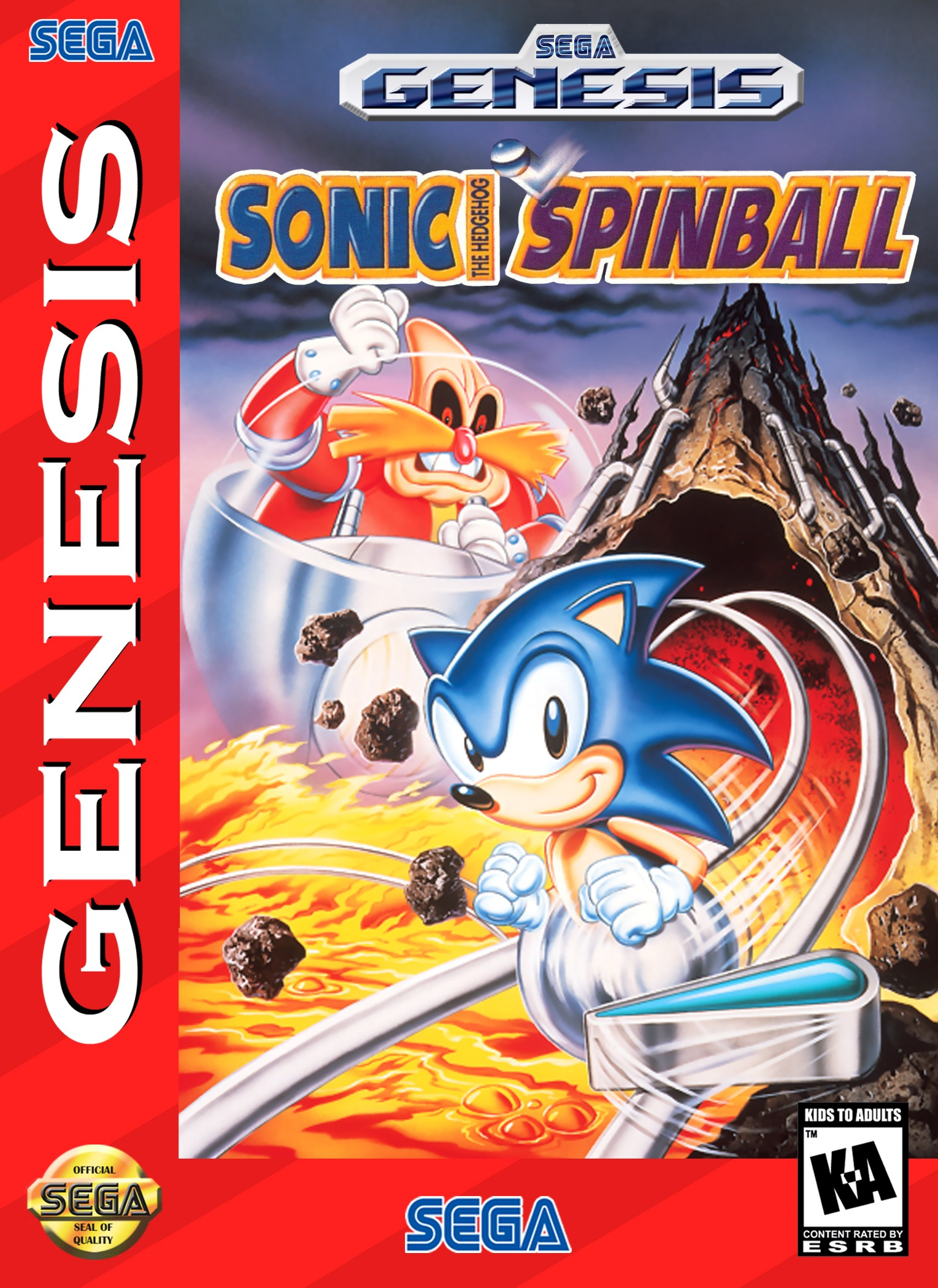 Sonic the Hedgehog Spinball 16-bit Review