A short, lively return to side-scrolling Sonic that I enjoy on its own terms
Sonic the Hedgehog 4 Episode I gives me a very enjoyable version of a simple promise: take Sonic back into a focused side-scrolling adventure with colorful zones, familiar kinds of obstacles and a direct reason to keep moving. I love the compact structure and the way the homing attack gives the route another action to build around. It does not move exactly like the Genesis games, and I do not need to pretend that difference is absent to enjoy what is here. Nine out of ten is my score for the PC release. The familiar themes and brief scale keep it from being the most expansive or surprising Sonic adventure, but the ordinary play is appealing enough that those limits do not dominate my opinion. I find it fun, accessible and easy to return to, with stages that give a modest release a clear identity instead of trying to make every new feature into a much larger system.
The homing attack is the most obvious way the game changes the familiar two-dimensional foundation. An enemy can become part of the next movement rather than simply an object to jump over or land on, giving a string of targets a useful shape within the route. I like having that additional action available without turning the whole stage into a complicated list of commands. It can keep the pace lively and connect sections that would otherwise need a different kind of platforming arrangement. The important part is how it is used within the stage rather than the fact that it is a move associated with later Sonic games. I enjoy Episode I on its own terms because the attack gives this version of the character a practical way to engage with the layout. The game is recognizably built from familiar ideas, but the next useful action does not have to be identical to the one an older release would ask for.
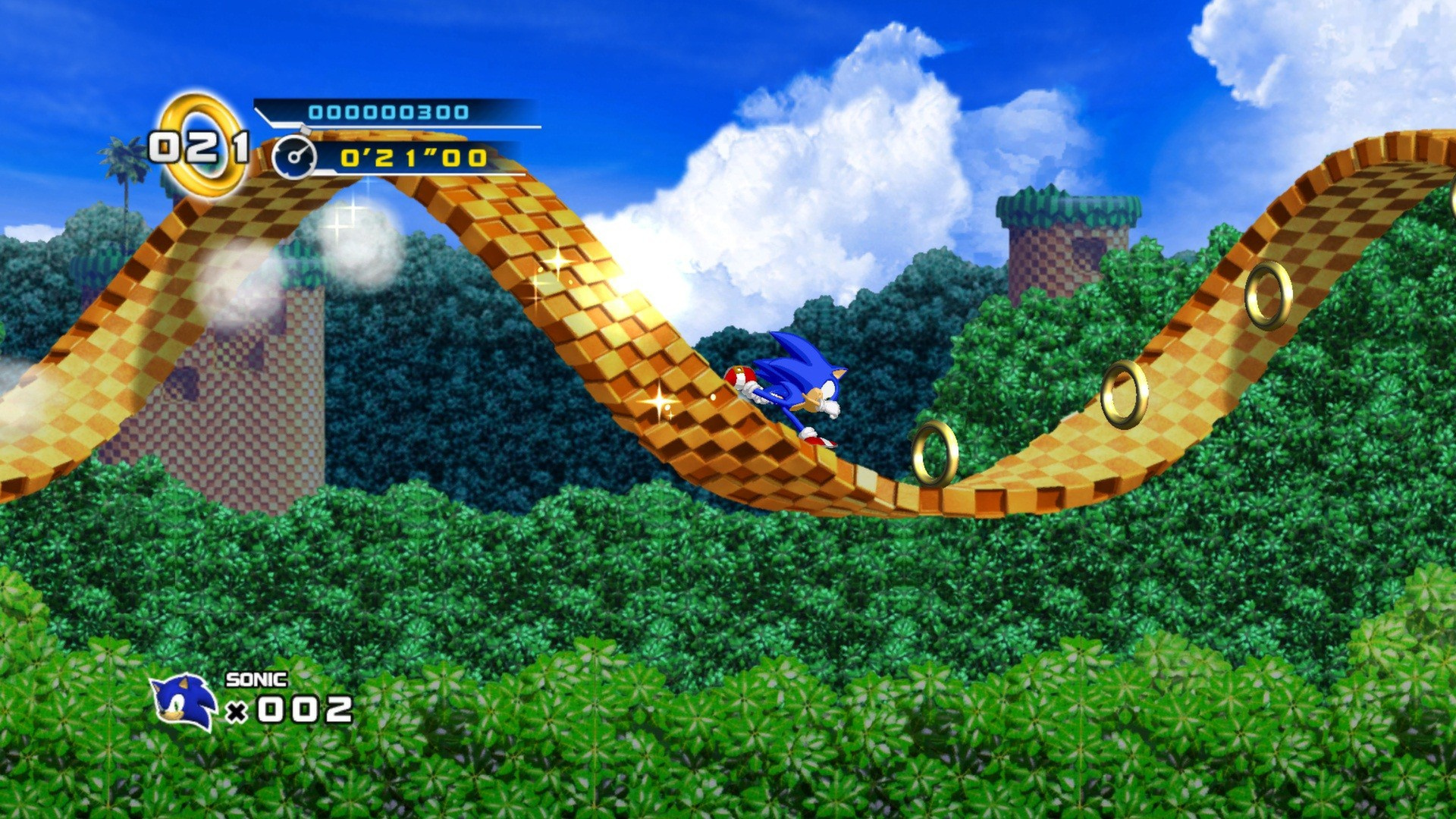
The movement has its own feel, which is worth acknowledging clearly. I can enjoy the game without describing it as a perfect reproduction of the Genesis physics, because that is not how it responds. A familiar-looking slope or jump can require a different expectation. For me, adapting to that feel does not prevent the stages from being entertaining. I like the immediacy of the platforming and the way a route can become more comfortable as its rhythm is understood. The difference is a qualification on the title's promise rather than the end of the recommendation. I would not tell someone who wants an exact continuation of the older movement that nothing has changed. I would tell them that the PC game offers its own enjoyable version of side-scrolling Sonic, and that my high score comes from liking that version rather than overlooking the fact that it has an identity distinct from the classics.
The four main zones give the episode a clear progression. Splash Hill is inviting, Casino Street changes the atmosphere, Lost Labyrinth brings a different kind of environment and Mad Gear pushes the journey toward a more mechanical setting. I love that a short game can still feel like it has traveled somewhere. The themes are familiar rather than radically new, which limits the surprise, but I find their return enjoyable because the stage arrangements provide something to do with them. A familiar visual idea is not automatically lazy if the resulting route is fun. The individual act gimmicks give the settings another way to vary the play, making a zone more than a color change around the same sequence. I enjoy moving between those demands without the adventure becoming bogged down in a long connecting structure. The episode stays focused on its next playable idea, which suits the scale of what it is offering.
The bosses also make the connection to the older games explicit. Eggman's returning ideas have changes that ask for another reading of a familiar kind of fight, and I like how that fits the episode's broader mood of revisiting rather than starting from an entirely unrelated premise. The encounters provide a clear endpoint to the zones and another kind of timing challenge beside the ordinary route. I do not think every boss needs to be a completely new machine for a short Sonic game to feel worthwhile. What matters is whether the fight is enjoyable enough to act as more than a reference. Episode I has enough of that appeal to keep the progression satisfying for me. The final sequence gives the journey a larger closing demand, while the optional Emerald pursuit supplies another goal beyond simply seeing the ordinary finish. The package remains compact, but it does not feel as though the basic structure has been left without a proper conclusion.
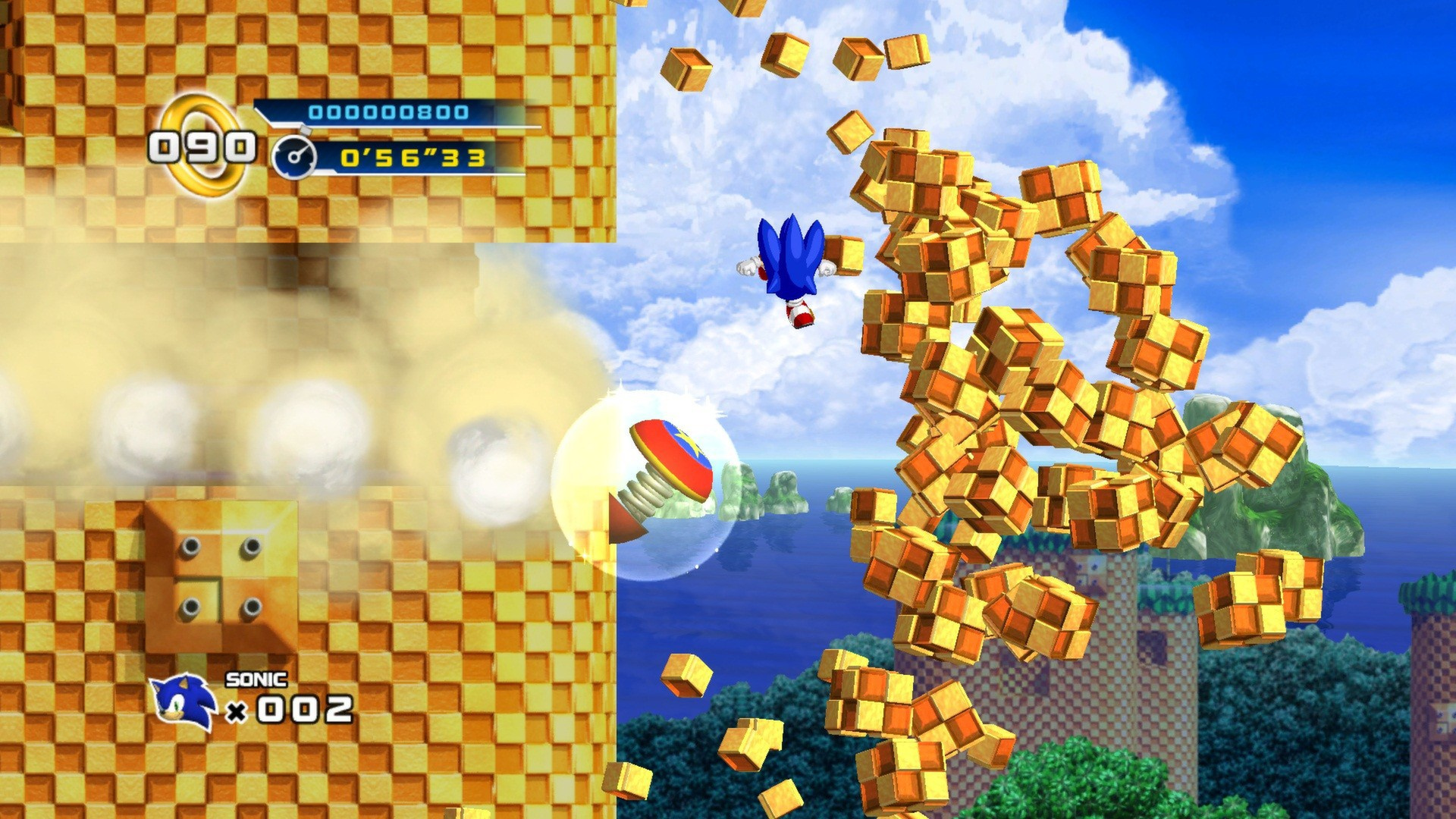
The special stages give collecting and preserving rings another purpose. Reaching an opportunity with the required ring total makes the ordinary act more demanding without changing its basic route, and I like that extra reason to handle a familiar section with care. The rotating challenge also provides a different kind of attention from the main platforming. It is a useful change of rhythm rather than an attempt to turn the small episode into several unrelated games. The colorful presentation supports that directness. I enjoy the bright environments and recognizable objects because they make the next action easy to understand and give the short adventure an inviting mood. The music and visual style are not trying to make this a realistic world, which suits the compact platforming. I would enjoy a larger amount of similarly focused material, but I do not find the brief format a reason to ignore how pleasant the actual stages are to return to.
I rate Episode I nine out of ten because I find its focused version of side-scrolling Sonic consistently enjoyable. The homing attack works well as part of the route, the zones provide clear variety and the compact structure makes another run inviting rather than demanding a long commitment. The movement differs from the Genesis games, the themes are familiar and the amount of content is modest. I acknowledge those boundaries without finding them strong enough to undo the pleasure of the game itself. The title may encourage a particular set of expectations, but my recommendation comes from the PC release I can actually play. It gives me a colorful, lively Sonic adventure with enough stage ideas and optional goals to make its small scale worthwhile. I love that straightforward sense of fun, and I would rather judge the enjoyable game in front of me than reject it for not duplicating every part of an older movement system exactly.
Final thoughts
Episode I is a compact, colorful side-scrolling Sonic that I find extremely enjoyable. The homing attack gives the routes another useful action, while the zones and optional stages make the small package worthwhile. Its movement differs from the classics and its themes are familiar, but the fun is clear. 9/10.
Final score: 9/10.
Reviewed on PC. No review copy was provided.
 The Murder of Sonic the Hedgehog Review
 Sonic the Hedgehog 4 Episode II Review
 SEGA AGES Sonic the Hedgehog 2 [Switch] Review