A brilliant sequel made even more inviting without losing what makes it special
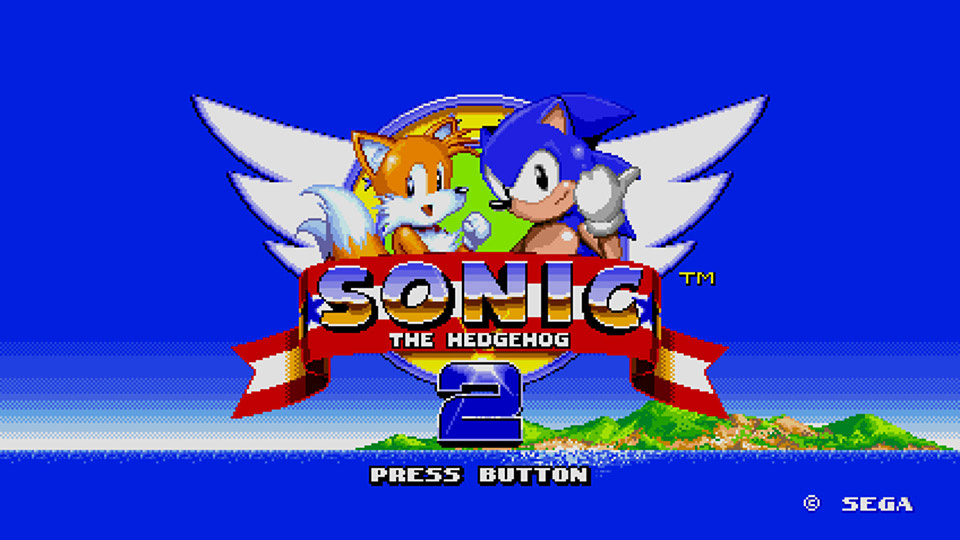
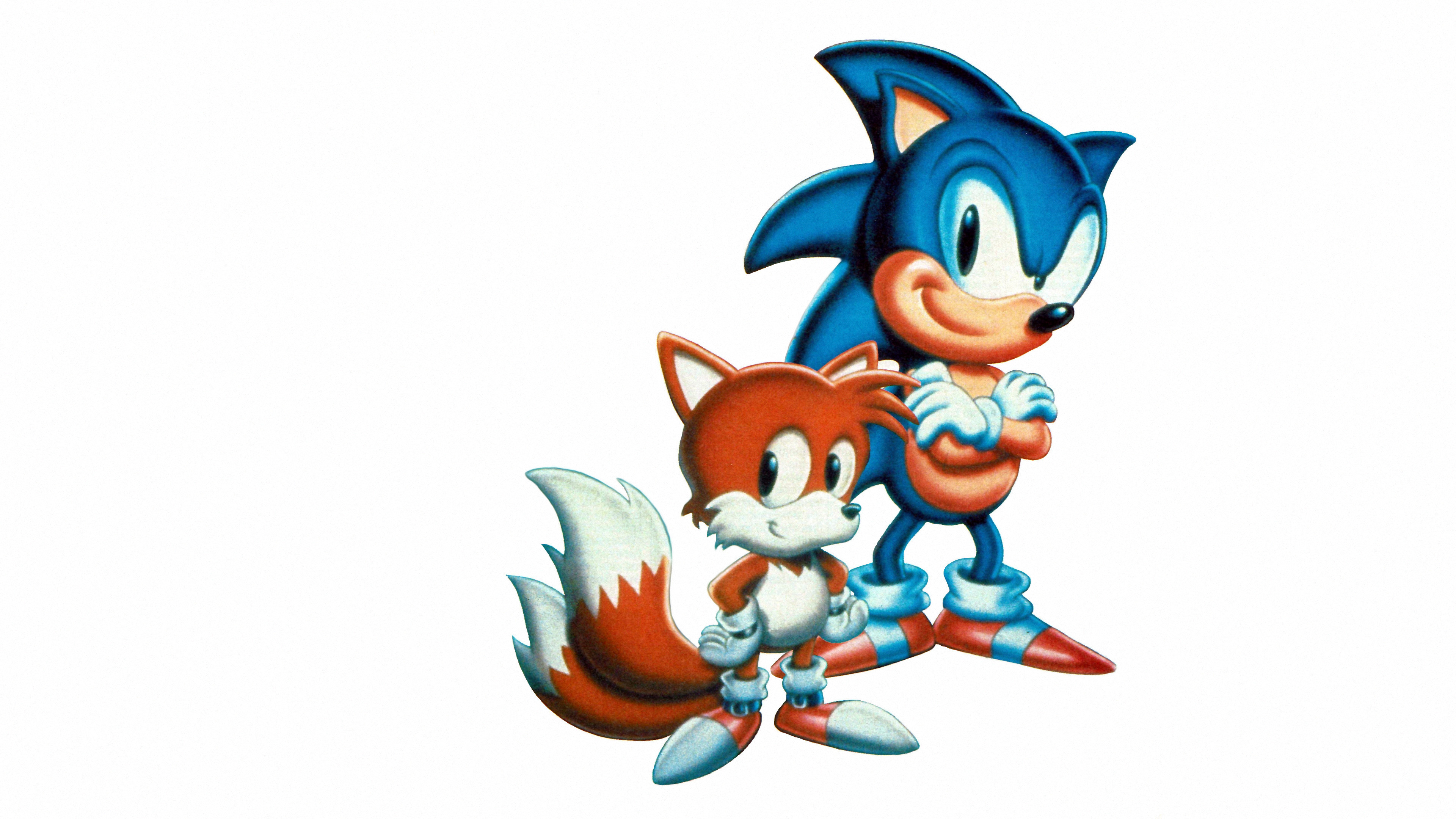
SEGA AGES Sonic the Hedgehog 2 is an excellent way to return to a game I already love. The important part is still the adventure itself: colorful stages, movement that rewards learning and a pace that knows when to let Sonic run and when to make a jump matter. What makes this Switch release especially appealing is the care around that foundation. The extra options give me more ways to approach the same game without trying to replace it with something unrecognizable. I like having Knuckles available, I enjoy the Drop Dash and I appreciate the practical help offered to someone who wants a less punishing route through the stages. Nine and a half is a very strong score, but the quality of the original and the usefulness of this particular release justify it for me. I find it easy to enjoy as both an accessible version of a classic and a reason to learn that classic more thoroughly.
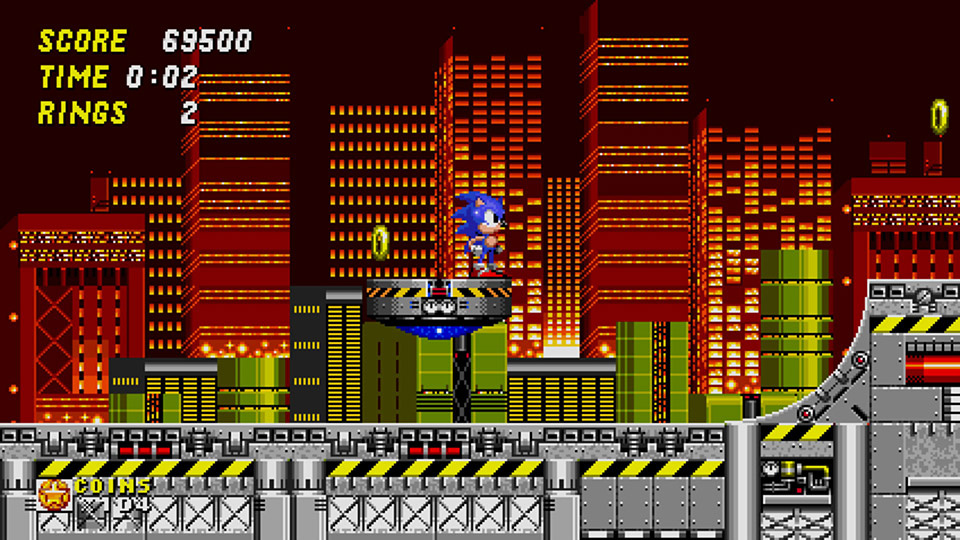
The stage design remains the biggest attraction. Sonic 2 understands how a level can be enjoyable before its fastest route is known, then become more satisfying as the turns, springs and hazards become familiar. I like the contrast between a first approach that requires attention and a cleaner run that makes the same scenery feel connected in a new way. The spin dash is central to that pleasure. It lets speed grow out of a deliberate action, and the slopes and ramps give that speed somewhere meaningful to go. The game is not equally forgiving everywhere, and some later challenges place much more pressure on a mistake than the early zones do. That difference keeps the journey from feeling completely effortless. It also gives the best routes a worthwhile sense of progression. The pleasure is not simply watching Sonic move quickly; it is understanding enough of the stage to make that movement feel increasingly natural.
The Drop Dash is a particularly good fit for that rhythm. Being able to come down from a jump with a charged burst makes it easier to connect an airborne action to the next stretch of running. I like an addition that works through the character's movement instead of interrupting the game with a separate system. It gives the same terrain another small possibility without requiring a new level to explain itself. I would not want every classic release to insist on a newer ability as the only way to play, so the preservation of different approaches matters. The original game already has a strong identity. The value of the extra action is that it gives me another way to enjoy that identity, rather than pretending that a familiar adventure is now an entirely different product. It is a modest addition in scale and a useful one in practice, which is exactly the sort of change I want from this kind of release.
Knuckles gives the stages a more substantial change of perspective. Gliding and climbing encourage me to look at a wall or an upper route differently, making familiar spaces worth investigating instead of only crossing as quickly as possible. I like that the inclusion preserves an important part of the game's extended history rather than treating the lock-on variation as a minor curiosity to leave behind. The abilities do not make every area equally comfortable, and they are not a substitute for the original character's approach. They provide a worthwhile alternative. That distinction is one of the strengths of the package: it lets the different ways of playing coexist. I can value a careful preservation of the main adventure while also enjoying what another character changes. The result feels more complete without needing a huge number of unrelated extras. The new reasons to return are connected directly to what is happening inside the stages, which makes them much more useful than another decorative menu.
Ring Keep is an addition I appreciate for a different reason. It softens the penalty around taking a hit, giving the game another point of entry without removing the more demanding original approach. I like having a practical choice about that pressure. A player who wants to learn the stages should not have to want exactly the same punishment from every mistake, and a familiar adventure can be worth revisiting in a more relaxed way. The optional assistance does not make the stage design meaningless. There are still jumps to judge, routes to learn and hazards to understand. It changes how severely an error interrupts the journey. That makes sense to me in a release trying to preserve a classic for different kinds of players. The important thing is that the choice remains visible rather than silently changing the whole game. Here the supporting options make the package more inviting while leaving the stronger original challenge available.
The Time Trial and ranking features give improvement another clear purpose. I enjoy a focused reason to return to a stage, especially in a game where learning the layout has such a visible effect on movement. The competition does not need to replace the satisfaction of an ordinary clear; it simply gives another kind of goal to someone who wants it. The presentation also keeps the game's colorful art and music at the center of the experience. I like how quickly those qualities establish the identity of a zone, then continue supporting it while the route becomes familiar. My reservations are mostly the remaining rough edges of the original adventure rather than a failure of this release's basic approach. The later pressure and the uneven difficulty of some sections still exist. I would not erase those qualifications, but they are small beside the amount of enjoyable platforming and the useful ways this version offers to approach it.
I finish this release thinking it gets the purpose of a classic reissue right. It keeps a wonderful game recognizable, adds options that affect actual play and gives experienced players worthwhile reasons to return. Sonic 2 already has enough variety and momentum to stand on its own, and the Switch package supports those strengths with choices that feel practical rather than inflated. Knuckles, the Drop Dash and the more forgiving ring setting each offer a different kind of benefit. The additional challenge features make sense because the stages are worth learning in the first place. Nine and a half out of ten reflects how strongly I recommend the result. It is not completely free of the original's sharper edges, and I would not pretend that every part of the journey is equally graceful. The overall experience is still exceptional, with a thoughtful version of a game whose best qualities remain immediately enjoyable.
Final thoughts
The excellent original adventure remains the main attraction, while Knuckles, the Drop Dash and useful assistance options make this Switch release more inviting. Its replay challenges support stages worth learning, and the remaining difficulty spikes are small qualifications beside the overall quality. 9.5/10.
Final score: 9.5/10.
Reviewed on Nintendo Switch. No review copy was provided.
 SEGA AGES Sonic the Hedgehog [Switch] Review
 The Murder of Sonic the Hedgehog Review
 3D Sonic the Hedgehog 2 [3DS] Review