
An inventive 8-bit sequel that asks for more patience than its best ideas deserve
Sonic the Hedgehog 2 on Master System deserves to be approached as a separate sequel. It is not the Genesis game compressed into an 8-bit format, and Tails' place in the premise does not make him the same playable companion found in the larger version. This adventure gives Sonic his own route through different stages, with Tails providing a reason for the rescue. I like that independence. It creates room for a game that can use mine carts, a hang glider and more deliberate platforming without having to reproduce Emerald Hill or Chemical Plant. The result has a strong identity and some memorable ideas. My enthusiasm is held back by the uneven relationship between those ideas and the precision they demand. I enjoy the attempt to make the journey varied, but I do not find every change of activity equally satisfying. It is a good sequel with a few stretches that require more patience than I want to give them.
The normal platforming makes the difference clear quickly. Sonic still runs, jumps and rolls, but the game is more interested in specific obstacles and changes of pace than in reproducing the Genesis sequel's movement. There is no Spin Dash here, so it would be misleading to describe that mechanic as part of the controls. I like when the level works with the abilities actually available, letting the terrain and the jump create a clear problem to solve. The more measured sections can be rewarding because a useful landing or a careful movement has a visible purpose. My reservation is that the adventure can place a lot of weight on getting a particular sequence right before the larger journey regains its flow. I do not mind learning a section. I do mind when working through a demanding obstacle becomes more noticeable than the pleasure of moving through the place that contains it.
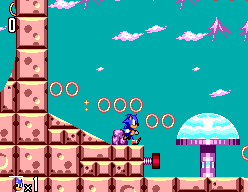
The mine carts give the opening part of the adventure a distinctive texture. They change the relationship between Sonic and the ground, making the movement of the vehicle part of the platforming problem. I appreciate that the sequel introduces a concrete activity instead of relying entirely on different scenery around the same jumps. A cart sequence can create momentum and tension in a way that running on foot does not. For me, though, it is also an example of the game's unevenness. I am more interested in the idea of connecting these moving sections than I am in every demand placed on timing and landing within them. The vehicle adds variety, but variety is not automatically the same as smooth pacing. I want the change of activity to give the adventure a fresh burst of enjoyment. Sometimes it does; elsewhere, the need to negotiate the sequence becomes more of a barrier than the excitement it contributes.
Sky High's hang-glider sections are another bold change. A glider asks for a different understanding of movement from an ordinary jump, and I like that the game is willing to let a setting shape the action in such a direct way. It gives the zone an identity I can describe through play rather than only through its background. The difficulty for me is how strongly the enjoyment depends on becoming comfortable with that particular interaction. A new activity is most inviting when the game makes its relationship with the surroundings easy to understand. Here, the gliding can feel more demanding than welcoming, and I find that the sense of adventure sometimes gives way to concentrating on the immediate requirement. That does not make the mechanic pointless. I would rather a sequel attempt something distinctive than add nothing beyond a new set of colors. I just wish the execution made that distinctiveness easier to enjoy consistently.
The other zones help keep the journey from becoming defined only by its unusual vehicles. Underwater movement and more conventional platforming provide different surroundings for Sonic's familiar actions, while the Emerald hunt gives the route a purpose beyond simply reaching each exit. I like that exploring the stages matters to the larger outcome. The optional-looking paths are not only scenery, and paying attention to the level can contribute to reaching the fuller conclusion of the adventure. That suits a game whose pacing already asks me to be more observant. At the same time, it makes clarity important. When careful exploration and precise movement are both central, a frustrating obstacle can interrupt two kinds of enjoyment at once. My reaction is therefore mixed rather than dismissive. I like having something worthwhile to search for, and I like the independent stage ideas, but I find the process of connecting them less dependable than the individual attractions suggest.
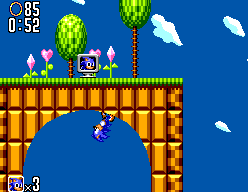
The Master System presentation gives those ideas useful room to breathe. This is the version I am evaluating, so I am not importing the Game Gear edition's smaller-screen issues into my judgment of it. I enjoy the colorful, clearly differentiated settings and the way the game establishes an atmosphere with relatively compact visual elements. It has enough personality to feel like an adventure designed for its own hardware. The bosses also help mark the journey's changes of setting, using Sonic's basic actions in more focused encounters. I prefer the moments where watching an enemy and choosing an opening provides the challenge cleanly. That fits the strengths of a simple platformer. The presentation makes me want to see the next place, even when the immediate demands of getting there are less enjoyable. It is a meaningful strength, because the game's identity would be much weaker if its unusual mechanics existed inside interchangeable-looking stages.
What I value most about this Sonic 2 is its willingness to be a different game. The mine carts, glider, original stages and separate adventure structure make it worth considering on its own terms. I do not need it to resemble the Genesis version more closely to recognize those strengths. My seven comes from enjoying that individuality while finding the overall experience uneven. The game can be imaginative and inviting, then demanding in a way that interrupts the pleasure of the journey. I am happy to accept challenge, particularly when it grows naturally from a character's established movement. I am less enthusiastic when a particular interaction becomes the main obstacle to enjoying an otherwise interesting zone. There is enough here for a good recommendation, especially for someone curious about the separate 8-bit branch of Sonic. For me, it is an inventive sequel whose best ideas are stronger than the consistency with which they are delivered.
Final thoughts
I enjoy the Master System Sonic 2 for giving Sonic a genuinely separate adventure, with distinctive stages and activities instead of copying the Genesis sequel. The carts, glider and Emerald search create a worthwhile identity, but the execution can be demanding in ways that interrupt the fun. It is an inventive, uneven 7/10, judged on its own hardware and its own design.
Final score: 7/10.
Reviewed on Sega Master System. No review copy was provided.
 The Murder of Sonic the Hedgehog Review
 Sonic the Hedgehog Spinball [8-bit] Review
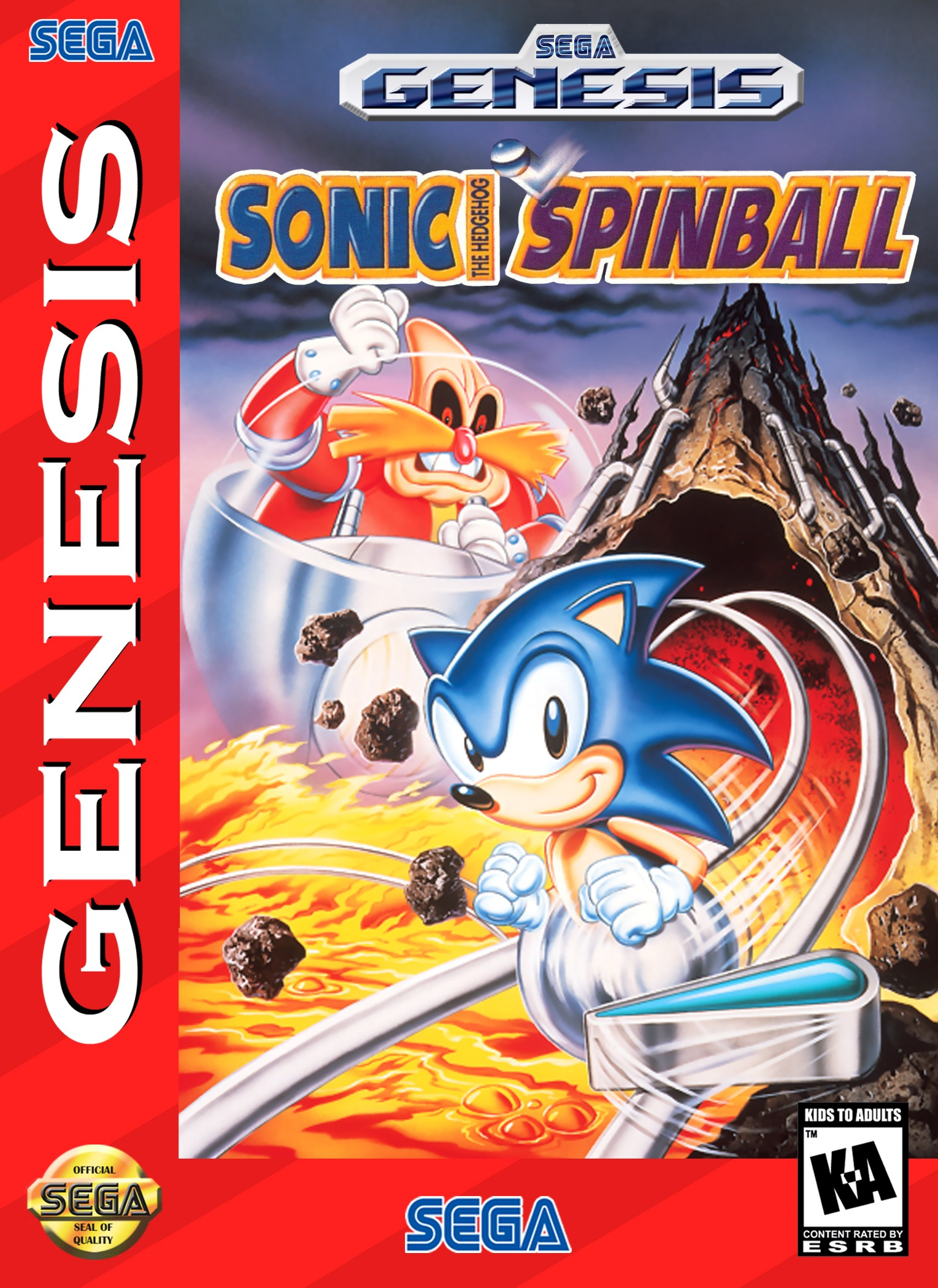 Sonic the Hedgehog Spinball 16-bit Review