A brilliant platformer that understands the classics well enough to surprise me again
Sonic Mania is incredible because it understands why the classic games were enjoyable instead of merely borrowing their appearance. The movement, layered routes and playful stage ideas work together so well that familiar scenery becomes exciting again, while the new zones prove the game can create its own identity. I love how much attention has gone into making an ordinary run satisfying. A clean jump, a well-used slope or a clever new route can make another attempt feel worthwhile without needing a reward screen to explain why. Ten out of ten is my score. The remixed locations are a large part of the structure, but they are not an excuse to repeat the past without thought. Mania keeps finding ways to turn recognition into a surprise, with enough confidence in its own platforming that the nostalgia becomes an extra pleasure rather than the only reason to care about the adventure.
The movement is the foundation of that enthusiasm. Sonic has weight and momentum that make a surface matter, so a slope or a landing can change what the next action feels like. I enjoy building speed through a route rather than treating the character as a cursor that simply moves faster when asked. The Drop Dash is an excellent addition because it fits that existing logic. Releasing into a roll after a jump gives a landing a useful purpose, allowing the next stretch to begin with another burst of movement. It is a small action that creates possibilities instead of demanding an entirely separate mode. The game does not need to keep stopping to demonstrate it. The stages give it room to become part of a natural line. That is the sort of new mechanic I want from Sonic: something that makes familiar actions connect more enjoyably, with enough flexibility that learning when to use it remains part of the fun.
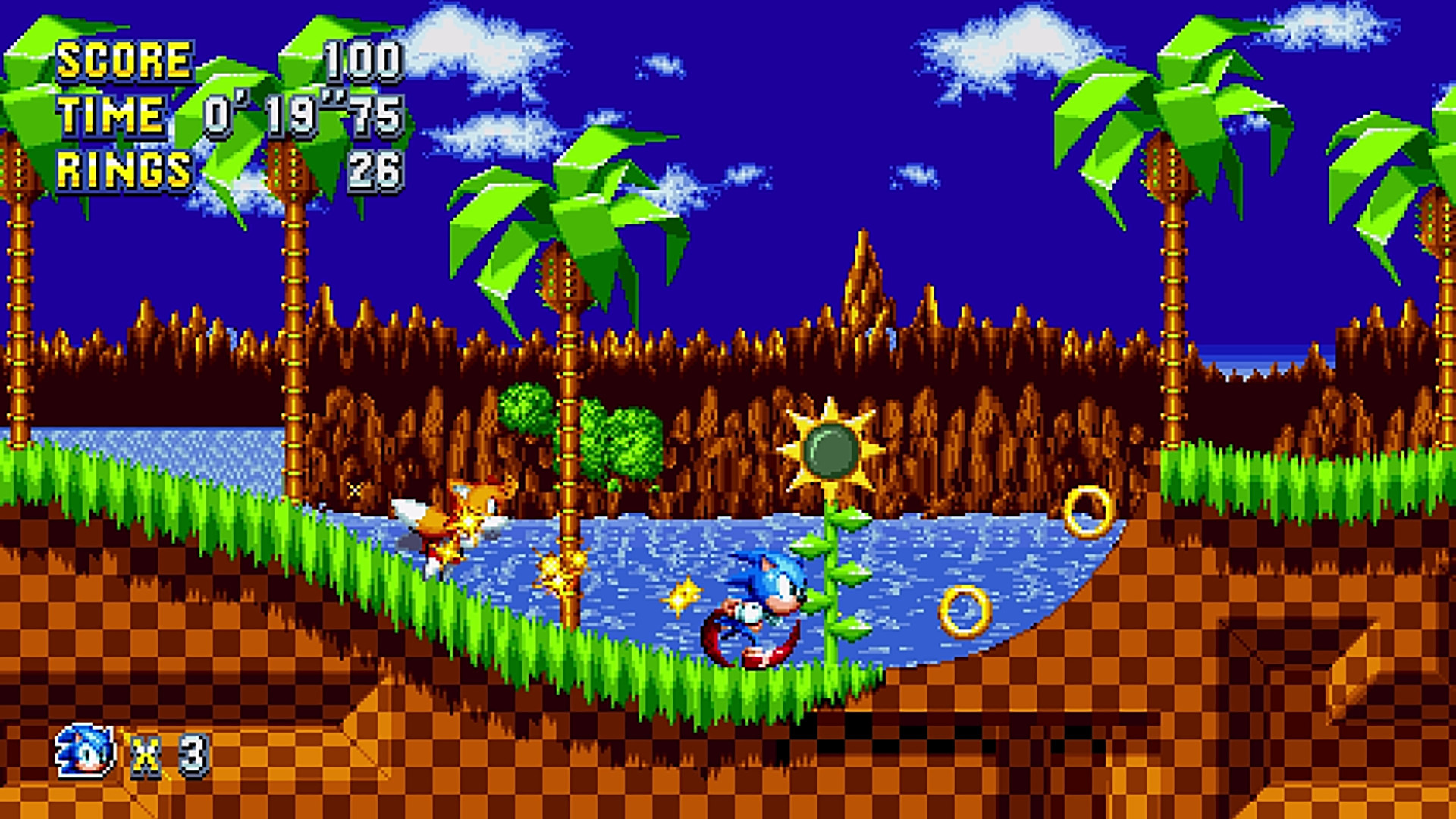
The remixed zones are much more substantial than a visual return to familiar places. Green Hill and Chemical Plant establish recognition, then the new arrangements and second-act changes give them another practical identity. I love how the game can begin from something known and make the next section feel unexpected without losing the character of the original setting. The key is that the changes affect the route and the decisions inside it. Another mechanism or a new use of a surface can make the act worth understanding instead of only worth recognizing. I do not need every return to be completely unfamiliar to enjoy that work. The pleasure is in seeing how a familiar foundation can support another good idea. Mania is unusually confident about that balance. It respects the spaces it revisits while refusing to treat their reputation as sufficient reason to leave the player with nothing fresh to do inside them.
The new zones are just as important to why the game earns its score. Studiopolis and Press Garden have strong personalities, with mechanisms and visual details that make them feel like complete Sonic settings rather than stages assembled to prove the game can be original. I enjoy how an environment's theme becomes part of the action. A playful object is most rewarding when it changes the movement or creates another small decision, and these levels have plenty of that quality. The route can be fast without losing room for inspection, and a slower section can be interesting without turning the whole act into a delay. That balance keeps the adventure lively. I look forward to the next setting because the game has earned confidence in what it will do there, not simply because another recognizable song or color scheme might appear. The new material stands comfortably beside the remixed locations and gives Mania an identity that belongs to this game.
Tails and Knuckles make the stage design more valuable through abilities that genuinely change the approach. Flying, gliding and climbing can turn another part of the scenery into a useful route, giving the same act another reason to be explored. I love that the character differences do not need to make the basic game unrecognizable. They reveal another way to enjoy spaces that are already worthwhile. The boss encounters also keep the journey playful, using familiar ideas in ways that are often more imaginative than a straightforward exchange of hits would be. A good boss can change the rhythm without throwing away the movement and reactions that make the stages enjoyable. Mania understands that, and its surprises usually feel connected to the wider adventure rather than included solely for the sake of being odd. The cast and the encounters both add variety through actual play, which makes the package richer than a simple list of characters and zones could communicate.
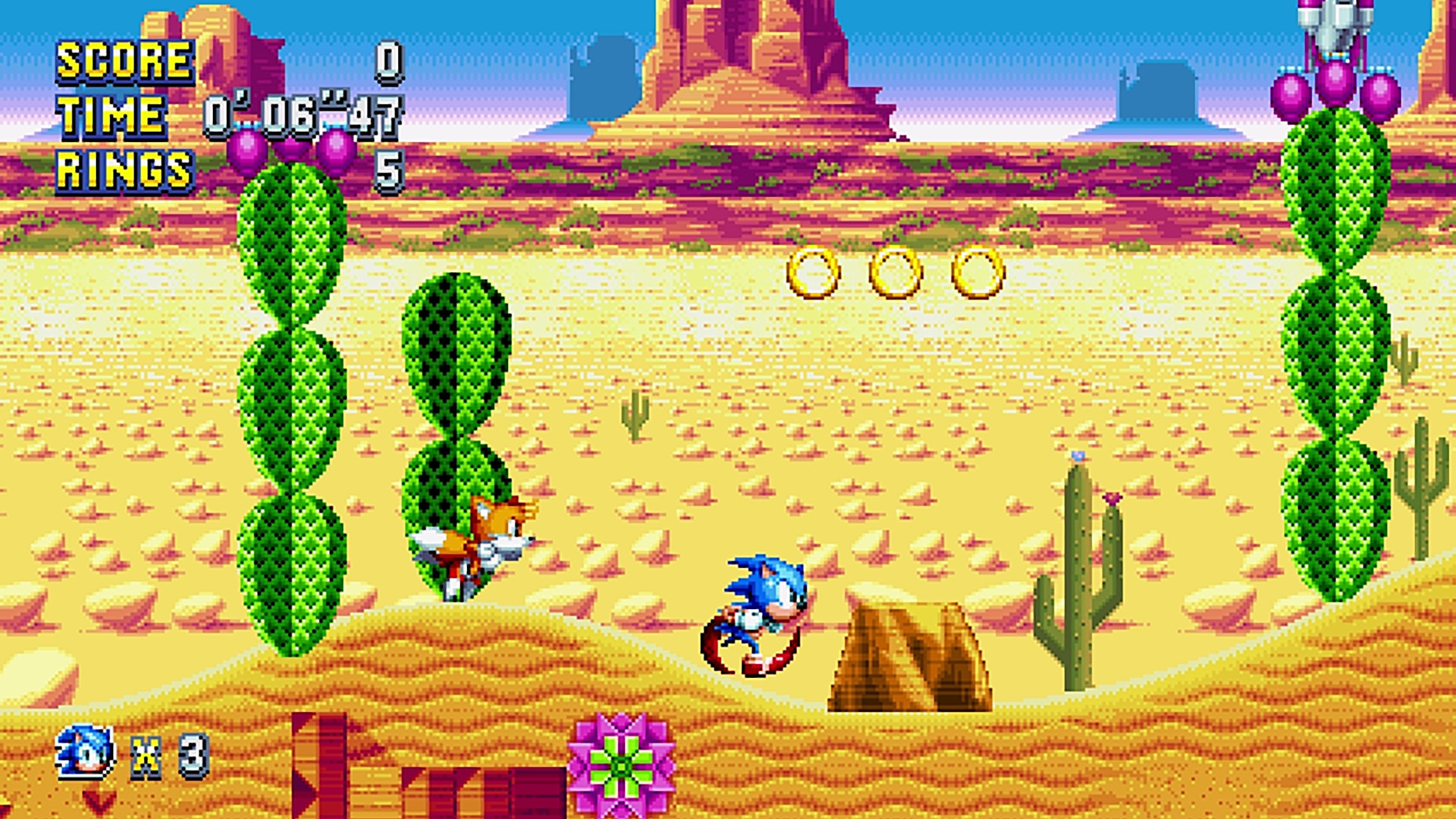
The special and bonus stages give the adventure worthwhile goals outside an ordinary finish. Pursuing the UFO for an Emerald creates a different kind of pressure through speed, rings and the route ahead, while Blue Sphere provides another familiar challenge with a clear reward. I enjoy having optional pursuits that ask for more attention without making the basic stages feel incomplete. Time Attack is another strong fit because a good route remains enjoyable when the objective becomes handling it better. The presentation makes all of these returns more inviting. The pixel work is expressive, the animation gives the characters life and the soundtrack gives each setting a memorable energy. I love that the style feels carefully made rather than merely old-fashioned. Its appeal comes from how well it communicates and celebrates the action. The visuals and music make an already excellent platformer more enjoyable, so neither needs to compensate for a weak foundation underneath the nostalgia.
I finish Mania with a clear ten because its best qualities keep supporting one another. The movement makes the routes enjoyable, the routes give the abilities something worthwhile to do and the presentation makes every return inviting. Familiar places are reworked with imagination, while the new zones prove that the game has more to offer than a celebration of older successes. I love the balance of speed, exploration and small practical discoveries. It gives a first trip through the adventure energy and gives another attempt a reason to exist beyond completing a checklist. There are individual moments I could prefer differently, but they do not weaken how exceptional the complete experience is for me. Mania is the kind of Sonic game that makes its central actions feel so good that the surrounding rewards become secondary. It honors the classic style by making it enjoyable now, with enough fresh thought in the ordinary stage design to make the whole adventure feel alive.
Final thoughts
Mania has exceptional movement, imaginative routes and a wonderful presentation. Its remixed zones create genuine surprises, while the new stages and Drop Dash give the adventure an identity of its own. I love how consistently the characters, mechanics and spaces support enjoyable platforming. 10/10.
Final score: 10/10.
Reviewed on PC. No review copy was provided.
 Sonic Dash 2 Sonic Boom Review
 SONIC PICO PARK Review
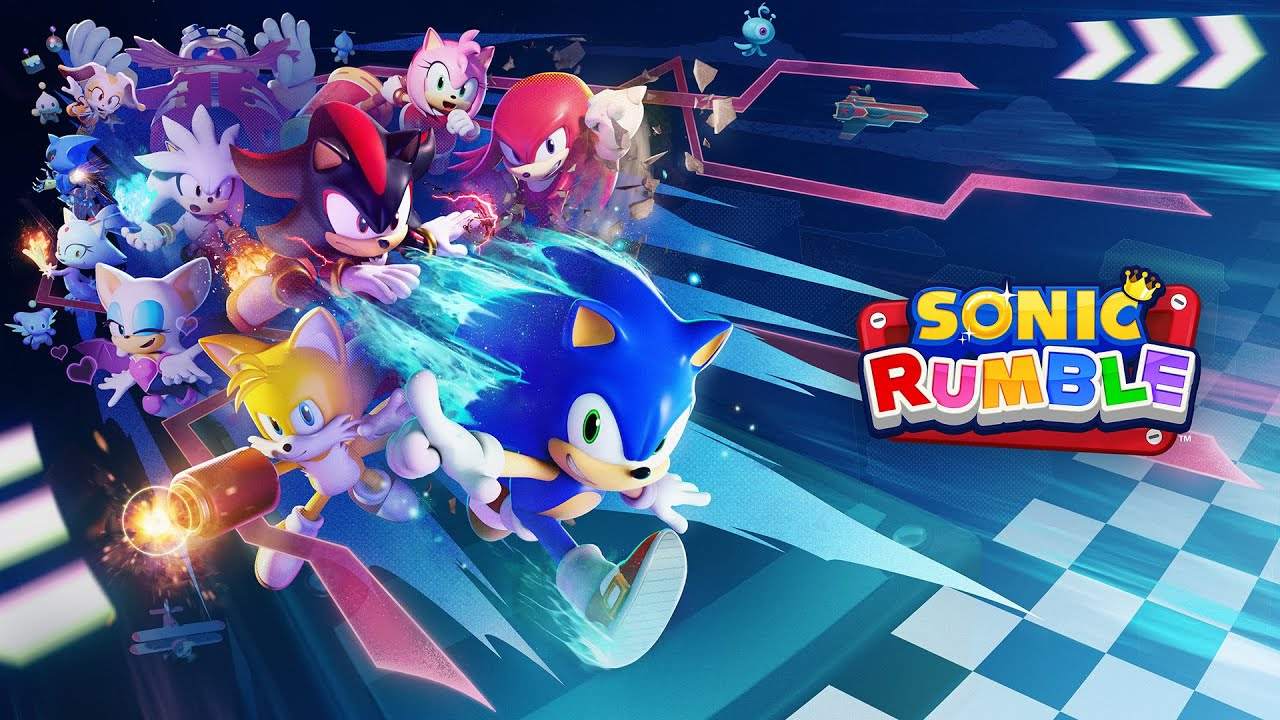 Sonic Rumble Review