
A fantastic celebration that makes familiar Sonic stages worth learning all over again
Sonic Generations is the kind of anniversary game I love because the celebration becomes something enjoyable to play. Familiar locations return with new routes and two different forms of Sonic, giving the past a practical purpose instead of treating recognition as the entire attraction. I enjoy the energy of Modern Sonic, the more direct side-scrolling focus of Classic Sonic and the way the same setting can support both. Nine out of ten is my score for the original PC game. The boss encounters and some extra challenges are less consistent than the main stages, but the central idea is strong enough to make the package a clear favorite. It gives me reasons to return beyond remembering where a piece of scenery came from. A good route is worth improving, and Generations provides plenty of those routes within a presentation that makes Sonic's history feel lively rather than like something placed behind glass.
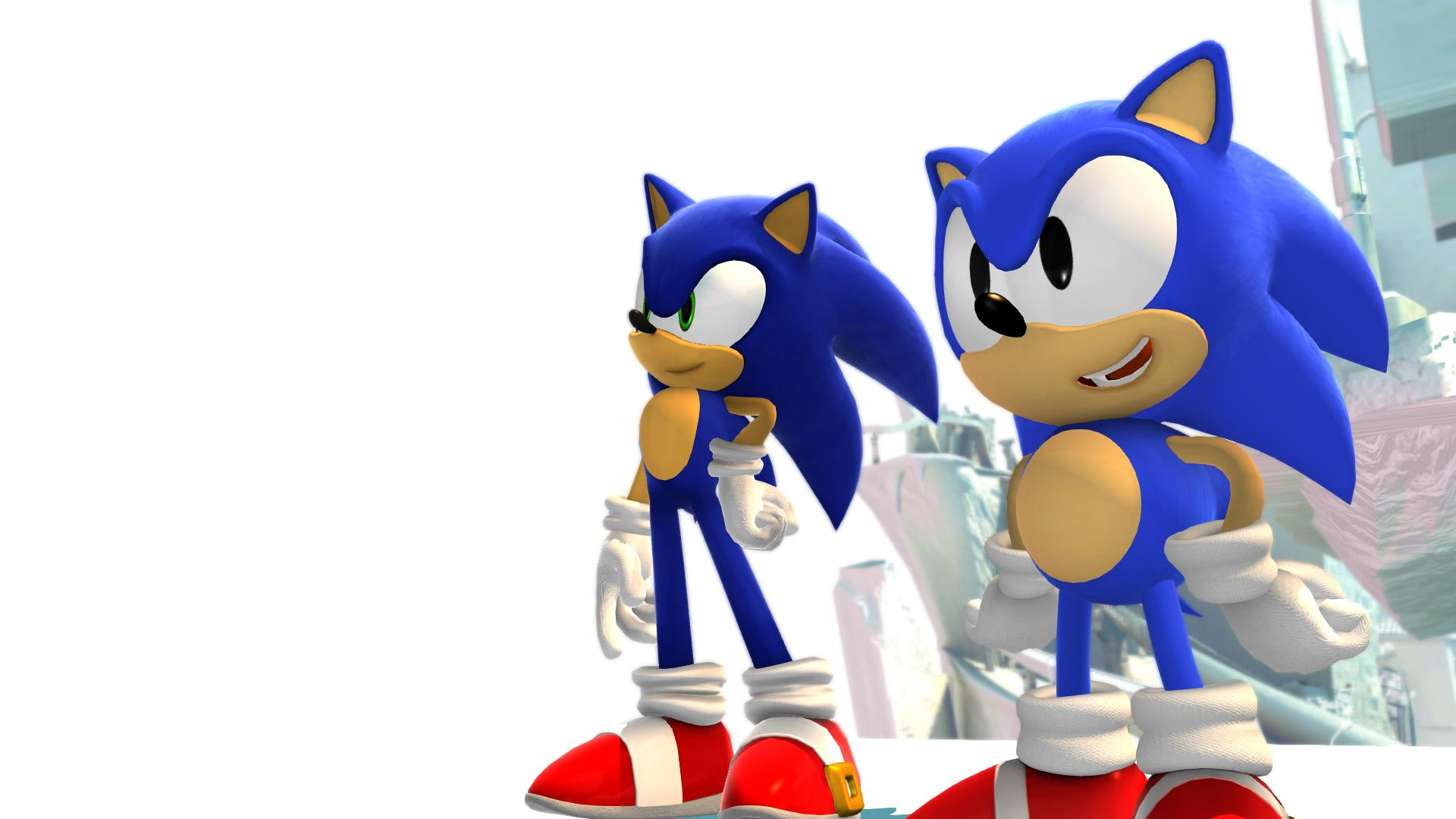
The two-Sonic structure works because the differences affect the actual stages. Classic Sonic stays in a side-scrolling space with spin-based movement at the center, while Modern Sonic uses boost, homing attacks and shifts between forward-running and side-on sections. I like being able to approach the same broad theme through a different set of demands instead of simply changing the character's appearance. The acts are built around their respective styles, so one setting can provide two worthwhile routes rather than one route with a cosmetic variation. That is the core success of the game for me. It understands that an anniversary is more interesting when it creates another reason to engage with the material. I can recognize the location immediately and still have something useful to learn about the next jump, line or transition. The familiar name is an invitation, not the conclusion of what the stage has to offer.
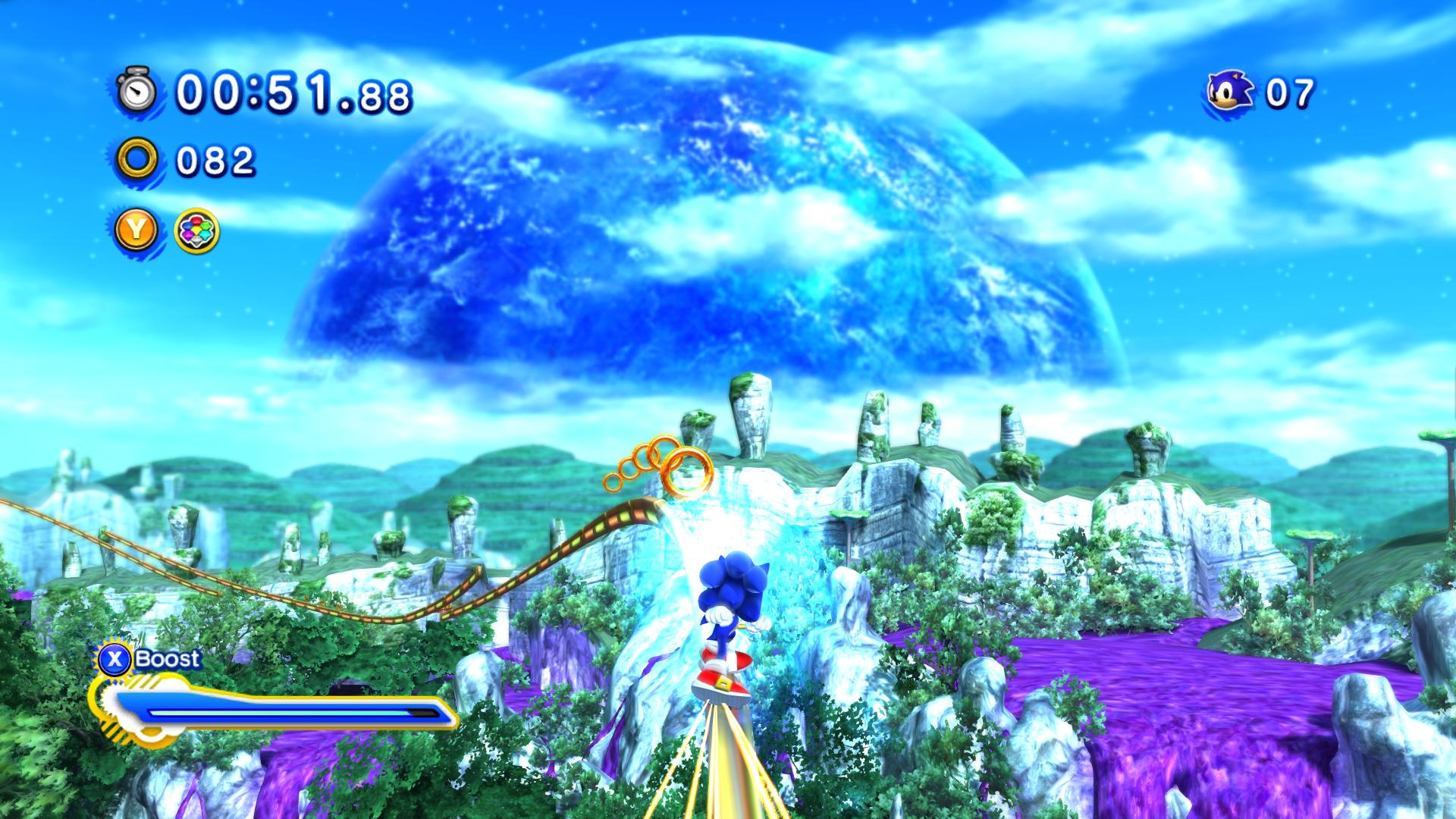
Modern Sonic provides many of my favorite moments. A strong line through a stage can connect a boost, a quick adjustment and a string of attacks into a run that feels spectacular because the actions fit together. I love that sense of learning how to carry the speed rather than simply watching the game maintain it. The stages have enough scale to make the first visit exciting and enough route detail to make a return worthwhile. The better I understand where the next transition leads, the more coherent the movement becomes. That is a satisfying form of replay value because the improvement happens through playing the stage, not only through earning a larger set of upgrades. Generations also gives the presentation room to emphasize the spectacle without letting it replace the interaction entirely. A familiar setting becomes an opportunity for a new sequence of decisions, which is much more valuable to me than a direct reproduction that offers no reason to read it differently.
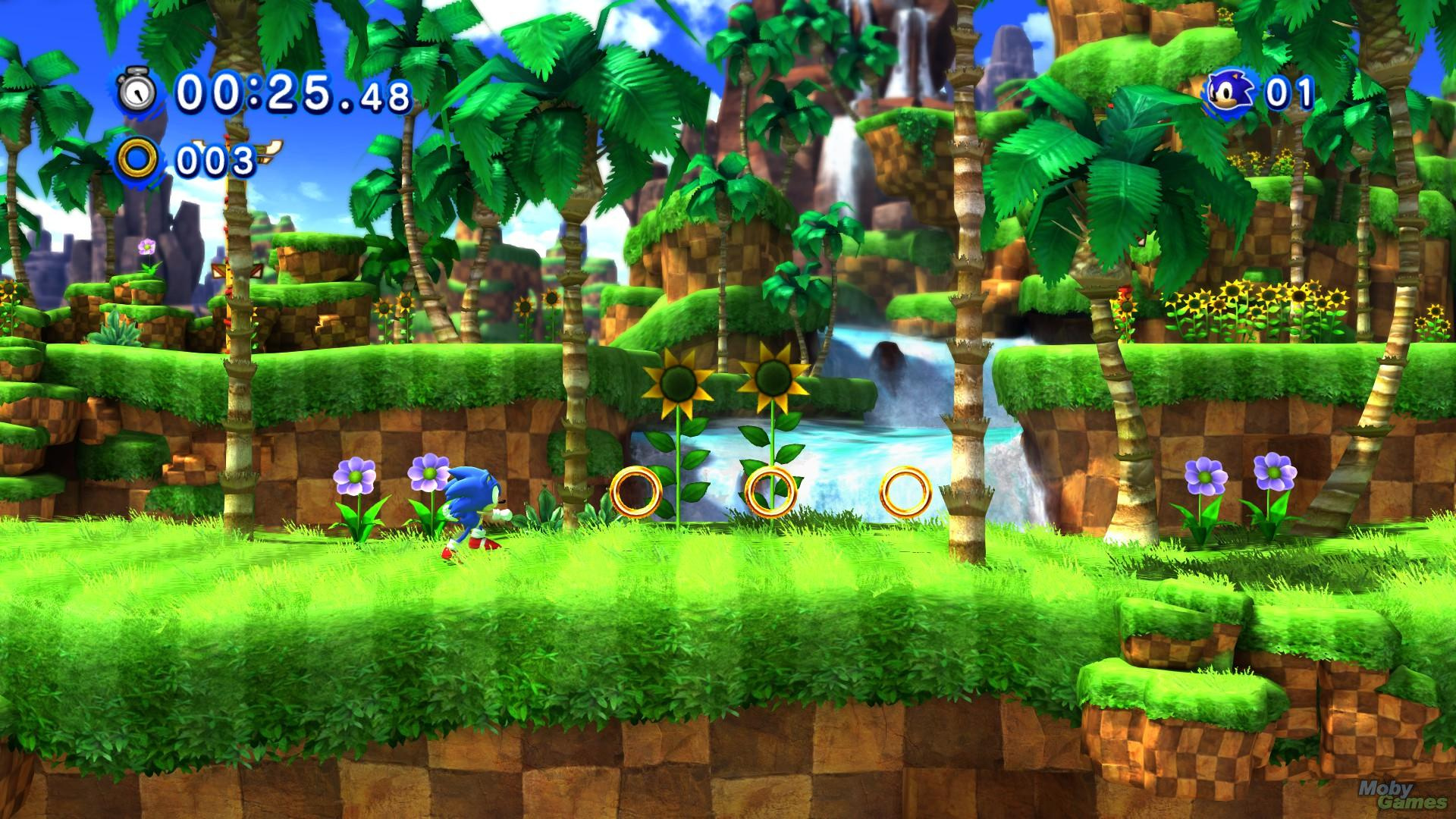
Classic Sonic gives the game a useful contrast. The side-scrolling acts concentrate attention on a more direct arrangement of platforms, slopes and alternate routes, allowing the same visual theme to support another kind of pace. I enjoy that change without needing to pretend the movement is an exact reproduction of every Genesis detail. This is Generations' own version of Classic Sonic, and the important question is whether its stages are enjoyable with that version. For me, a strong amount of them are. The spin dash makes gaining and using speed appealing, while the routes leave room to look around instead of treating every second as a boost sequence. The contrast keeps the adventure varied without sending it into an unrelated genre. I like that both forms remain recognizably Sonic and that the game gives each enough attention to make choosing another act feel like a new opportunity rather than a required pause before returning to a single preferred campaign.
The location selection gives that structure an excellent setting. Green Hill and Chemical Plant have an immediate familiarity, while later locations such as City Escape and Rooftop Run show how much the series' environments have changed. I love seeing those places share a package without losing their individual character. The visual reinterpretation is attractive, but the more important change is the route built within it. A familiar skyline means more when the next act gives it another enjoyable use. The music strengthens that effect through arrangements that suit the two styles, allowing recognition and fresh energy to work together. The game is at its best when it is doing exactly that: using the past as material for something lively rather than expecting a reference alone to carry the moment. The story's light framework is enough to connect the trip, leaving the stages and soundtrack to provide most of the reason to care about where the adventure goes next.
The Red Star Rings, ranks and challenge gates give the main acts more to pursue. I like a hidden collectible when finding it involves another route or a better understanding of an ability, and the game has enough worthwhile examples to make the search appealing. Ranks also provide a direct reason to handle a favorite stage more cleanly. The extra missions vary more in quality. Some focus attention on an enjoyable part of the movement or involve another character sensibly, while others feel less necessary than another ordinary run through a strong act. The bosses are similarly uneven, with the final encounter less satisfying than the best stages deserve. Those are clear qualifications, and they keep the complete package below the highest score for me. They do not erase the pleasure of the main routes. The strongest material is good enough that the extra structure feels like a set of choices around an excellent core rather than something required to make a thin adventure seem larger.
I rate the original PC Generations nine out of ten because it turns an anniversary premise into excellent stage-based Sonic. The two styles give familiar settings distinct routes, the presentation and music make the history inviting and the replay goals encourage a more careful understanding of movement that is already enjoyable. The weaker bosses and uneven challenges keep the game from being consistently outstanding across every part of its package, but the main acts make the recommendation enthusiastic. I love how easily it can offer a short visit to a favorite stage and still reward the desire to handle that stage better. It is a celebration with an actual game at the center, not a tour that expects affection to replace interaction. For me, that is why its familiar locations remain exciting. They have become places worth playing through again, with new rhythm, useful choices and enough confidence to make looking backward feel like a strong new Sonic adventure.
Final thoughts
Generations uses its two Sonic styles to turn familiar settings into fresh, rewarding routes. The music and presentation make the celebration inviting, while ranks and collectibles support enjoyable replaying. Uneven challenges and weaker bosses qualify the praise, but the original PC adventure is excellent. 9/10.
Final score: 9/10.
Reviewed on PC. No review copy was provided.
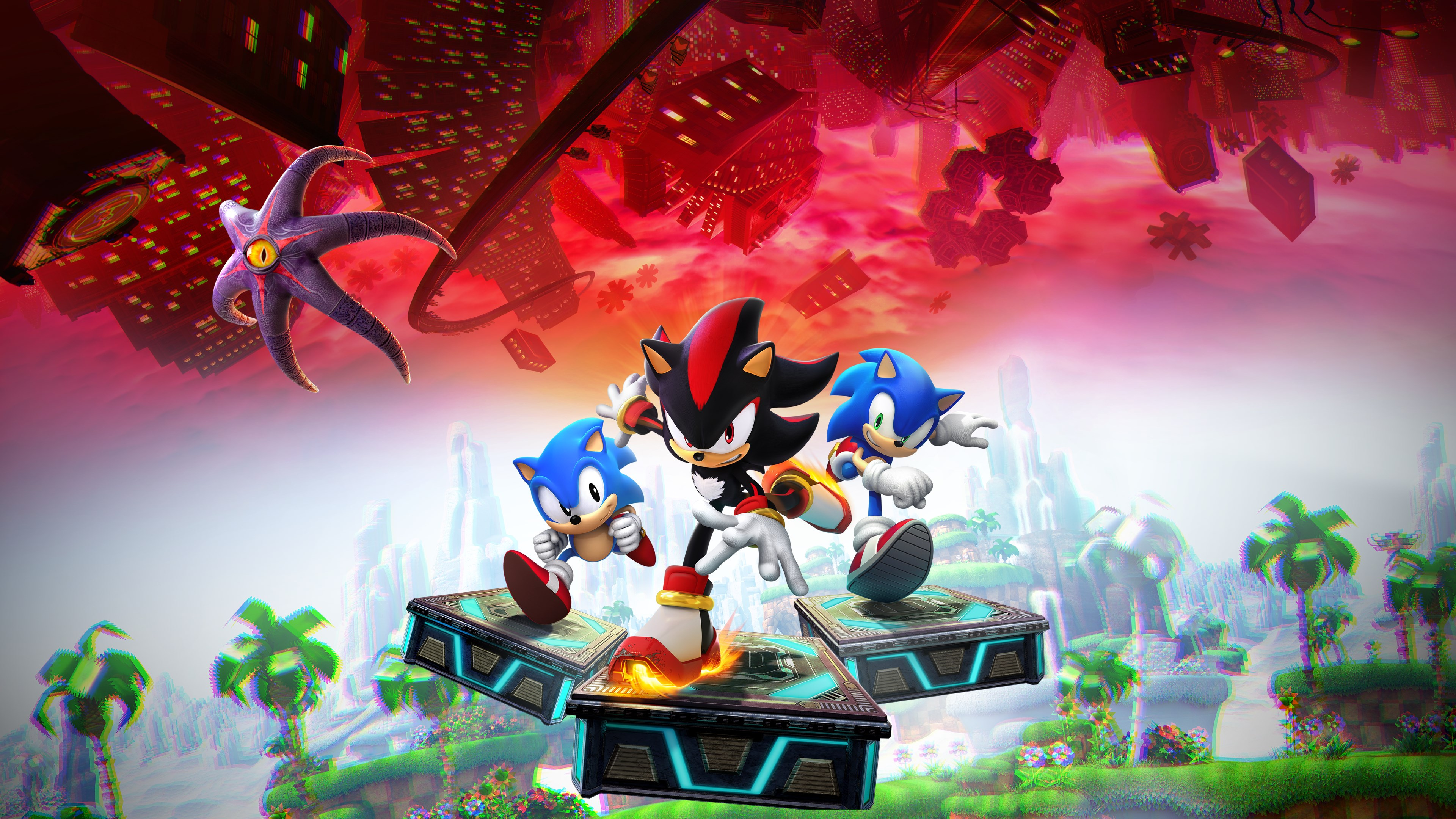 Sonic X Shadow Generations Review
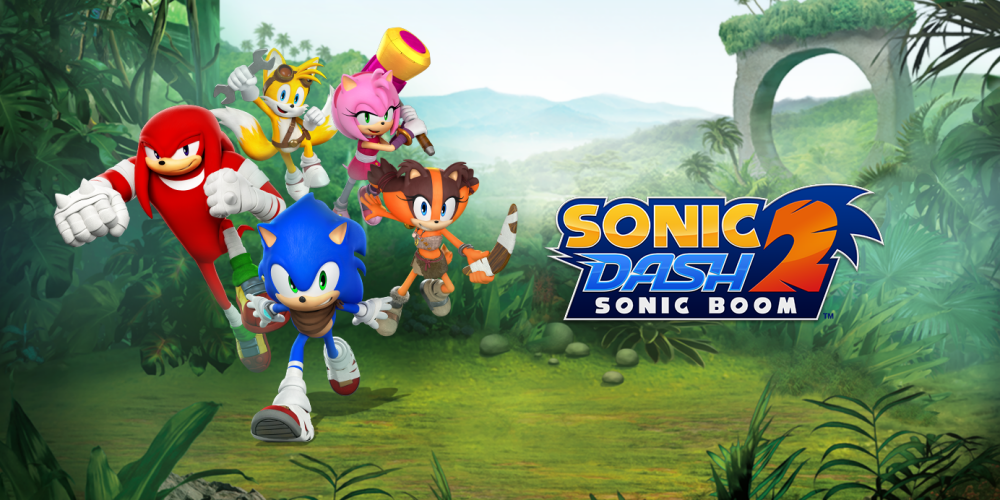 Sonic Dash 2 Sonic Boom Review
 Sonic Generations (Nintendo 3DS) Review