A cheerful mobile sports collection that works best in small doses
Sonic at the Olympic Games is enjoyable when I treat it as a collection of short sporting challenges rather than expect the depth of a larger console sports package. Its touch-based events are easy to understand, the cast gives the competition personality and the Tokyo setting helps the whole thing feel like a connected little trip. My enthusiasm drops as the repetition becomes more noticeable. A collection needs more than a change of scenery to keep familiar gestures interesting, and not every event gives me an equally good reason to improve. Six and a half is the score that fits. I like enough of the immediate action to find the game worthwhile, but the appeal is much stronger in brief stretches than across a long run through its content. It is a pleasant mobile interpretation of the idea, with clear limitations in how consistently its simple events remain enjoyable once the novelty has faded.
The touch controls are central to why the game works as well as it does. Tapping and flicking make sense for short events that need to communicate their goal quickly, and I like that the action is built around the screen rather than pretending a phone has the same physical inputs as a console controller. A sprint, a throw or a timed response can become understandable without a complicated set of virtual buttons. That accessibility is useful, especially when changing sports means learning another small demand. The limitation is that an easy-to-explain gesture does not always produce an equally satisfying challenge. Some events feel more rewarding when the timing is improved, while others leave me less interested in refining the same action. I enjoy the convenience, but I still want the controls to create a meaningful difference between an ordinary attempt and a better one. The stronger events make that difference easy to feel; the weaker ones make the gesture itself more noticeable than the sporting result.
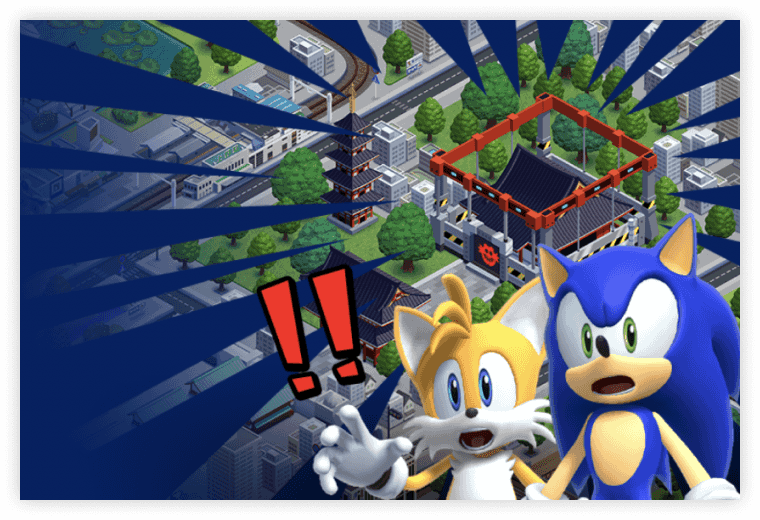
The range of sports gives the package a useful starting point. Running and hurdles ask for a different rhythm from archery, diving or table tennis, so the collection is not relying on a single repeated activity with another background. I like moving between different kinds of concentration. One event can be about maintaining a rhythm, another about judging a release and another about responding at the correct moment. Those changes keep the first stretch of exploration entertaining. The problem is the unevenness between them. I do not find every simplification equally appealing, and the collection sometimes asks me to repeat an event whose basic action has already given me most of what I want from it. Variety on the selection screen helps, but it does not guarantee that the time spent inside each event is equally worthwhile. The best parts make me curious about another attempt. The less successful ones make the next unlock more attractive than the actual process of earning it.
The EX events are a sensible way to give Sonic's world more room inside an Olympic format. I enjoy seeing an ordinary sporting idea become more exaggerated, with a less realistic set of demands and a stronger connection to the colorful cast. Those variations help distinguish the game from a plain collection of sports demonstrations. They are also a reminder that the characters should matter through the activity, not only through portraits and victory poses. I like the extra personality when it changes how an event is approached. My reservation is that a more elaborate presentation can still surround a fairly slight interaction. A fantastical event needs to be enjoyable after its first visual surprise has been understood. Some of these variations achieve that better than others. I appreciate the willingness to be playful, but I would rather have a smaller number of particularly satisfying challenges than treat every change of theme as an equally valuable addition to the package.
The map and progression give the events a reason to sit together instead of existing as an unrelated list. Moving through Tokyo with Sonic and his friends provides a light framework for earning medals and taking on the next challenge. I like that sense of direction because it makes a short event feel like part of a larger goal. It does not need to become an elaborate story to be useful. The danger is that progress becomes the main reason to replay an event that is less interesting in itself. A requirement can encourage another attempt, but it cannot supply the satisfaction that the activity has failed to create. That is where the game feels most limited to me. I enjoy having a destination and a sequence of rewards, while sometimes wanting the next objective to depend on a stronger or more varied challenge. The structure gives the collection shape, but the individual sports still have to do the important work of making that shape worth following.
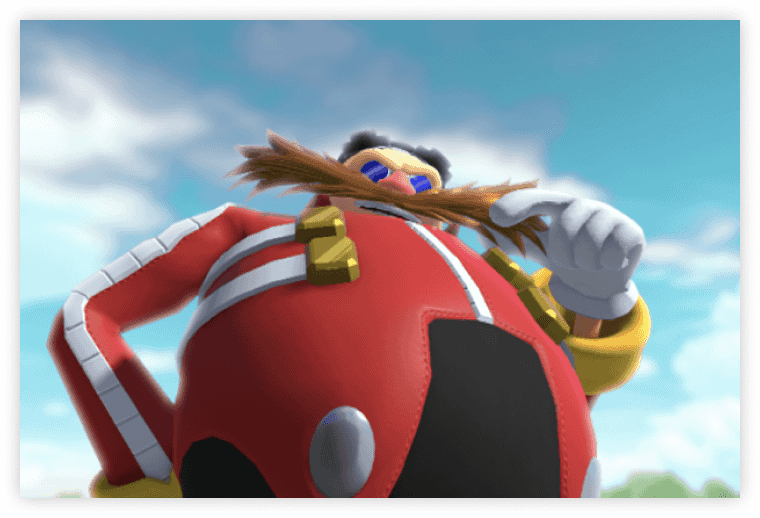
The presentation is consistently cheerful. Sonic's cast suits a sporting competition that is not trying to look like a serious television broadcast, and I like the expressive animation around small successes and failures. The colors and recognizable locations make the journey feel inviting, while the short events remain easy to separate from one another visually. That warmth is a meaningful positive in a game built for quick interaction. It cannot remove the repetitive side, though. Once the same kind of input has been repeated enough, another animated celebration is not always enough to make the following attempt exciting. I also see the mobile package as its own thing rather than a portable substitute for the Switch Mario and Sonic game. The different structure and input deserve to be judged on their own appeal. Here that appeal is real but modest, with presentation doing a better job of sustaining the mood than every event does of sustaining my interest.
I finish with a mixed but positive reaction. Sonic at the Olympic Games translates several sports into approachable phone interactions and uses its cast well enough to make the collection pleasant to explore. The EX variations and the Tokyo framework give it more character than a completely anonymous set of minigames. The events are uneven, and the progression sometimes asks for more repetition than their simple mechanics comfortably support. Six and a half out of ten recognizes the enjoyment without overstating it. I like the game most when one short challenge leads naturally into another, with enough variety that each feels welcome. I like it less when the next reward becomes a reason to repeat an activity whose appeal has already worn thin. It is worthwhile as a light mobile diversion, but the amount of content is more impressive than the consistency of the interaction across that content.
Final thoughts
Approachable touch events, a cheerful cast and playful EX variations make this an enjoyable mobile sports collection in small doses. The events vary in quality, and progression can ask for more repetition than the simplest ones support. I like the package with clear limits on its staying power. 6.5/10.
Final score: 6.5/10.
Reviewed on iOS using iPhone 13 Pro Max. No review copy was provided.
 Mario & Sonic at the Tokyo 2020 Olympic Games Review
 Mario & Sonic at the Rio 2016 Olympic Games Review
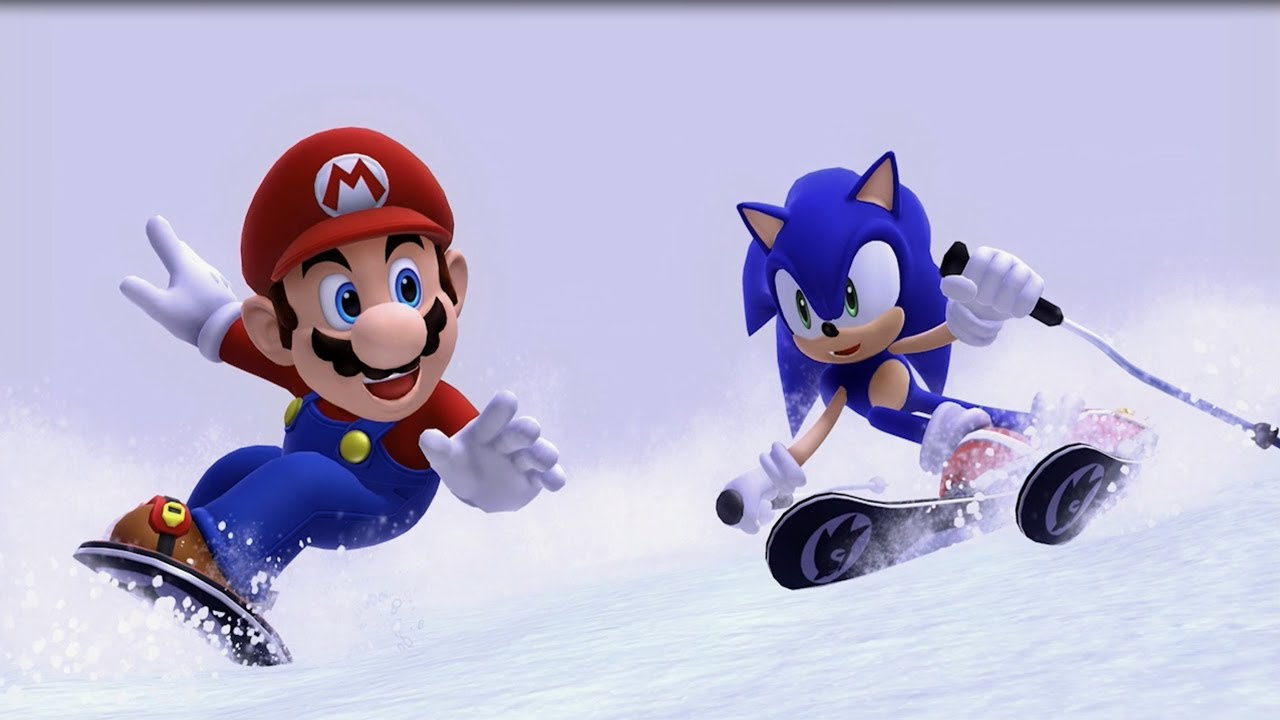 Mario & Sonic at the Sochi 2014 Olympic Winter Games Review