
Good demon-building ideas wrapped in a mobile routine that wears down their appeal
Shin Megami Tensei Liberation Dx2 has enough of the series' strategic identity to make it worth exploring, but I do not find the mobile structure as consistently satisfying as the combat ideas inside it. Building a demon party, thinking about skills and exploiting an enemy's weakness gives the game a practical reason to demand attention. I enjoy that preparation when it leads to a battle that makes the choices matter. My enthusiasm becomes more qualified when the next step is another stretch of repeated development rather than a fresh tactical problem. Six and a half is my score. There is a worthwhile RPG here, with a strong visual identity and a combat foundation I like, but the surrounding progression can make that foundation feel more like an ongoing obligation than an adventure I want to follow eagerly. I appreciate the amount to consider without finding every part of maintaining it equally enjoyable.
Press Turn is the strongest reason the battles feel connected to Shin Megami Tensei rather than a completely generic character collection. An enemy's affinities change which action is sensible, and a good choice can improve the economy of the turn instead of only produce a larger damage number. I like that the game gives preparation a consequence that remains visible once the fight begins. A powerful demon is not automatically the answer to every situation if the party's skills and weaknesses leave a poor match against the threat in front of it. That makes changing a lineup more interesting than simply selecting the largest displayed statistic. The limitation is how often the wider routine puts me back into encounters whose useful decisions already feel familiar. A strong turn system needs interesting reasons to be used. I enjoy it most when the enemy creates a new question, and less when the next battle mainly exists to support another step in the development cycle.
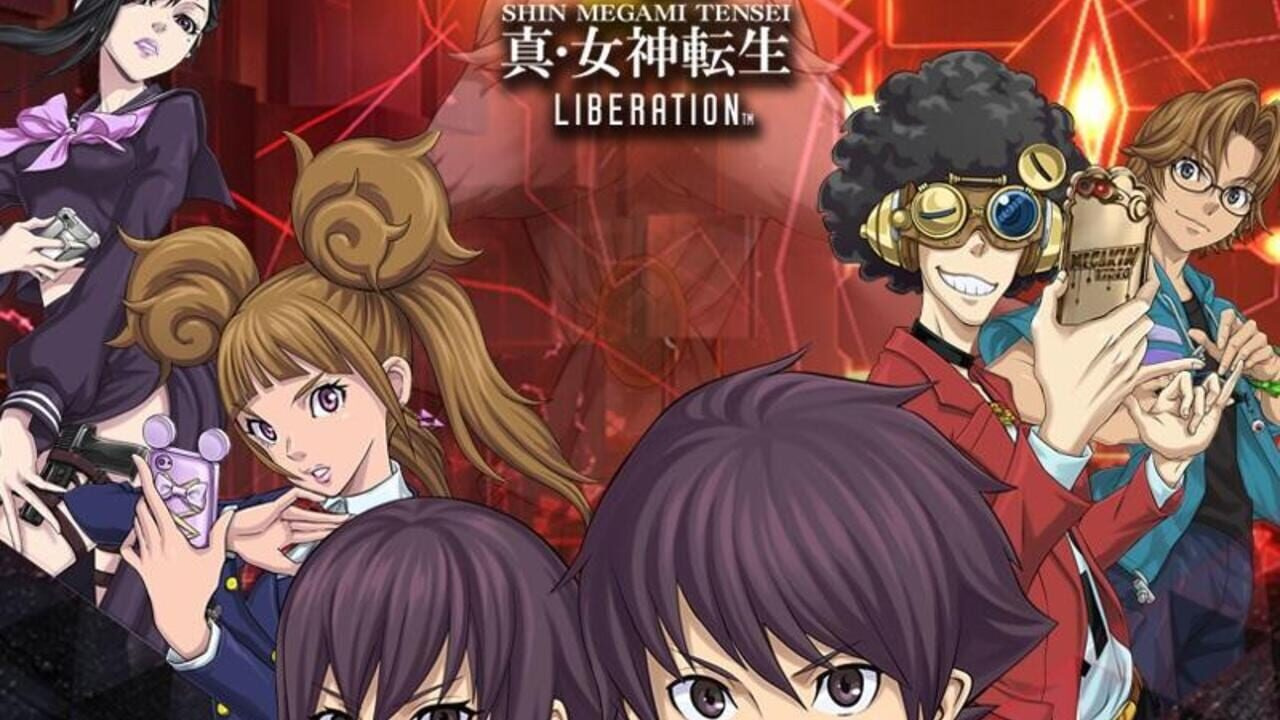
Summoning and fusion give the roster more substance than a collection of portraits. A demon has a set of abilities and affinities that can make it useful for a particular plan, while fusion and development create ways to think beyond the next isolated acquisition. I like the possibility of shaping the party instead of only waiting for another character to arrive. Skill transfer is especially appealing because it connects one part of the collection to another, making a demon's value more than its immediate place in the lineup. The challenge is keeping that planning pleasurable when there are several layers of enhancement around it. I want to make an interesting build, not feel that every useful idea first needs another round of ordinary resource work. The game offers meaningful choices, but the path to carrying out those choices can be less enjoyable than the choices themselves. That is a recurring qualification in my opinion of the package.
The different development options give the game a substantial long-term structure. Enhancing, evolving and awakening demons can make a preferred party more capable, while equipment and skills provide further ways to specialize it. I appreciate that the game does not treat a character's arrival as the end of its usefulness. There is room to make something of the roster already available. My reservation is the density of the process. Another improvement can be useful without feeling like a rewarding new decision, and the accumulation of small steps can make progress feel more administrative than exciting. I enjoy understanding why a change will help in battle. I am much less enthusiastic about repeating familiar tasks simply to reach the point where the change becomes possible. The distinction matters because the combat has enough depth to deserve a progression structure that supports it more comfortably than it sometimes does here.
The story and setting give the game a recognizably modern supernatural atmosphere. The idea of Devil Downloaders using a phone application to command demons is a sensible fit for the platform, and I like how that premise connects the device in my hand with the world being presented. Tokyo and the conflict between the Liberators and the opposing organization give the battles a larger direction. The demon designs remain a major attraction in their own right, with enough variety in their appearance to make looking through the roster interesting. I find the presentation more convincing than the pace of every stage in the journey. A story scene can give the next encounter a reason to matter, but repeated development work can weaken the momentum between those scenes. The atmosphere is strong enough to keep the game from feeling anonymous. It does not make the mobile routine disappear, and that routine is often the part I notice when the narrative should be gathering energy.

The additional activities broaden the package, with the Aura Gate providing another context for exploration and material gathering and competitive options offering another use for a developed party. I like having different reasons to think about the roster rather than a single unchanging sequence of story fights. Auto-battle and speed options can make repeated encounters more convenient, but convenience and engagement are different benefits. Making an ordinary task quicker does not necessarily make it more interesting. I appreciate the help while still wishing fewer parts of the progression felt like tasks I wanted help getting through. The game is most appealing when a decision about a skill, affinity or party role changes the outcome in a way I can understand. It is less appealing when the important decision has already been made and the following work is mainly about accumulating what is needed to implement it. The extra modes provide breadth, while the quality of the underlying rhythm remains uneven.
I finish Dx2 with enough enjoyment to recommend a curious look, but not enough to recommend it without qualifications. The demon-building possibilities and Press Turn battles give it a real strategic foundation, and the series' designs make the roster interesting beyond its numbers. The modern setting and phone-based premise also suit the platform well. The repeated development work, dense progression and uneven narrative momentum keep my score at six and a half. I like the game most when it lets preparation lead directly into an interesting tactical problem. I like it much less when the preparation becomes a long chain of familiar maintenance before that problem can be reached. The good ideas are substantial enough to matter, but the package asks for patience in ways that do not always produce an equally satisfying reward. It is a worthwhile mobile RPG whose routine is less compelling than its best systems.
Final thoughts
Dx2 has worthwhile demon customization and a strong Press Turn battle foundation, supported by distinctive designs and a fitting modern setting. Dense progression and repetitive development work make the journey less consistently enjoyable. I like its tactical ideas more than the routine around them. 6.5/10.
Final score: 6.5/10.
Reviewed on iOS using iPhone 13 Pro Max. No review copy was provided.
 Onimusha: Way of the Sword Review
 Disney Speedstorm Review
 Zap Blastum Review