A brilliant competitive idea with an unusually clear connection between practice and improvement
Rocket League is excellent because its ridiculous premise becomes a very precise game the moment the car reaches the ball. Scoring a goal is immediately understandable, while steering, boosting and choosing the right contact create enough depth to keep that simple goal interesting. I love how visible improvement can be. A better turn, a cleaner recovery or a more useful position can matter before the more spectacular aerial actions are even considered. Eight and a half is my score. The competition can be frustrating, and the need to coordinate with others can make a mistake feel larger than it would in a solo challenge. Those qualifications do not weaken the central appeal much. This is a very strong multiplayer game with a focused purpose and an enormous amount of room to develop inside it. I enjoy the way the controls make skill something carried out directly rather than something represented mainly by an equipment statistic or a longer ability list.
Driving is the foundation of that depth. Accelerating toward a ball is easy enough to understand, but arriving at a useful angle and speed is a more interesting question. I like that the car cannot simply turn every intention into an immediate perfect result. Its movement has a shape that needs to be learned, and the ball responds to how contact is made rather than only whether the button was pressed. That makes an ordinary touch meaningful. A hit can be powerful and still send the ball somewhere unhelpful, while a smaller contact can create a much better opportunity. The game rewards thinking about what the action is for. I find that satisfying because the result remains visible on the field. There is room to make a practical adjustment without needing a long explanation from a menu. The same simple interaction can feel clumsy at first and increasingly deliberate as its timing and positioning become more familiar.
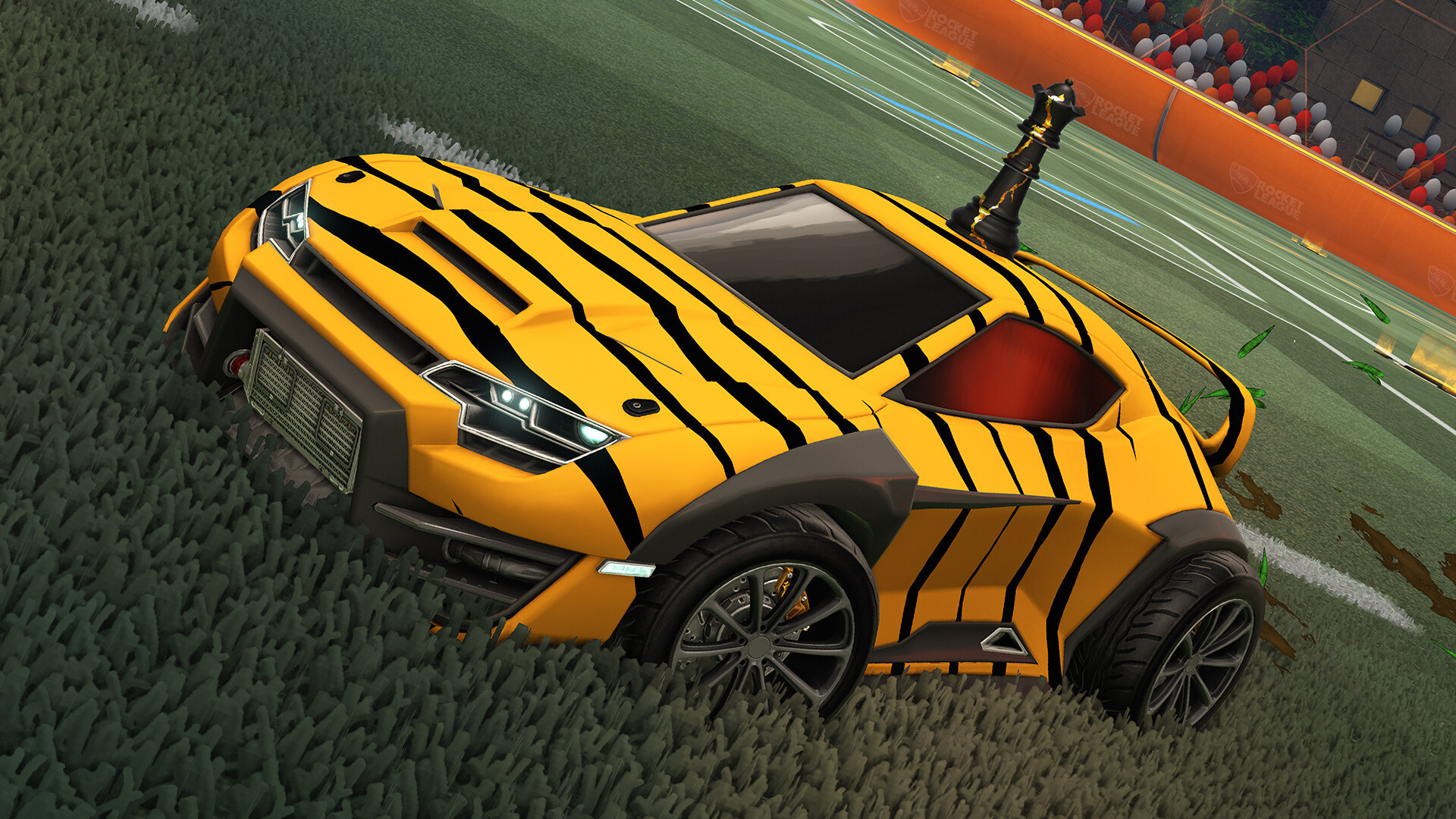
Boost adds a resource decision to that movement. It can help reach an opportunity, recover toward the goal or carry the car into the air, but spending it also changes what will be available moments later. I enjoy that connection between immediate speed and the next position. A route across the field can be useful because of the boost it collects as well as the angle it creates. That gives travel a purpose beyond simply chasing the ball as quickly as possible. The limitation is that the temptation to rush can be stronger than the value of the decision. A very fast arrival is not always a useful one, and recovering from an overcommitment can make the next threat harder to handle. The game is satisfying because it allows that distinction to be learned. Speed is a tool rather than a substitute for judgment, and the boost system gives the field another layer without obscuring the clarity of the main objective.
Jumping and aerial movement expand the same idea rather than introducing a separate game. A ball above the ground creates another possible contact, and using the car in the air gives the controls a much larger space in which to matter. I like how the spectacular actions grow from familiar tools. The game does not need to award a special animation after a meter is filled; the player has to create the movement that makes the result possible. That gives mastery a strong practical identity. It also means the difference in ability can feel intimidating, because the visible possibilities are much larger than the actions a less experienced player can carry out comfortably. I accept that as part of a deep competitive game, though it is an important qualification to the easy explanation of its premise. Rocket League is simple to understand and much harder to become comfortable with at every height and speed. The pleasure is in that development, not in pretending the starting point and the ceiling are close together.
Positioning makes the game more than a collection of individual tricks. A team needs someone available for the next contact, someone able to respond if an attack fails and enough space that several cars do not turn the same opportunity into a collision. I enjoy how an ordinary decision about where to wait can be as useful as a dramatic touch. It gives the competition a broader rhythm than constant ball chasing. The frustration is that coordination depends on more than one person's intention, so a sensible plan can still become awkward when another car is expecting something else. I do not want the game to remove that shared responsibility, because it is also the source of much of its depth. I simply recognize that it can make the experience more tiring in some moods. The best play comes from understanding the field together, while the weaker stretches make the same field feel like several competing ideas about the next action.
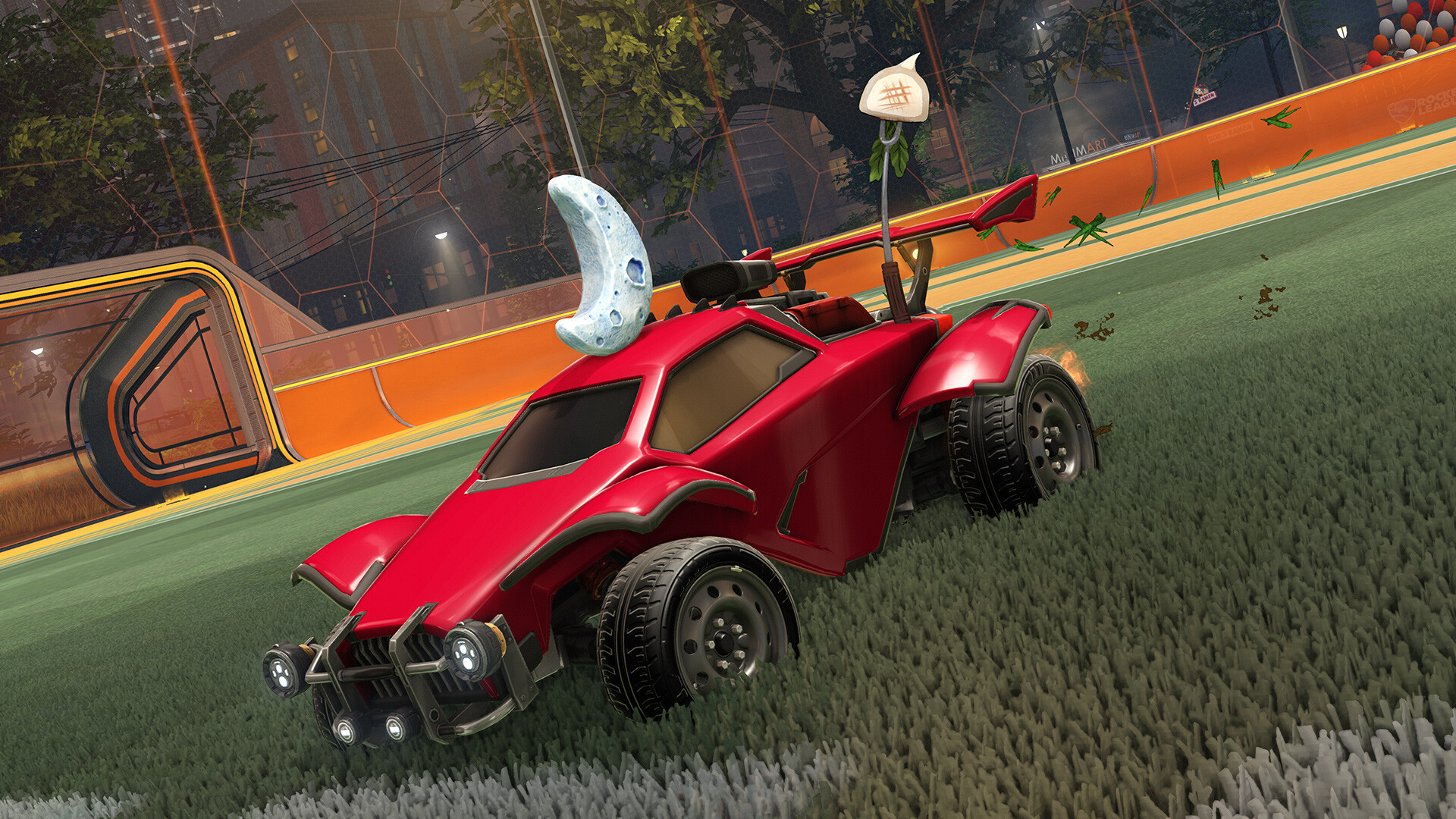
The presentation keeps that competition clear. The arena, the large ball and the recognizable goals make the important information easy to understand, while the cars and cosmetic effects give players room for expression around it. I like that the style can be playful without changing the seriousness of a close result. Customizing a car is enjoyable as a personal touch, but the recommendation comes from what happens once it is moving on the field. Casual and more competitive contexts also give the same foundation different stakes without needing to change its basic appeal. My reservation is that the focus can become repetitive when the frustration of a missed action is stronger than the desire to improve it. The game is not automatically relaxing because it looks cheerful. I enjoy its precision, and that precision is exactly why a small mistake can feel so noticeable. The quality of the core makes the tension worthwhile more often than not.
I finish Rocket League at eight and a half because it turns a very clear objective into an exceptionally rewarding skill game. Driving, boost, jumping and ball contact fit together in ways that make a better action visibly meaningful. The learning can be demanding, and shared positioning can create frustration when the intentions on the field do not align. Those are substantial qualifications without changing how much I admire and enjoy the central design. I love the fact that the most impressive result is still made from the same tools available in an ordinary moment of play. The game does not need to become complicated to remain deep. It needs a field, a ball, two goals and controls with enough possibility to make every contact worth considering. That focused combination works brilliantly, giving the competition a lasting appeal beyond the immediate joke of cars playing football.
Final thoughts
Rocket League turns a simple scoring objective into a deep, rewarding skill game. Driving, boost and ball contact make improvement visible, while positioning gives team play real purpose. The learning curve and coordination can be frustrating, but the focused core remains excellent. 8.5/10.
Final score: 8.5/10.
Reviewed on PC. No review copy was provided.
 Onimusha: Way of the Sword Review
 Disney Speedstorm Review
 Zap Blastum Review