Excellent style and enjoyable rhythm play cannot quite hide a limited standalone package
Persona 5: Dancing in Starlight is easy for me to enjoy when the music and the performance are allowed to take the lead. The cast looks fantastic, the choreography gives the familiar songs another identity and the rhythm controls make a good track satisfying to learn. I like spending time with these characters in a format that celebrates their personality instead of trying to repeat the RPG around them. The limitation is how much the complete package depends on that existing affection. The song selection and supporting activities do not make the standalone experience as rich as I would like. Seven out of ten is my score. This is a worthwhile rhythm spinoff with a very strong sense of style, but it is not an equally strong expansion of everything that made Persona 5 interesting. I enjoy the performances and the ordinary act of hitting the notes more consistently than the amount of material and progression surrounding them.
The rhythm system has a clear visual structure. Notes travel toward the positions around the screen, and matching them to the music gives the immediate play a readable purpose. I like how the game can begin with a straightforward sequence and become more demanding as the chart asks for quicker changes or a more complicated combination. A good rhythm game needs the satisfaction to come from the relationship between the sound and the input, not only from watching a performance in the background. Dancing in Starlight has enough of that satisfaction to make another attempt worthwhile. The different note demands and supporting options also let the challenge be adjusted rather than forcing every player into the same level of difficulty. I appreciate that flexibility. It gives a familiar song room to be enjoyed as a relaxed performance or a more focused test, with the quality of the chart deciding how compelling the harder attempt feels.
The music is the obvious attraction, and I enjoy hearing Persona 5's identity carried into another kind of game. A familiar track can become more noticeable when the rhythm chart asks me to pay attention to its accents rather than letting it sit behind exploration or dialogue. That is a useful change of perspective. The remixes offer another interpretation, though I do not find every one equally appealing. Some make an excellent case for the dancing format, while others leave me preferring the simpler strength of the original arrangement. The selection also feels limited relative to how much the package expects the same material to carry. Another difficulty or another cosmetic goal can make a song useful again, but it is not the same thing as having more tracks I am excited to play. I like the music enough to value the game, while still wanting a broader or more consistently compelling set to support the full standalone release.
The performances make a substantial difference to that enjoyment. The characters' choreography and expressions give them distinct personalities, so choosing a song is not only choosing another chart. I like how a dancer's attitude can make a familiar character feel recognizable without needing a long scene to explain the connection. The camera, costumes and stage presentation also preserve Persona 5's strong visual identity. The result is stylish in a way that belongs to the cast rather than feeling like a generic dancing game with licensed music. The qualification is that the performance has to remain secondary when the chart becomes demanding. I enjoy the visual side most when it supports a song I already want to play, and less when it is doing most of the work of making another repetition interesting. The presentation is excellent enough to create a strong first impression, but the rhythm content still decides how long that impression can sustain the package.
The social scenes are a pleasant addition because they give the cast room to interact outside a performance. I like the lighthearted tone and the chance to see another side of the characters without requiring the game to become a second RPG. These conversations can make the progression feel more personal than a simple list of completed tracks. They are not a substitute for a substantial narrative, though. The format is mainly a celebration of the group, and the surrounding framework does not create the same kind of journey as the original game. I do not need it to do so in order to enjoy it. I simply find the supporting material more appealing as an extra than as a major reason to recommend the release. The best part remains playing a good chart while the character's performance gives the music another shape. The social content adds warmth around that activity without expanding the whole package as much as its separate progression might suggest.
The unlocks and customization give repeated play some visible rewards. Costumes and accessories suit a game whose performances are such a large part of the appeal, and I enjoy having a little control over how the cast is presented. The difficulty options and challenge modifiers are more useful to the actual rhythm play, because they can make a familiar chart ask for another level of attention. The limitation is that several reasons to replay are still being built around the same small selection of songs. I like improving a result when the track and the chart remain engaging. I am less interested when the next unlock becomes the main justification for another attempt. The package is strongest when the music makes the reward feel secondary. It is weaker when the reward needs to create interest that the repeated track no longer provides. There is enough good rhythm play to recommend, but not enough consistently fresh material to make every part of the completion routine equally appealing.
I finish Dancing in Starlight with a positive, qualified opinion. The controls are enjoyable, the performances have real personality and the Persona 5 style gives the whole thing a striking identity. The limited song selection and lighter surrounding structure keep it from becoming an especially strong standalone rhythm package for me. Seven out of ten reflects a game I can recommend most clearly to someone who wants more time with this music and cast, while recognizing that affection does a meaningful amount of the work. I enjoy the charts enough that the experience is more than a decorative extra, but I would welcome more content capable of carrying the same quality. The game understands how to celebrate Persona 5 through movement and sound. It does not always give that celebration enough room to feel as substantial as its confident presentation initially promises, leaving a stylish, enjoyable spinoff with a fairly clear boundary around its lasting value.
Final thoughts
Dancing in Starlight has enjoyable rhythm controls, excellent performances and a striking Persona 5 identity. The music is appealing, but the selection and lighter supporting structure limit the standalone package. I enjoy it most as a celebration of the cast and soundtrack. 7/10.
Final score: 7/10.
Reviewed on PlayStation 4. No review copy was provided.
 Onimusha: Way of the Sword Review
 Disney Speedstorm Review
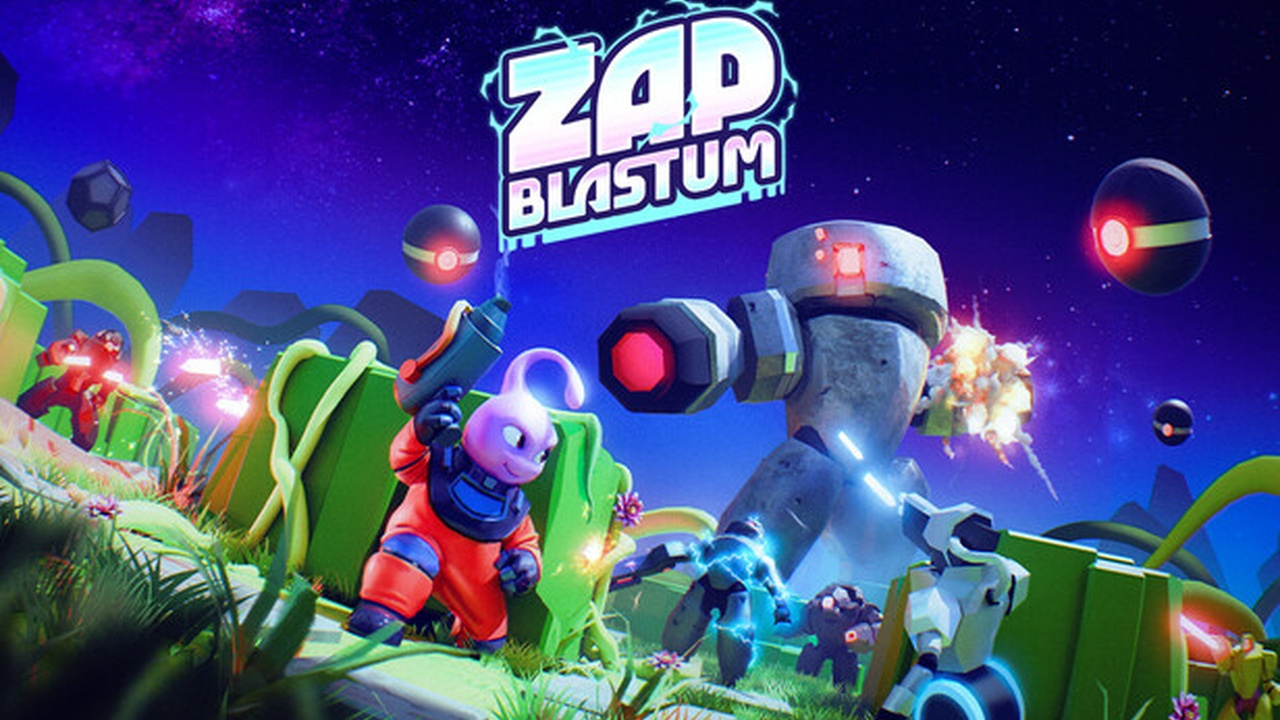 Zap Blastum Review