A lively Wii sports meeting with more immediate fun than lasting depth
Mario & Sonic at the Olympic Games is easy for me to enjoy when it keeps the competition direct. Choose a familiar character, understand the next event and try to get a better result: that basic structure works well enough to make the crossover more than a novelty. I like seeing these casts share a sports game without needing an elaborate story to explain the occasion. The motion input gives the stronger events an immediate physical character, while the weaker ones reveal how slight some of the activities are once their basic demand is understood. Seven out of ten is my score. It is a good Wii party-sports package with an appealing cast and several enjoyable contests, but not a game whose whole event list has equal staying power. I enjoy returning for the activities that work best rather than treating every discipline as an equally strong reason to keep the collection going.
The input is central to why the game is immediately understandable. Swinging or moving the Wii Remote in a recognizable direction gives an event a physical cue that can be grasped without a long list of buttons. I like that directness when the action has a clear rhythm. A race or throw can become an enjoyable little test of timing and execution rather than a realistic simulation of the entire sport. The limitation is that a broad gesture does not always provide the precision I want. Some activities make the relationship between movement and result more satisfying than others. I can enjoy an accessible interpretation without expecting technical depth from every event, but I still want a useful reason to improve the next attempt. The package is strongest when a better result feels connected to a clearer understanding of the action, and weaker when the same physical repetition has little left to reveal after a few tries.
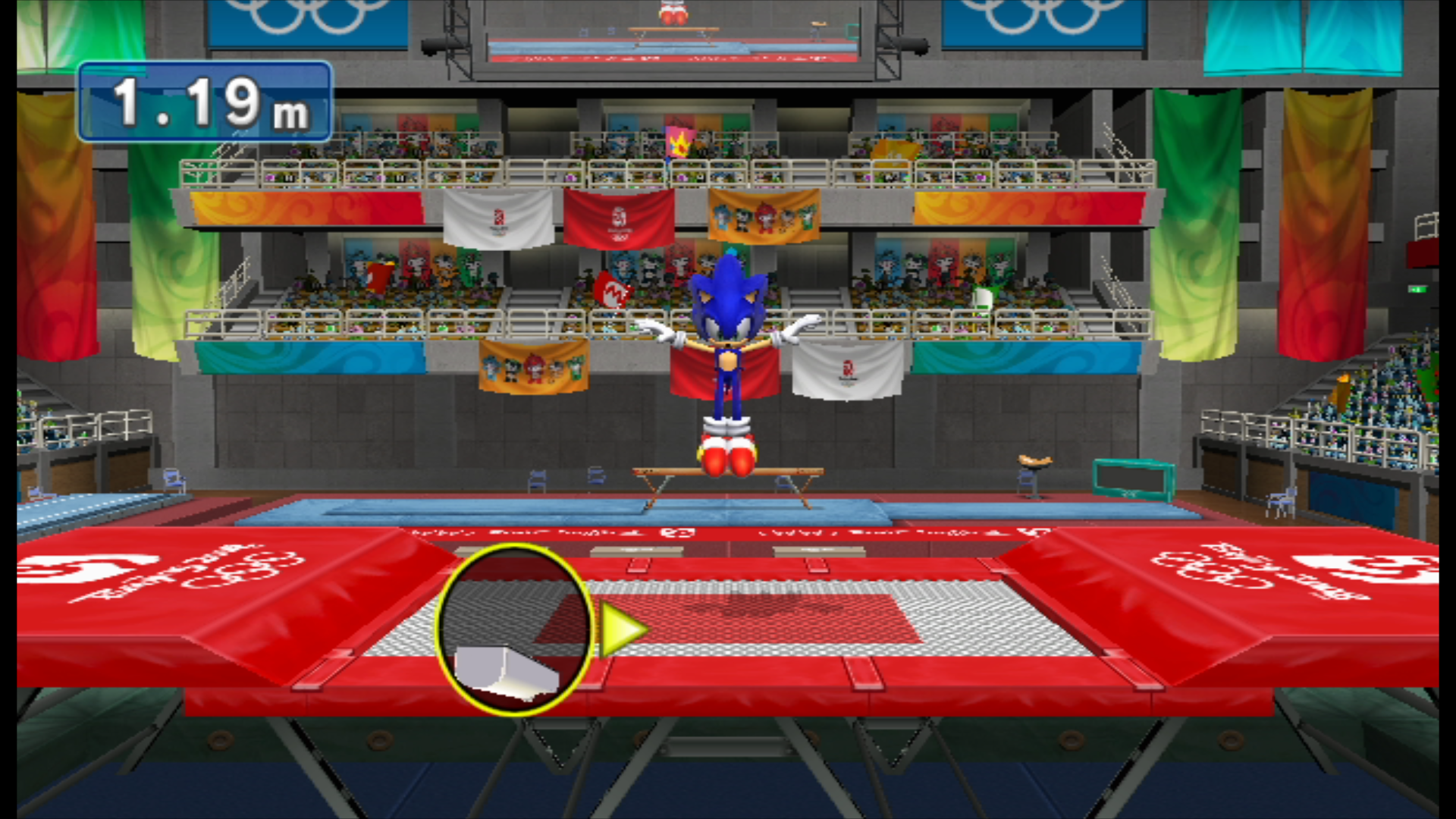
The athletics events give the competition its most obvious energy. The rapid movement involved in running makes the goal clear, and the difference between getting started well and maintaining the effort gives a short race some practical shape. I like an event that can communicate its result quickly and make the next attempt feel possible immediately. Not every repeated gesture stays enjoyable for long, though. Physical effort is not automatically the same thing as a good game decision, and a set of similar demands can begin to feel repetitive even when the sports have different names. That is why I prefer moving between different kinds of events rather than staying with one style for too long. The variety gives the package a useful rhythm. It allows a more direct physical contest to sit beside something that asks for a steadier hand or a different kind of timing, keeping the whole meeting more entertaining than one repeated action would be.
Events such as archery and table tennis change what the motion controls are being asked to do. I like that the game is willing to move between a quick burst of effort and a more measured action. The different demands make choosing the next event part of the pleasure rather than simply selecting another costume for the same minigame. The simplified handling also means the game can concentrate on the action it wants the player to perform. In table tennis, for example, the match does not require the same full movement control a conventional tennis game might. That is a sensible accommodation for the format, though it also establishes the limits of the experience. These are accessible versions of sports, not a collection of detailed simulations. I enjoy them most when they are judged on how well that specific action works, rather than on how much of the real discipline they have removed or how many rules a more serious game would contain.
The characters give the competition an identity beyond the Olympic branding. Mario, Sonic and the wider cast have different strengths, which makes selecting one more interesting than simply choosing a face. I like the way speed, power and skill can suggest a useful fit for an event without making the roster difficult to understand. The Dream Events are another welcome part of that identity. Their more exaggerated rules let the familiar worlds and abilities matter in a way the ordinary disciplines cannot always allow. I enjoy the mixture because the package does not have to choose between a straightforward sports meeting and a completely fantastical crossover. The qualification is that a recognizable character cannot make a weak event strong. I like the cast across the collection, but my desire to repeat a particular contest still depends on what it asks me to do and whether that action remains entertaining after the immediate appearance has become familiar.
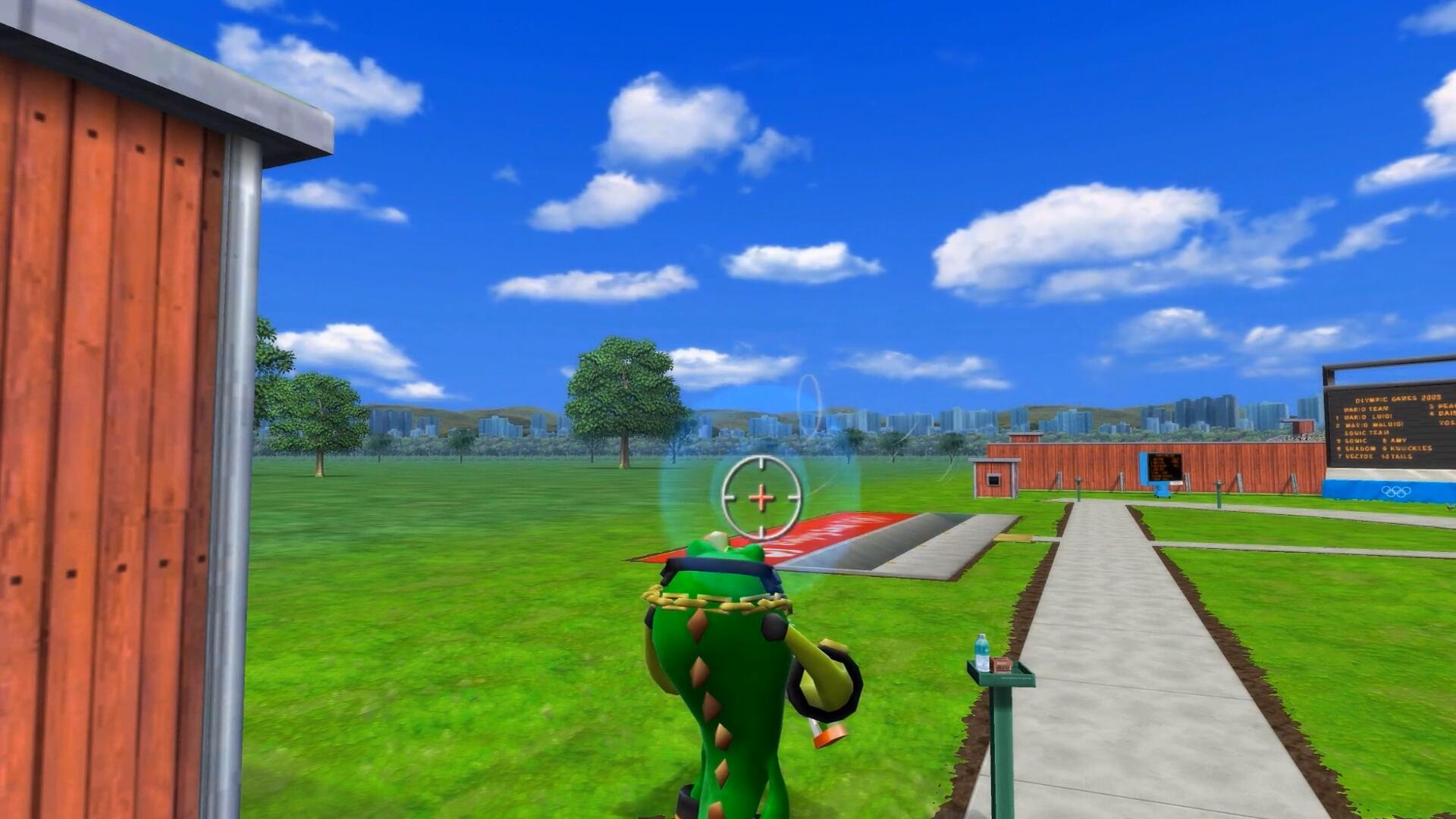
The circuits and mission goals provide useful ways to give the individual events a larger purpose. A short competition across several disciplines can be more appealing than choosing each one separately, and a focused mission can ask for something beyond an ordinary win. I like having both kinds of structure available without the game turning the sports meeting into a complicated progression system. The extra goals are most useful when they draw attention to an enjoyable part of the event. They are less persuasive when they simply require more repetition from an activity that was already thin. The presentation keeps the atmosphere cheerful, with familiar music and recognizable venues helping the events feel like part of the same occasion. That sense of occasion matters. It makes the game inviting even when I am only interested in a few events, though it does not turn the less interesting disciplines into a reason to chase every remaining objective equally.
I rate the Wii game seven out of ten because it makes its central meeting enjoyable without making every part of it equally lasting. The motion input gives the stronger events immediacy, the cast is appealing and the mix of regular and Dream competitions provides worthwhile variety. Repetitive gestures, uneven precision and some shallow activities keep the praise measured. I do not need this crossover to become a serious sports simulation or a major narrative adventure to find it worthwhile. I need a selection of contests that are easy to understand and entertaining to revisit, and a good part of the package does exactly that. The best approach for me is to enjoy the stronger events and let the variety keep the session moving. As a complete list to master endlessly, it is less convincing. As a cheerful, accessible Wii sports collection with two recognizable casts, it earns a clear positive recommendation with those limits understood.
Final thoughts
Mario & Sonic makes a cheerful, accessible sports collection out of its crossover. The stronger motion-controlled events and Dream variations are enjoyable, while repetition and uneven precision weaken others. I like the cast and the variety more than the depth of the full event list. 7/10.
Final score: 7/10.
Reviewed on Nintendo Wii. No review copy was provided.
 Mario & Sonic at the Tokyo 2020 Olympic Games Review
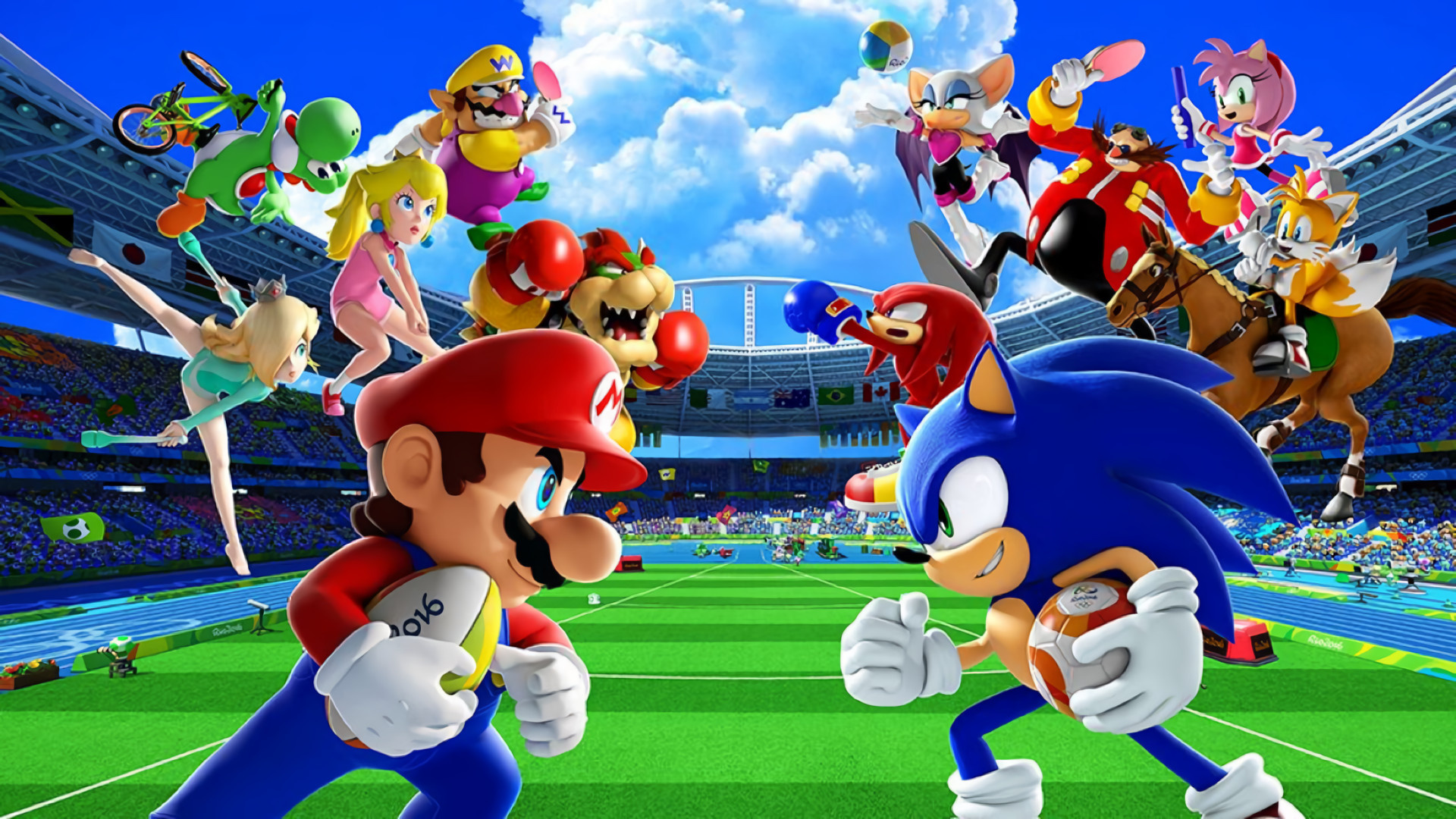 Mario & Sonic at the Rio 2016 Olympic Games Review
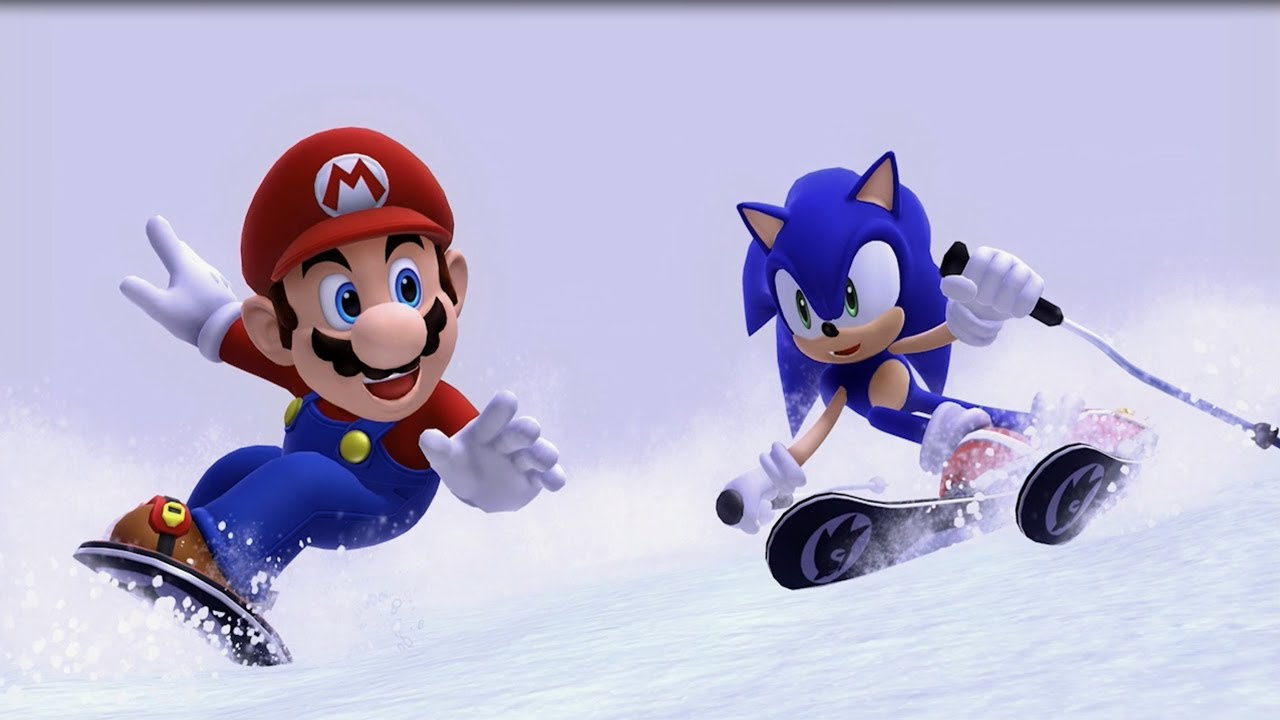 Mario & Sonic at the Sochi 2014 Olympic Winter Games Review