
An extraordinary action playground with a battle-royale foundation that keeps its variety meaningful
Fortnite is incredible because the variety around it rests on a core competition that is enjoyable in its simplest form. Choosing where to land, finding equipment and deciding how to cross the island can make an ordinary journey feel important before a shot has been fired. I love how quickly a quiet period of preparation can become a fight that asks for movement, positioning and a clear decision about the next risk. Ten out of ten is my score. The bright style and changing content give the game personality, but the reason I value it so highly is the interaction underneath those changes. Building and Zero Build offer different relationships with the same battle-royale pressure, and the game gives both approaches room to be worthwhile. It is energetic, flexible and full of reasons to improve, with a central loop strong enough to make the surrounding experimentation more than a collection of distractions.
The landing decision is a good example of how much the game can do before combat begins. A location changes the likely amount of equipment, the amount of immediate competition and the route that will be needed afterward. I like having that choice rather than beginning every match in exactly the same conditions. A busy start can offer quick action, while a quieter area can make preparation and travel more important. Neither approach guarantees the result, which keeps the decision interesting. The island is a shared space, so a plan has to account for what other people might want from it. That makes the opening feel active even when the character is still looking for a useful weapon or a better position. I love that the competition begins through a practical choice about place and risk, not only through the first direct confrontation. The setup is part of playing the match, not empty time before the real activity arrives.
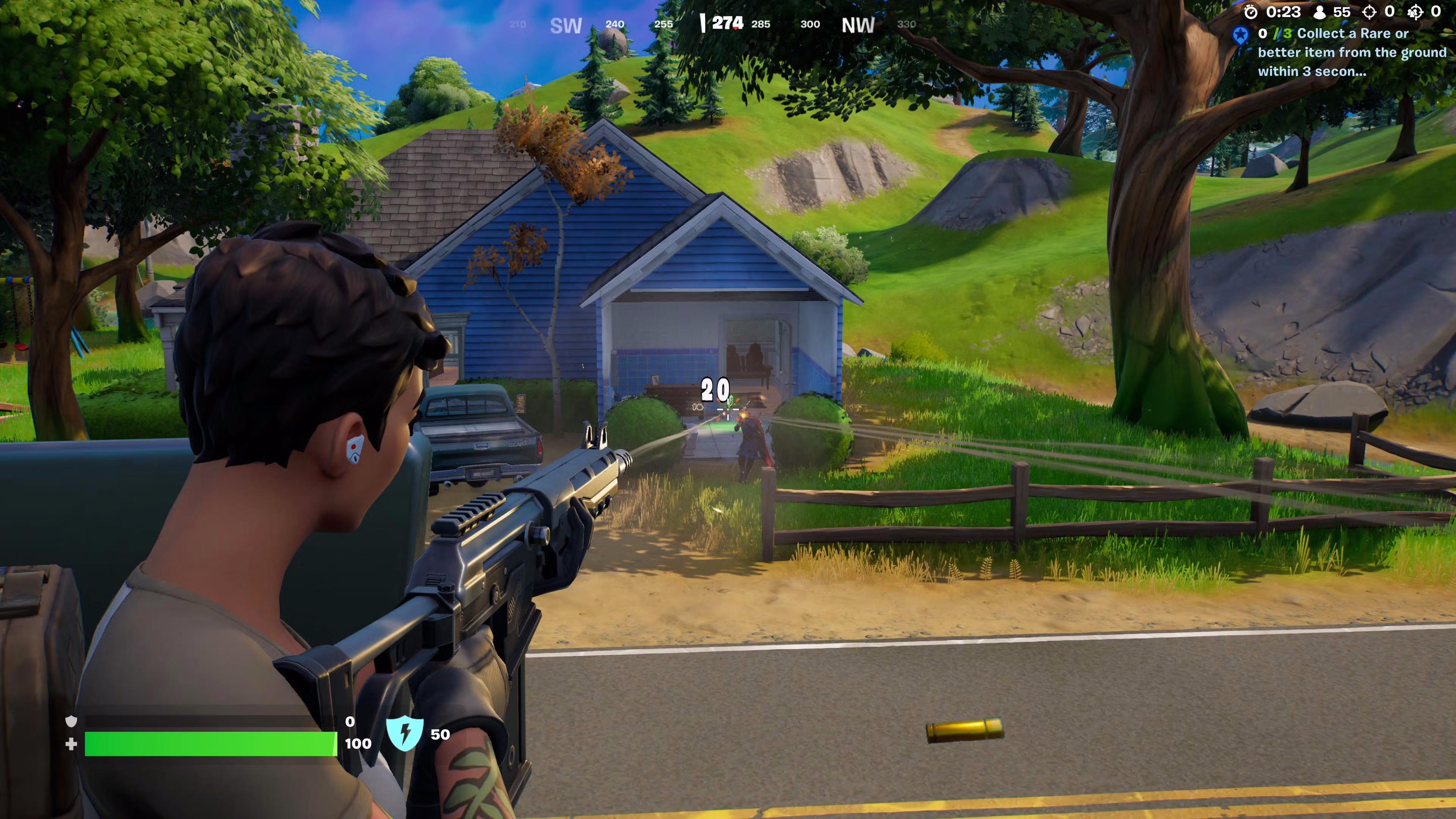
Gathering equipment gives that setup another useful rhythm. A weapon changes what kind of encounter is comfortable, while healing and other supplies affect how much risk can be accepted before another pause is needed. I enjoy the need to adapt rather than assume that the ideal loadout will appear exactly when wanted. That uncertainty makes a good decision about positioning more important, because the equipment available may suit one distance or approach better than another. The shooting is most satisfying when those considerations remain visible inside a fast encounter. A fight is not only about reacting to the person immediately ahead; it is also about whether the location, the route and the resources support staying there. The game makes preparation relevant without turning every decision into a menu exercise. The inventory has a practical consequence in the world, which helps the battle-royale structure feel coherent rather than a series of unrelated stages.
Building gives the combat a distinctive layer. Creating cover or a route means the environment can be changed as part of the response to a threat, so position is not entirely limited to what the island originally supplied. I love how much possibility that adds for someone who wants to learn it. A defensive action can become movement, and movement can create another opportunity to attack. That depth asks for practice, but the connection between a useful build and its immediate result makes the practice meaningful. Zero Build is equally important to my enthusiasm because it offers another clear way to enjoy the competition. Using the existing terrain and cover becomes more central when instant construction is removed. I like having a choice between those priorities without the game insisting that only one represents a valid experience. The two formats make the foundation more flexible, giving different kinds of players a reason to engage with its movement, shooting and survival pressure.
The shrinking safe area keeps the match developing. A comfortable location cannot remain the whole plan, and a route that looks safe now may need to be reconsidered as the space narrows. I enjoy that pressure because it makes travel part of the competition instead of a neutral interval between fights. Moving early, holding a useful position or taking another path can all be sensible depending on what the surrounding situation allows. The later stages give ordinary choices more weight without needing to change the basic controls. Solo play and squads also alter the meaning of those choices. A team can coordinate an approach or support a recovery, while solo play makes the same decision more personally exposed. I like that the game can produce different kinds of tension from the same island structure. The pressure comes from the interaction of space, equipment and opponents, which gives the final stages a clear reason to feel important.
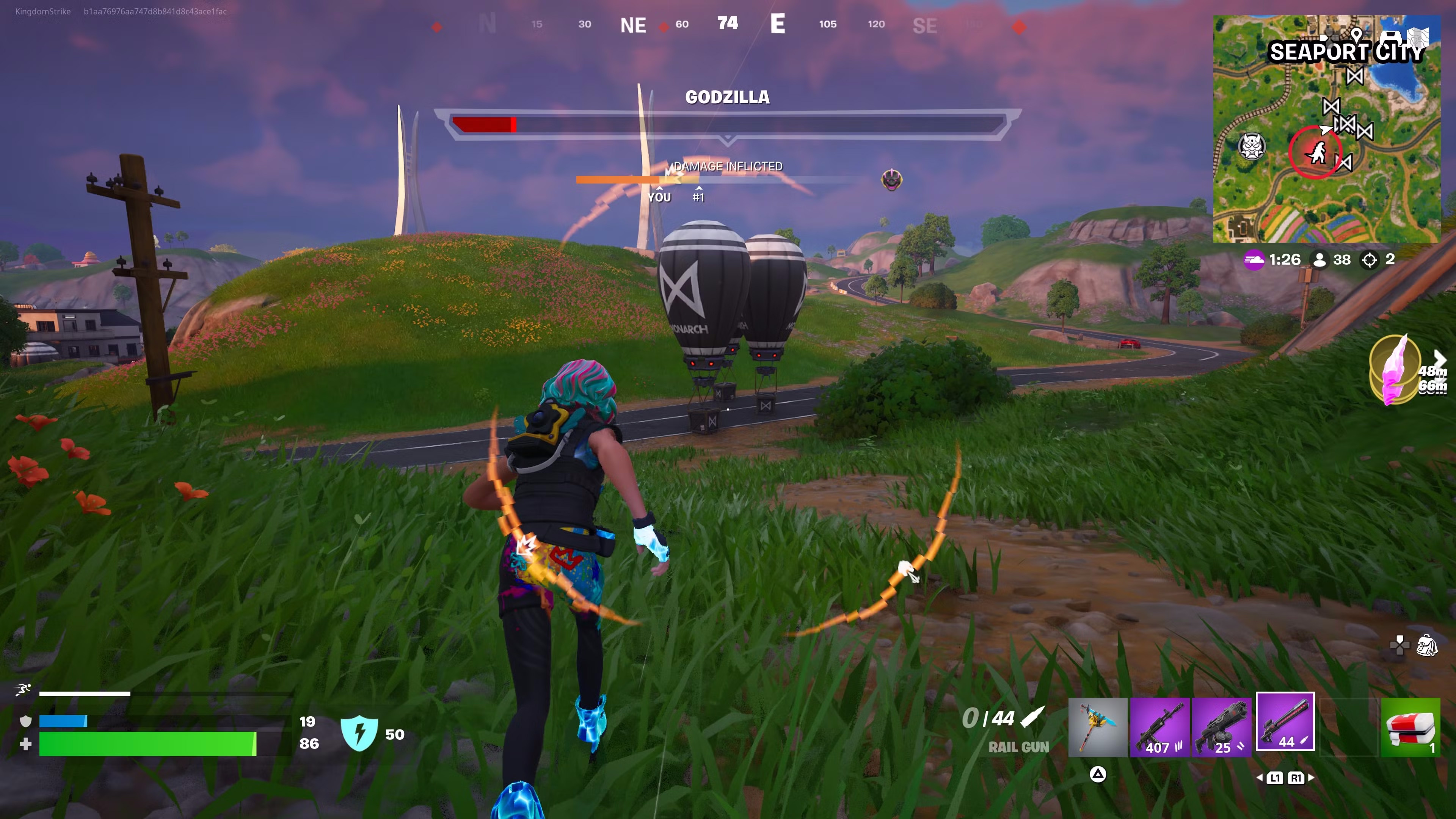
The presentation makes that competition inviting without making it meaningless. The expressive characters, bright environments and willingness to mix different visual ideas give Fortnite a recognizable personality, and I enjoy the sense that the world can change without losing its basic identity. The evolving content can be busy, and not every addition is equally relevant to what I most enjoy. Cosmetics and spectacle are not the reason I give the game a ten. They are supporting possibilities around a strong game. I like the social flexibility and the room for different kinds of play, but I still judge the experience by whether moving, fighting and making decisions feel worth returning to. The strongest changes give that familiar loop another interesting context. The core remains valuable even when a particular theme or extra is less appealing, which is why the game feels much more substantial than the sum of its latest collaborations or visual surprises.
I finish with a ten because Fortnite gives an accessible starting point an extraordinary amount of room to develop. The battle-royale structure makes preparation, travel and combat matter together, while building and Zero Build offer different ways to express skill inside that structure. I love the combination of immediate action and longer decisions about risk. The game is not made exceptional by the presence of a particular character or temporary event. It is exceptional because the underlying play remains enjoyable enough to support that much variety around it. The changing presentation, social options and expressive style give the package energy, while the competition supplies its lasting purpose. Ten out of ten reflects how strongly those qualities work for me. It is an exciting action game whose flexibility does not come at the expense of a clear and rewarding foundation, and that makes another attempt feel worthwhile for more than one reason.
Final thoughts
Fortnite has an outstanding battle-royale foundation, connecting landing choices, equipment, movement and combat into a rewarding competition. Building and Zero Build provide distinct ways to enjoy that depth, while the expressive style and evolving content add energy. I love its flexibility and the strength underneath it. 10/10.
Final score: 10/10.
Reviewed on PC. No review copy was provided.
 Onimusha: Way of the Sword Review
 Disney Speedstorm Review
 Zap Blastum Review