The slingshot puzzles still work, but the surrounding progression makes them less immediate
Angry Birds 2 is enjoyable when it concentrates on the reason the idea works: choosing a bird, judging a shot and watching a structure respond to the impact. The relationship between a small adjustment and a very different collapse is still satisfying, and I like the way different birds can turn the same arrangement into another kind of problem. My enthusiasm is more qualified around the longer progression and the repeated layers surrounding those puzzles. Six and a half is my score. The core remains appealing, but the complete package can feel busier and less immediate than I want from it. I enjoy making a useful shot more than managing another set of rewards or development requirements before the next interesting level. The game has enough quality in its central interaction to be worthwhile, while the surrounding structure makes the recommendation less straightforward than the clarity of the slingshot itself would suggest.
The physics is the strongest reason to keep playing. A tower is not only a target with a health bar; its materials, supports and arrangement give it a physical logic that can be read before the bird is released. I like looking for a useful point of contact rather than simply aiming at the nearest pig. A small opening can matter because it changes how the rest of the structure is supported. The result is satisfying when the collapse makes the decision visible. There is uncertainty in how the pieces move, which can create a funny surprise or a frustrating near-success. I enjoy that uncertainty more when the original shot still feels meaningful. The game works best when the next attempt suggests a practical change of angle or bird choice, not merely another hope that the same collision will happen to fall a little differently. That connection between observation and a better shot is the core appeal for me.
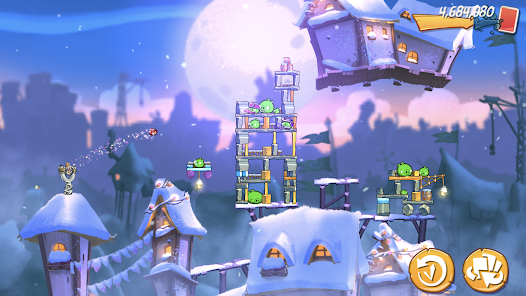
Choosing the bird adds a useful layer to that observation. Different abilities make a structure readable in different ways, so the available flock changes what a sensible plan looks like. I like having a choice about when to use a particular tool instead of treating the whole level as a single fixed sequence of shots. A stronger effect is not automatically the best response if another ability can reach the important support more efficiently. That makes the selection meaningful beyond the personality of the characters. The limitation is that the game can put several demands around the decision before it is allowed to stay simple. Progression and scoring power matter alongside the puzzle, which can make the result feel less directly connected to the quality of the idea. I enjoy the strategic choice of a bird. I am less enthusiastic when the wider development system becomes as noticeable as the physical problem the bird is meant to solve.
Multi-stage levels give the attempt a larger shape. A useful shot in one section affects what remains available for the next, so the task becomes more than solving one isolated tower. I appreciate that change because it makes efficiency matter across the level rather than only inside a single arrangement. The downside is how a weak result can make the rest of the attempt feel less promising, especially when the most interesting question is in a section that has to be reached again. A longer challenge needs enough variety to justify repeating its earlier parts. Angry Birds 2 has levels where that progression works well, and others where I become more aware of the repeated setup than the next useful shot. The structure gives the game substance without making every part of that substance equally enjoyable. I like a sequence that connects several good puzzles. I like it less when the sequence makes one awkward puzzle more costly to reconsider.
Developing the birds gives the game a long-term direction, with scoring power and collection goals providing reasons to return beyond clearing the next ordinary level. I can appreciate the intention to make a preferred flock feel more personal and more capable. My reservation is that the central puzzle does not always benefit from the extra layers. A stronger bird can change the practical result, but the improvement I most enjoy is still a better decision about the shot. I want the game to keep that distinction clear. Gathering feathers or another reward can be useful without being an activity I find as engaging as solving a physical arrangement. The longer progression becomes less appealing when it turns another level into a means of maintaining the roster rather than an interesting problem in itself. The game is not empty of good puzzles. It simply surrounds them with a routine that can weaken their immediacy.
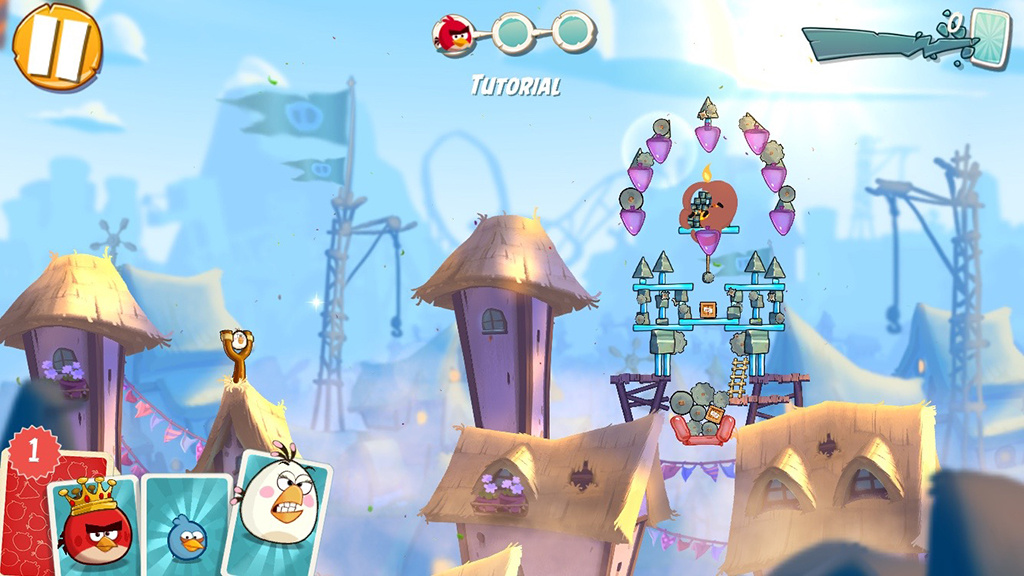
The characters and presentation remain charming. The birds have clear identities, the pigs make the results easy to read and the exaggerated destruction gives a failed or successful shot some humor. I like that the game can communicate most of its premise through the screen without needing a complicated explanation. The additional challenges, competitive activities and collection layers give the package breadth, but I do not value all of them equally. More reasons to return are useful only when I want to carry out the activity they require. My favorite moments still come from the ordinary sequence of inspecting a structure, selecting a useful bird and making a shot that produces an understandable result. The presentation supports that sequence well. The surrounding quantity can make it feel less focused, which is frustrating precisely because the central idea is so clear and so easy to enjoy when it is allowed to take the lead.
I finish Angry Birds 2 with a mixed but positive opinion. Its physical puzzles, bird abilities and multi-stage planning give the familiar idea enough substance to remain worthwhile. I enjoy the connection between a better observation and a more useful collapse, and the characters make those results entertaining to watch. The repeated progression and crowded set of surrounding activities keep the whole package from feeling as immediate as I want. Six and a half out of ten reflects how much I like the core without pretending that every layer improves it. The game is strongest when a new level presents a clear problem and gives the player a satisfying way to solve it. It is weaker when the next reward or development requirement becomes more important than that problem. There is still good slingshot play here, but the route toward enjoying it is more complicated than its simple foundation needs.
Final thoughts
Angry Birds 2 retains satisfying physical puzzles and meaningful bird choices, with multi-stage levels adding useful planning. Long-term development and busy surrounding activities make the experience less immediate. I enjoy the slingshot core more consistently than the progression wrapped around it. 6.5/10.
Final score: 6.5/10.
Reviewed on iOS using iPhone 13 Pro Max. No review copy was provided.
 Onimusha: Way of the Sword Review
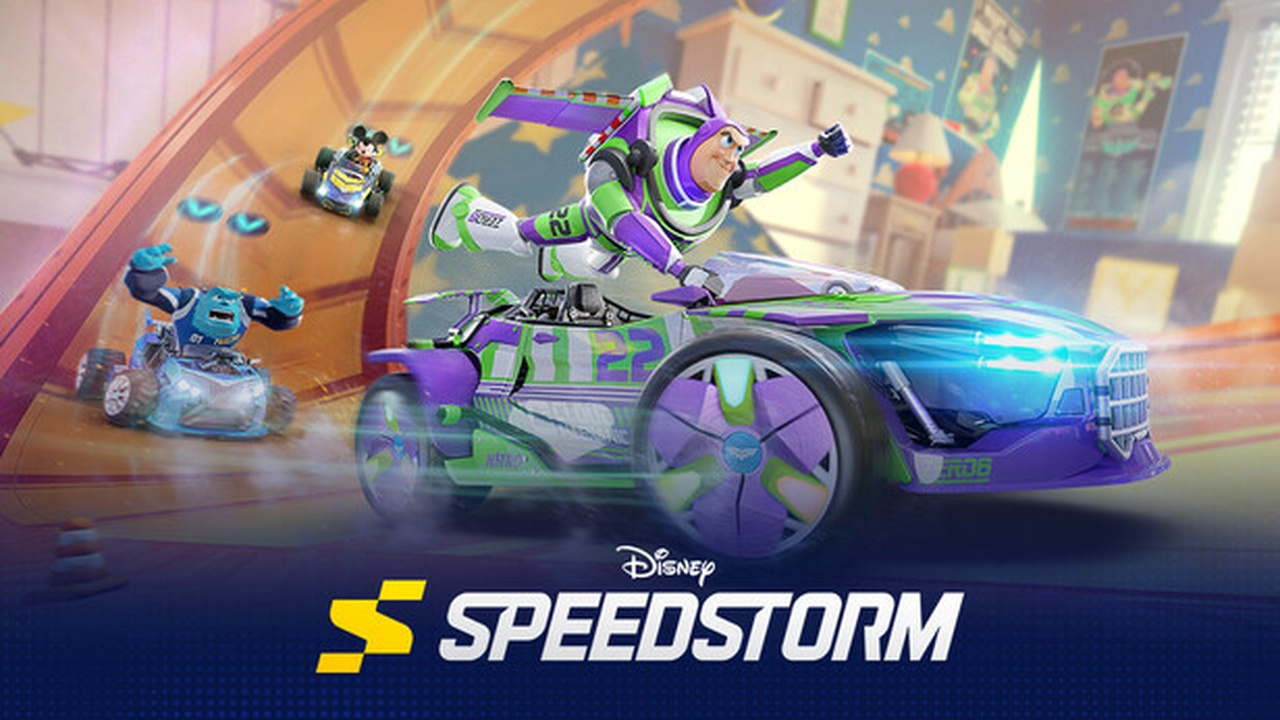 Disney Speedstorm Review
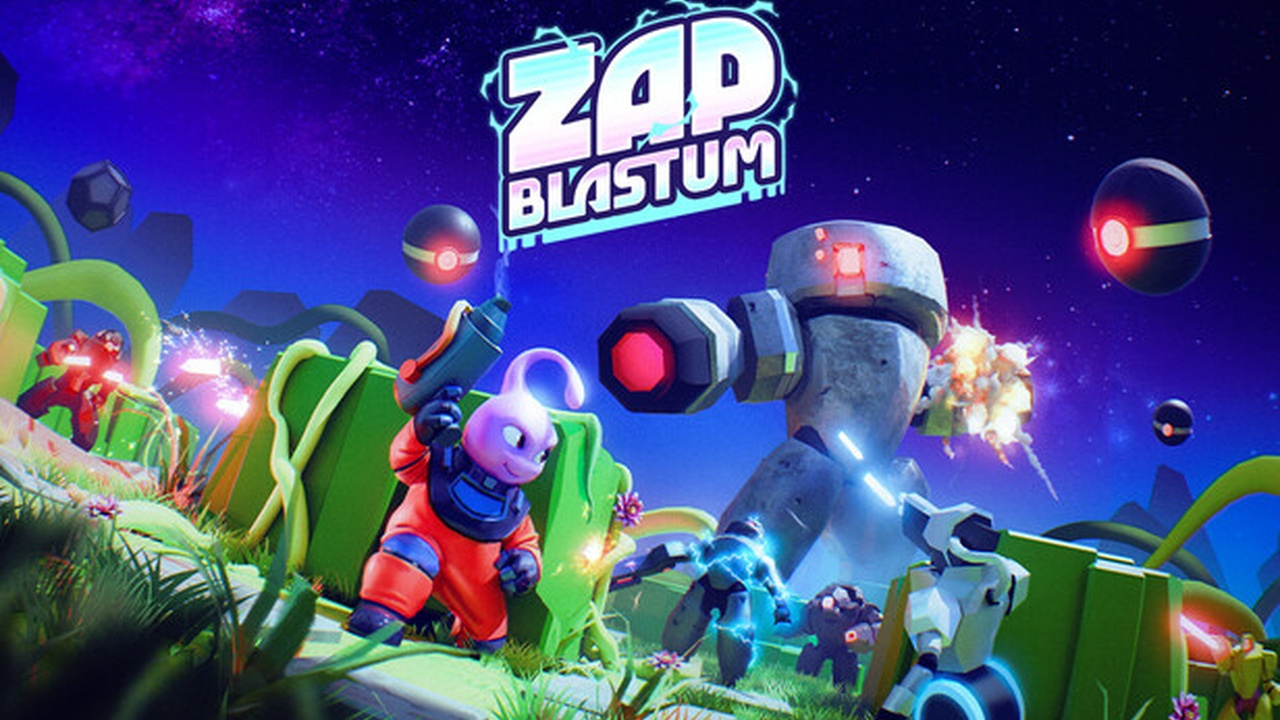 Zap Blastum Review