A pleasant musical activity toy whose simple ideas fit Tails better than a full game structure
Tails and the Music Maker is an appealing idea for the Sega Pico because the hardware can make sound something to point at and interact with. Tails gives the activities a familiar guide, while the Storyware pages organize a collection concerned with music rather than ordinary platforming. I like that the program has a clear subject and uses the character in a way that fits the more exploratory format. It is a gentle, occasionally enjoyable musical toy, although I do not find the activities substantial enough to support a strong recommendation for their play alone. My interest is divided between the novelty of the Pico presentation and the small pleasures of interacting with the musical material. Some of those pleasures work well. Others feel too slight to hold much attention. A six reflects a program with an inviting purpose and some understandable ideas, but a fairly limited amount of enjoyment in the actual sequence of activities.
The six Storyware pages give the collection its structure. Moving to another page changes the active setting and the activities available, linking the screen to the physical format of the Pico. I appreciate that relationship. It makes selecting another part of the program feel different from simply moving through a list of menu options. The page can suggest a scene, and the pen provides a way to look for something within that scene to interact with. That suits a small musical toy well because the experience does not need to depend on reaching a final challenge. The main attraction is seeing and hearing what the different parts do. For me, however, that format is more consistently interesting than the individual activities it contains. The physical connection gives the collection a personality, but it cannot make every small interaction equally enjoyable. I like the framework while finding the contents more variable in their appeal.
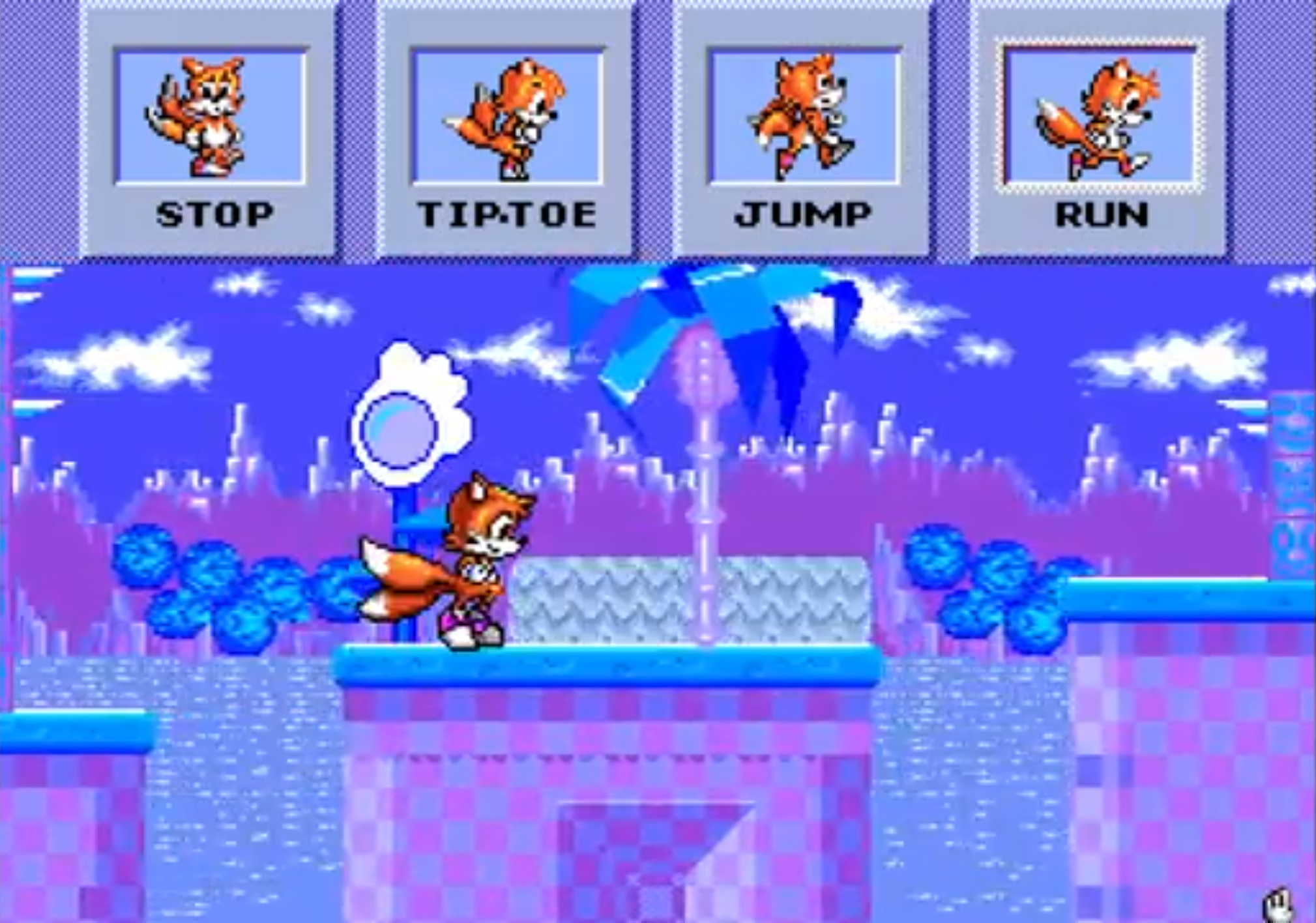
The Magic Pen and directional controls provide the practical link to those activities. Pointing, selecting and responding to what is on a page can make a musical idea less abstract than a line of explanation. I like the attempt to give the player a direct relationship with the scene. A visible object that responds with sound can create a useful connection between an action and its result. My enjoyment depends on how much that connection invites another action. When a small interaction is appealing on its own, the program feels like a playful collection of things to discover. When it is less interesting, the same format can feel like moving from one brief response to another. That is the main limitation for me. I do not need complicated rules in this kind of software, but I want the simple responses to make looking around feel rewarding rather than merely occupied.
The subject matter gives the collection more direction than an entirely miscellaneous set of activities would have. Scales, rhythm, tempo and instruments provide related ideas to explore, and matching music with instruments gives the sounds a recognizable context. I appreciate that the program is trying to connect what is heard with something understandable on screen. It is not simply using music as a background to an unrelated game. At the same time, I would not treat the presence of those subjects as proof of a particular educational result. My reaction is to the activities as a player: some are pleasant to interact with, while others feel too small to become especially involving. The musical focus gives the program a worthwhile identity, but it does not remove the need for the interactions themselves to be enjoyable. I like the intention more consistently than I enjoy every part of its execution.
The large keyboard scene is an especially clear expression of that intention. Labelled keys and visible instruments make the relationship with musical sound easy to recognize, while changing tempo gives the material another quality to consider. I like having an interaction that can affect how something sounds rather than only trigger a fixed decorative response. It makes the program feel closer to a musical toy and gives the player a small opportunity to experiment. The ability to create music is part of the attraction too, even though the package remains far smaller and more playful than a dedicated music tool. My reservation is about how much the available activity makes me want to stay with it. A clear idea can be satisfying to understand while offering only a modest amount of pleasure in repetition. The keyboard and tempo choices are good fits for the subject, but they do not turn the whole package into something I find deeply engaging.
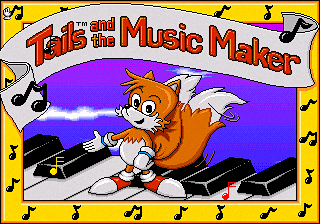
The familiar scenery helps make the pages inviting. Green Hill-style surroundings, Tails' presence and small character interactions give the musical material a recognizable Sonic-world personality. I enjoy that connection when it supports curiosity about the scene rather than trying to reproduce a platforming stage. The character does not need to be racing through danger for his presence to make sense here. A gentler format can use the same visual identity for a different purpose. What limits the package for me is that recognition sometimes provides more enjoyment than the activity it introduces. I am pleased to see a familiar setting, then less interested in repeating the response available within it. That is not enough to make the program unpleasant overall, but it keeps the experience fairly light. The presentation makes it approachable and charming, while leaving the amount of satisfying interaction dependent on a handful of small musical ideas.
I come away from Tails and the Music Maker liking its purpose and format more than I like its staying power. The page-based structure, visible keyboard and connection between sounds and instruments are sensible ways to turn music into an interactive toy. Tails and the familiar scenery give those ideas a friendly identity. The activities themselves do not all provide enough enjoyment to make me enthusiastic about the complete package. I find it pleasant in parts and interesting as a specific use of the Pico, rather than something I would recommend strongly as a game. A six captures that moderate reaction. There are worthwhile little interactions here, especially when a sound can be changed or related to something visible, but the experience remains too slight to become especially compelling for me. The invitation to experiment is appealing; I simply want more satisfaction from the experiments it makes available.
Final thoughts
I like the musical focus and the way the pages and pen make sounds something to interact with. The keyboard, tempo choices and familiar Tails presentation give the program some pleasant appeal. The activities are too slight and uneven in their enjoyment to make the whole package particularly compelling for me. It is a modest, occasionally charming 6/10 as a musical activity toy.
Final score: 6/10.
Reviewed on Sega Pico. No review copy was provided.
 The Murder of Sonic the Hedgehog Review
 Sonic and the Black Knight Review
 Sonic and the Secret Rings Review