A lively new Monkey Ball adventure whose Spin Dash creates genuinely useful possibilities
Super Monkey Ball Banana Rumble is very enjoyable because it gives the familiar rolling challenge a new action that changes how a stage can be understood. The Spin Dash is not only a faster animation. It can create another route, make an obstacle crossable or turn a small patch of terrain into a more interesting opportunity. I love that the addition belongs to the movement rather than sitting outside it as a separate distraction. Eight and a half is my score. The adventure has plenty of new stages worth learning, and the cooperative and competitive options give the package more than one mood. The multiplayer side is less consistently appealing to me than the focused stage work, and some difficult sections can still become frustrating. Those are clear qualifications to a game I like strongly. The central rolling remains satisfying, while the new tool gives it enough fresh possibilities to make this feel like a worthwhile step forward rather than another familiar collection.
The ordinary movement is still where the game has to earn its recommendation. Steering a ball through a narrow route asks for care with speed and direction, and I like how a small adjustment can visibly change the result. The controls do not need to become complicated for a stage to become demanding. The layout creates the problem, and learning to read that layout makes the next attempt more informed. Banana Rumble has a good sense of how to make that learning enjoyable. A wide section can invite momentum, while another can demand restraint before the same speed becomes a mistake. I enjoy that contrast because it makes movement an active decision rather than only a test of whether the stick can be held steadily. The familiar Monkey Ball foundation works when the environment keeps giving a simple action another purpose. Here the new stages provide enough of those purposes to make the adventure feel lively and worth exploring.
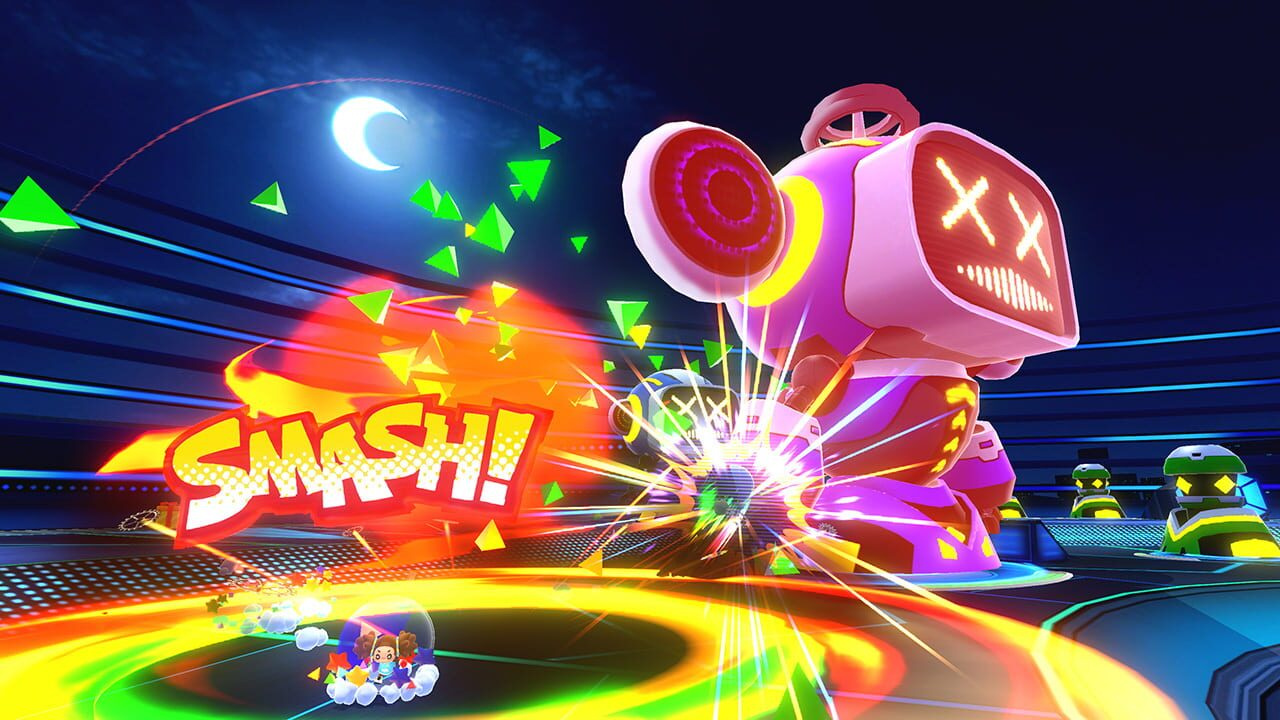
Spin Dash is the most important change to that foundation. Charging a burst and choosing where to release it adds a deliberate action to a system normally dominated by continuous adjustment. I like having to consider not only the line but the moment when a larger amount of speed will be useful. A shortcut can become a reward for understanding the space rather than only a hidden route waiting to be noticed. The ability also gives obstacles another scale, allowing a gap or a raised section to suggest a possible solution. It does not make every difficult layout harmless, and it can create its own reason to be cautious about where the ball will end up. That is a positive for me. The move adds a tool rather than simply removing the challenge. Its best uses make the stage more interesting to learn, which is exactly the kind of addition I want from a new entry in this format.
The new stage selection makes good use of that possibility. I like seeing the same basic rules produce different demands through slopes, moving surfaces and routes that reward another approach. A level can be short without being slight if the space has been designed around a clear problem. The adventure understands that strength. It gives the game a steady rhythm of arriving at a new arrangement, working out its demand and seeing how the Spin Dash might fit into a better solution. Some stages are more enjoyable than others, and a demanding section can still become repetitive when the opening has to be crossed again before the difficult part can be practiced. I do not think every failure is automatically fun. The stronger layouts make the next attempt appealing because they suggest a useful change. Enough of the adventure reaches that standard that the challenge feels rewarding much more often than it feels like an obstacle to enjoying the game.
Cooperative Adventure play is a welcome option because it allows the main stages to be shared instead of reserving multiplayer entirely for another set of rules. I like that the package can offer a choice about the mood of the same content. A focused solo attempt and a shared trip through a stage do not have to provide exactly the same kind of satisfaction. The important point is that the stages remain the center of the experience. The new action and the route design still matter even when another player is present. I value that more than simply adding a larger number to a multiplayer description. The format needs to provide something worth doing together. Here the adventure's movement already has enough appeal to support the option. I would still recommend the stage design as the clearest reason to play, while appreciating that the game gives it another social context rather than keeping the main challenge isolated from the rest of the package.
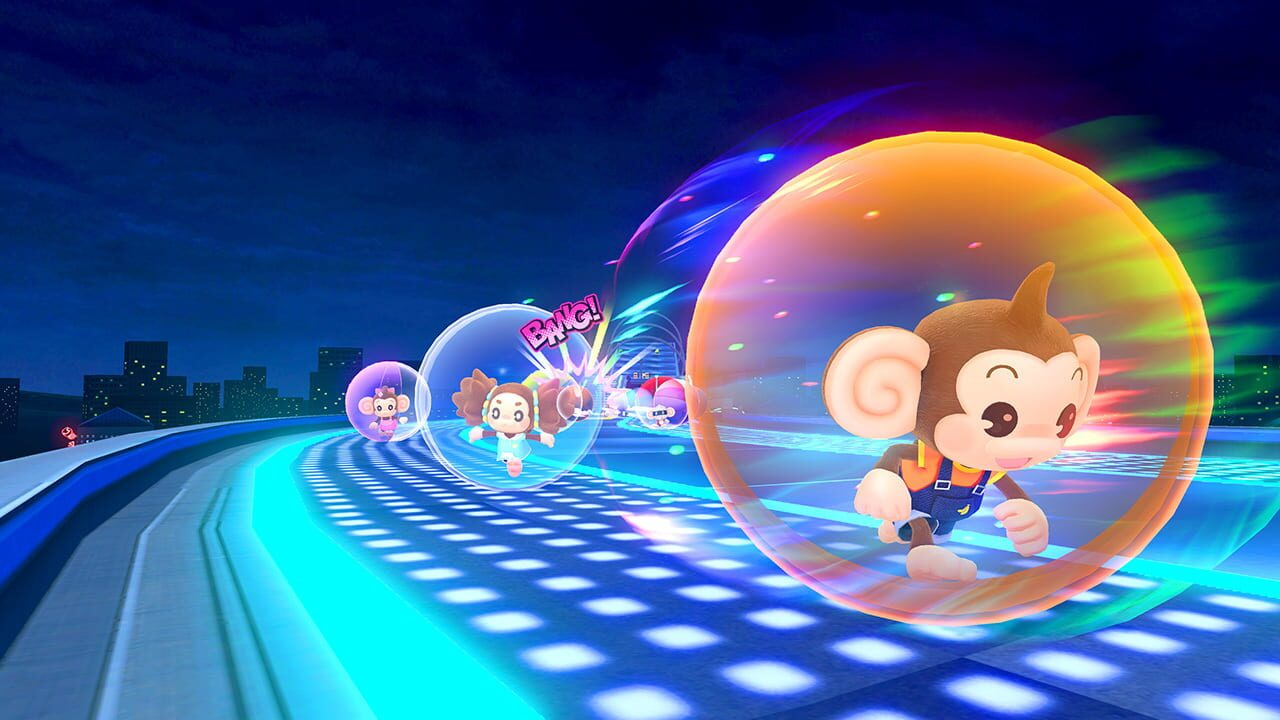
Battle Mode is a different proposition, with larger groups and more chaotic competition. I enjoy the willingness to give the rolling another purpose, and the different objectives make the package broader than the main adventure alone. I am less consistently enthusiastic about this side because the focused satisfaction of reading a route can become less important beside the crowd and the surrounding disruption. The chaos can be entertaining without producing the same clear sense of improvement. That does not make the addition worthless. It gives the game another mood and another reason to be played with a group, while the adventure remains available when a more deliberate challenge is wanted. The bright presentation supports both approaches well. The characters and colorful worlds make the game inviting to look at, and the new abilities give that cheerful surface something practical to rest on. I just find the authored stages much more compelling than the larger competitive spectacle.
I finish Banana Rumble at eight and a half because the game has a strong central idea and uses its new tool well. The rolling is satisfying, the stages have useful variety and Spin Dash creates another reason to inspect a route rather than simply cross it in the obvious way. The cooperative option makes the adventure more flexible, while the competitive side adds breadth even if I do not enjoy it as consistently. Difficult sections and repeated attempts remain part of the experience, but the movement gives most of that learning a worthwhile payoff. I like the confidence of a new entry that changes the interaction without forgetting why the original interaction works. The result is a very good Monkey Ball game with an identity of its own. It gives a familiar foundation enough new possibilities to make another stage feel exciting, and that matters much more to me than merely offering another long list of things to complete.
Final thoughts
Banana Rumble combines satisfying rolling with new stages that make the Spin Dash genuinely useful. The authored adventure is the strongest part, while cooperative and competitive options broaden the package. Some difficulty and multiplayer chaos are less appealing, but the core is very good. 8.5/10.
Final score: 8.5/10.
Reviewed on Nintendo Switch. No review copy was provided.
 Super Monkey Ball Banana Mania Review
 Super Monkey Ball Banana Blitz HD Review
 Super Battle Golf Review