A generous return to precision rolling that remains wonderfully satisfying to learn
Super Monkey Ball Banana Mania is very good because the simplest explanation of its play still leaves room for an enormous amount of skill. Tilt the stage, guide the ball and reach the goal sounds immediately understandable, but speed, balance and the shape of the route make every small correction matter. I love how visible improvement can be. A section that looks unreasonable at first can become readable once its slope and momentum are understood. Eight and a half is my score. The collection gives that central pleasure a generous amount of material, with classic stages and party diversions offering different reasons to stay. It is not equally comfortable in every situation, and some of the more demanding layouts can be frustrating rather than inviting. Those qualifications matter without taking away the appeal. The game has a clear, rewarding foundation, and the quantity of well-designed challenges gives that foundation plenty of opportunities to show why it works.
The rolling is the important part. A small adjustment can change the line through a corner or the amount of speed carried onto a narrow section, so movement becomes a continuous act of observation and response. I like that the game does not need a large set of buttons to feel substantial. The available action is simple, while the environment creates the complexity. That makes a clean run satisfying in a very direct way. I can see what the ball did and understand why a different correction might have produced a better result. The bright presentation does not make the challenge harmless. Losing control near an edge can end an attempt quickly, and some stages ask for a great deal of patience. I enjoy the skill enough that the pressure usually feels worthwhile. The game is strongest when the next attempt suggests a practical adjustment instead of leaving the failure feeling completely mysterious.
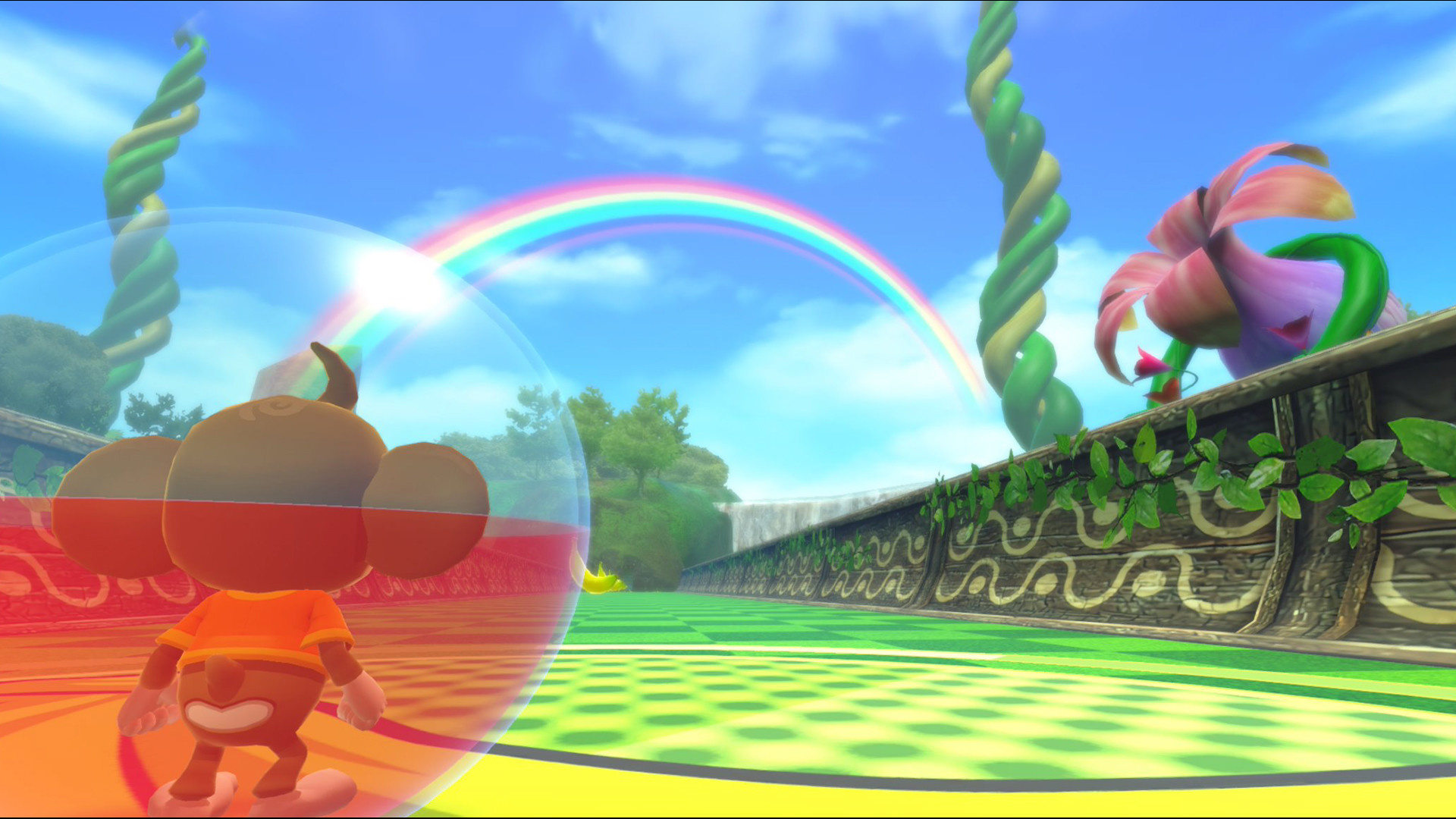
The stage collection gives the system useful variety. A narrow path asks for a different kind of care from a broad slope that encourages speed, and moving obstacles can turn a simple route into a timing problem. I like how a level can change its demand without changing the basic controls. It makes the game feel consistent while still giving another stage a distinct purpose. Bringing together material from the early Monkey Ball games also means there is a substantial range to explore rather than only a short demonstration of the idea. I would not call every stage equally enjoyable. Some are easier to admire as a difficult construction than to enjoy carrying out repeatedly. The better ones make the connection between momentum and route so clear that another try feels immediately appealing. That is the quality I value most, and the package contains enough of it to make the larger selection feel worthwhile rather than merely large.
The difficulty is both an attraction and a qualification. Precision play is satisfying because the game gives a reason for precision to matter, and I do not want every narrow route widened until the ball can be guided without much thought. I do want the challenge to remain readable enough that practice has a clear purpose. Banana Mania often delivers that kind of difficulty, turning patience and observation into a better understanding of the stage. It can also become demanding in ways that make the next attempt less welcome, particularly when a mistake near the end means repeating a familiar opening before the actual problem can be reconsidered. I accept a degree of repetition in this format because the controls make improvement enjoyable. I am less enthusiastic about the moments when the repeated setup becomes more noticeable than the decision I am trying to improve. That is why my recommendation is strong rather than unconditional.
The party games give the package another kind of appeal. Racing, bowling and the other diversions are a useful change from the focused pressure of the main stages, allowing the same cheerful identity to support a different mood. I like having those options available without treating every one as equally substantial. The main recommendation still comes from rolling through the authored stages. The extras are welcome because they broaden a package whose central activity already works, not because they are needed to distract from a weak foundation. The character options and customization have a similar role. It is pleasant to choose an appearance, but the ball and the route remain the important relationship. I appreciate that the game has room for playful expression around a demanding core. Its bright style makes it approachable to look at, while the actual challenges give someone willing to learn a good reason to spend more time with it.
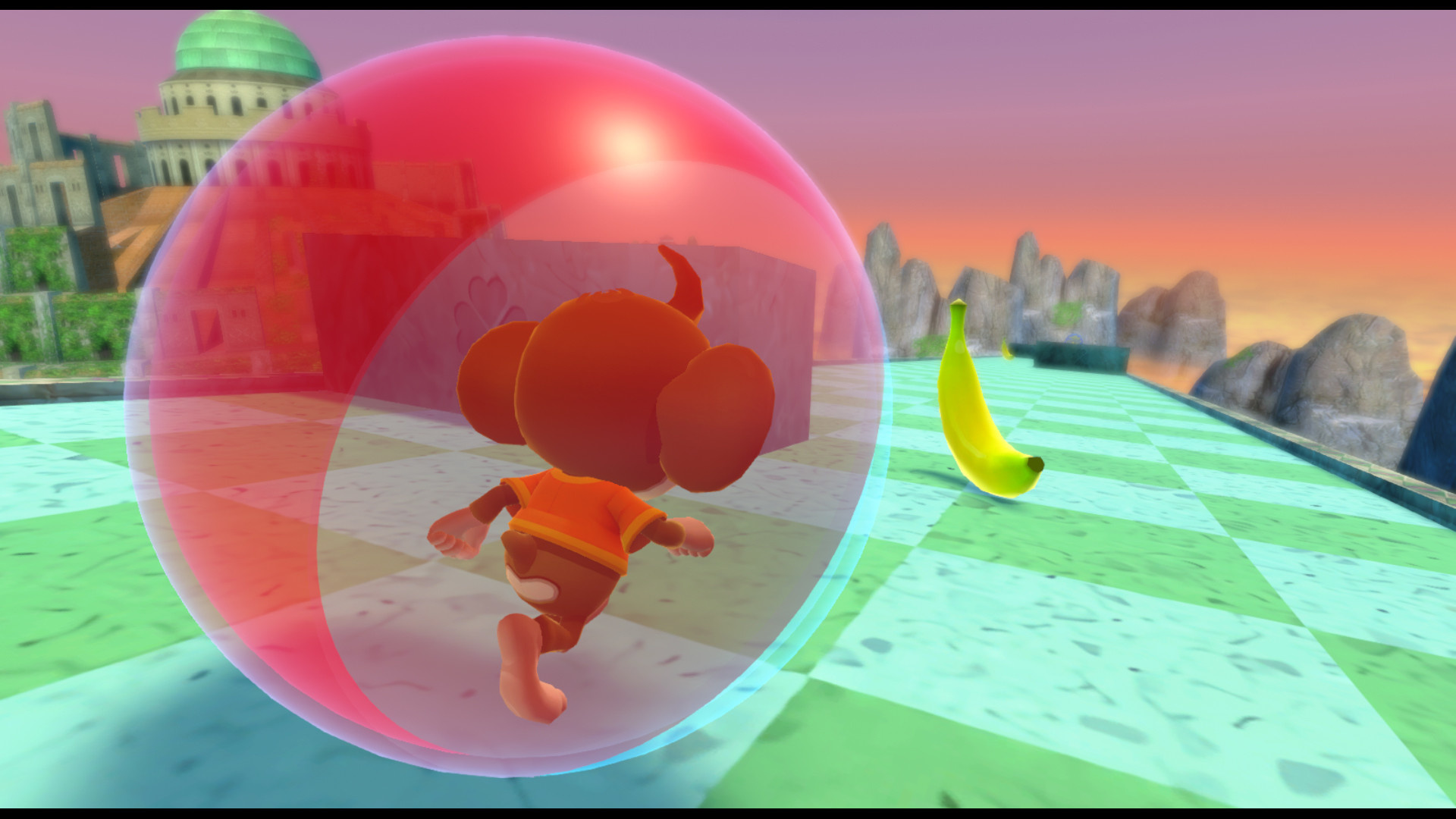
The presentation helps keep the large selection inviting. Colorful environments, recognizable characters and a clear goal make it easy to understand what a stage is asking for before the details of its route become difficult. I like how the game can be cheerful without disguising the fact that a careful action may be required. The visual identity also makes repeated attempts less austere than a purely abstract challenge would feel. My reservation is that a modern presentation of classic material still needs to feel comfortable in its controls and viewing angles. Not every section reaches the same level of ease or clarity, and some adjustments take more concentration than the surrounding stage suggests. Those are meaningful rough spots in a game so dependent on precision. The core remains enjoyable enough that they do not dominate my opinion, but I would not pretend that the package has removed every source of frustration from its older designs.
I finish Banana Mania with a strong recommendation because its best quality is both simple and durable. Guiding a ball through a well-designed space is enjoyable to learn, and the collection gives that idea a substantial range of situations. I like the visible improvement, the variety of routes and the contrast between focused stage play and lighter party options. The difficulty can become frustrating, and not every layout or viewing moment is equally comfortable. Eight and a half out of ten reflects those reservations without weakening the overall enthusiasm. The game has enough precision, personality and useful variety to make another attempt feel worth choosing. I do not need every challenge to be easy to enjoy the package. I need the act of getting better to be satisfying, and Banana Mania provides that satisfaction often enough to make its return to these classic stages a very good experience.
Final thoughts
Banana Mania gives precision rolling a generous range of classic stages and useful party diversions. Learning momentum and making a cleaner run is wonderfully satisfying, although some layouts and difficulty spikes can test patience. The strong core and varied collection make this easy to recommend. 8.5/10.
Final score: 8.5/10.
Reviewed on PC. No review copy was provided.
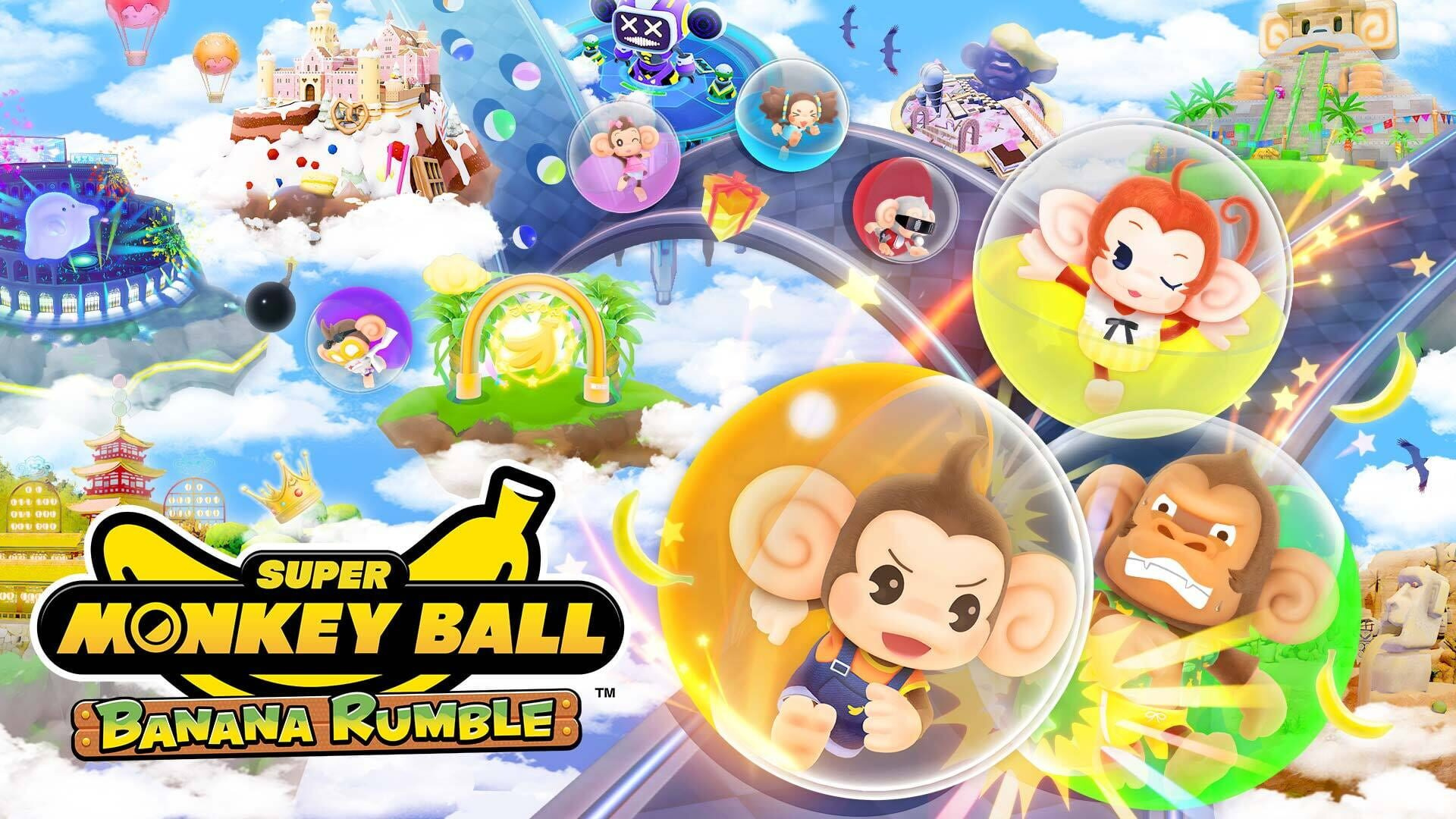 Super Monkey Ball Banana Rumble Review
 Super Monkey Ball Banana Blitz HD Review
 Super Battle Golf Review