
A distinct PS2 world adventure that makes both sides of Sonic a joy to play
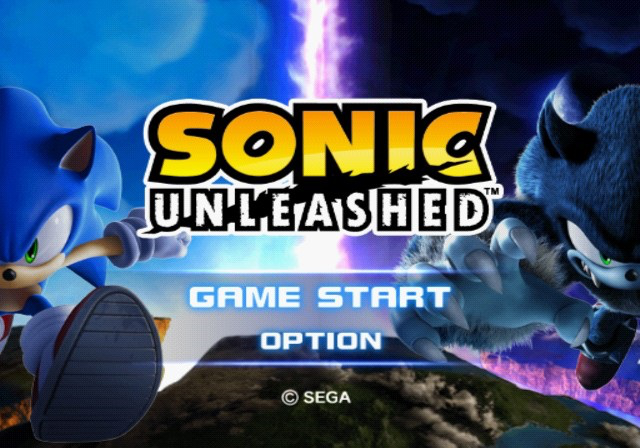
Sonic Unleashed on PS2 deserves to be treated as its own version of the adventure, and I love what it does with the day-and-night premise. It shares the broad journey and the transformation with the more powerful-console release, but its stages and progression have their own shape. That difference is part of the appeal for me. The daytime action is exciting, the Werehog gives the game another kind of movement and fighting, and the world-travel presentation makes both feel part of a warm, colorful journey. Ten out of ten is my score. I enjoy the whole package rather than seeing one half as something to tolerate before the other returns. The PS2 game gives me a distinct way to experience an idea I already find wonderful, with routes and challenges that make it worth appreciating on its own terms instead of measuring every section by how closely it resembles another version.
The daytime stages have the lively forward movement I want from Unleashed. Boosting gives an open stretch a wonderful sense of commitment, while the different obstacles and transitions make the route something to learn rather than simply watch. I love how the stage can move between a large three-dimensional impression and a more direct side-on section without losing its pace. The route is the attraction. A clean jump, a well-handled turn or a useful attack chain can make the next stretch feel connected to what came before. The PS2 layouts have their own identity, which is why I do not treat this as only a reduced copy of the HD game. It offers another set of opportunities to read and improve. I enjoy a Sonic stage that has an immediate spectacle and still becomes more satisfying when its line is understood, and these stages give me that pleasure in a focused, energetic form.
The boost structure makes rings and attack chains useful to that flow. I like how the game connects a successful action to the possibility of carrying the speed into another section, rather than treating every part of the route as a separate little task. That gives a run a rhythm I find exciting to improve. The appeal is not only reaching the goal but making the stage feel more coherent through the way it is handled. A familiar route can still offer another reason to try it because the next transition might be cleaner or the movement might be maintained more confidently. I love that kind of replay value. It comes from the actual stage rather than a menu promising another reward for repeating it. The scoring and goals can support the next attempt, but the movement is already strong enough to make that attempt attractive. That is a major reason this version earns such an enthusiastic recommendation from me.
The Werehog stages provide a different pleasure rather than a weaker imitation of the daytime action. I enjoy the heavier movement, the stretchable arms and the way fighting sits beside climbing and more careful platforming. A ledge or a gap becomes something to approach deliberately, while a group of enemies gives the attacks another kind of space to work in. I like how clearly the transformation changes the purpose of the next action. The game is not asking the same fast character to move slowly for no reason. It gives the nighttime form abilities that belong to a different kind of stage. The PS2 adventure has its own arrangement of those sections, and I enjoy the more focused tasks within them. They create a contrast that makes the return to a fast stage exciting without making the nighttime play feel like wasted time between the highlights. For me, both styles contribute to why the whole journey is so enjoyable.
The progression also distinguishes this release. The world map and location choices frame the travel differently from freely exploring the HD towns, while the Gaia Gates give the stages another place within the adventure. I like the more direct organization. It lets the destinations retain their character without requiring the same kind of connecting exploration, keeping the emphasis on the next playable challenge. The medals and extra rooms provide another reason to pay attention to the stage goals, while the main journey stays easy to understand. This structure suits the PS2 game's scale. I do not need every version of an adventure to provide the same amount of walking between levels for the world to feel meaningful. Here the presentation, dialogue and changing locations give enough sense of travel to connect the action, and I enjoy how the gates and stages organize that travel into another distinct version of the same larger idea.
The music and setting are essential to that feeling. I love how the different destinations have recognizable moods and how the day-and-night contrast can change the character of a place. The journey feels cheerful and adventurous even when the threat is large, and Chip gives Sonic a companion who makes the travel warmer than a simple mission list would. I enjoy the friendship because it gives the adventure a reason to care about more than the next boss. The visual presentation retains enough personality to make each new destination inviting on PS2, and the soundtrack does a remarkable amount to make the world feel connected. I am not looking at it as a contest of technical specifications. I am enjoying the places, the stages and the way the game carries its mood from one kind of action to another. Those qualities make it a complete adventure worth loving, rather than a footnote to the existence of a different release.
I rate the PS2 Unleashed ten out of ten because it gives me a version of this journey that is consistently exciting and enjoyable on its own terms. The daytime stages have routes worth learning, the Werehog brings satisfying combat and traversal, and the more direct progression keeps those styles connected through a distinct structure. I love the music, the world travel and the warmth Chip adds to the story. The different layouts matter because they make this more than another way to see the same stages. I enjoy it alongside the other version, with its own reasons to return and its own rhythm to appreciate. That is the enthusiasm behind the score. It offers the speed I want from Sonic without making that speed the only worthwhile part of the game, and it turns the transformation into a genuine source of variety within a journey I find lovely from one destination to the next.
Final thoughts
I love the PS2 version's distinct stages, exciting daytime routes and enjoyable Werehog action. Its more direct progression gives the world journey a rhythm of its own, while the music and Chip's friendship preserve the warmth of the adventure. This version earns its own wholehearted recommendation. 10/10.
Final score: 10/10.
Reviewed on PlayStation 2. No review copy was provided.
 Sonic Dash 2 Sonic Boom Review
 Sonic Unleashed (Mobile) Review
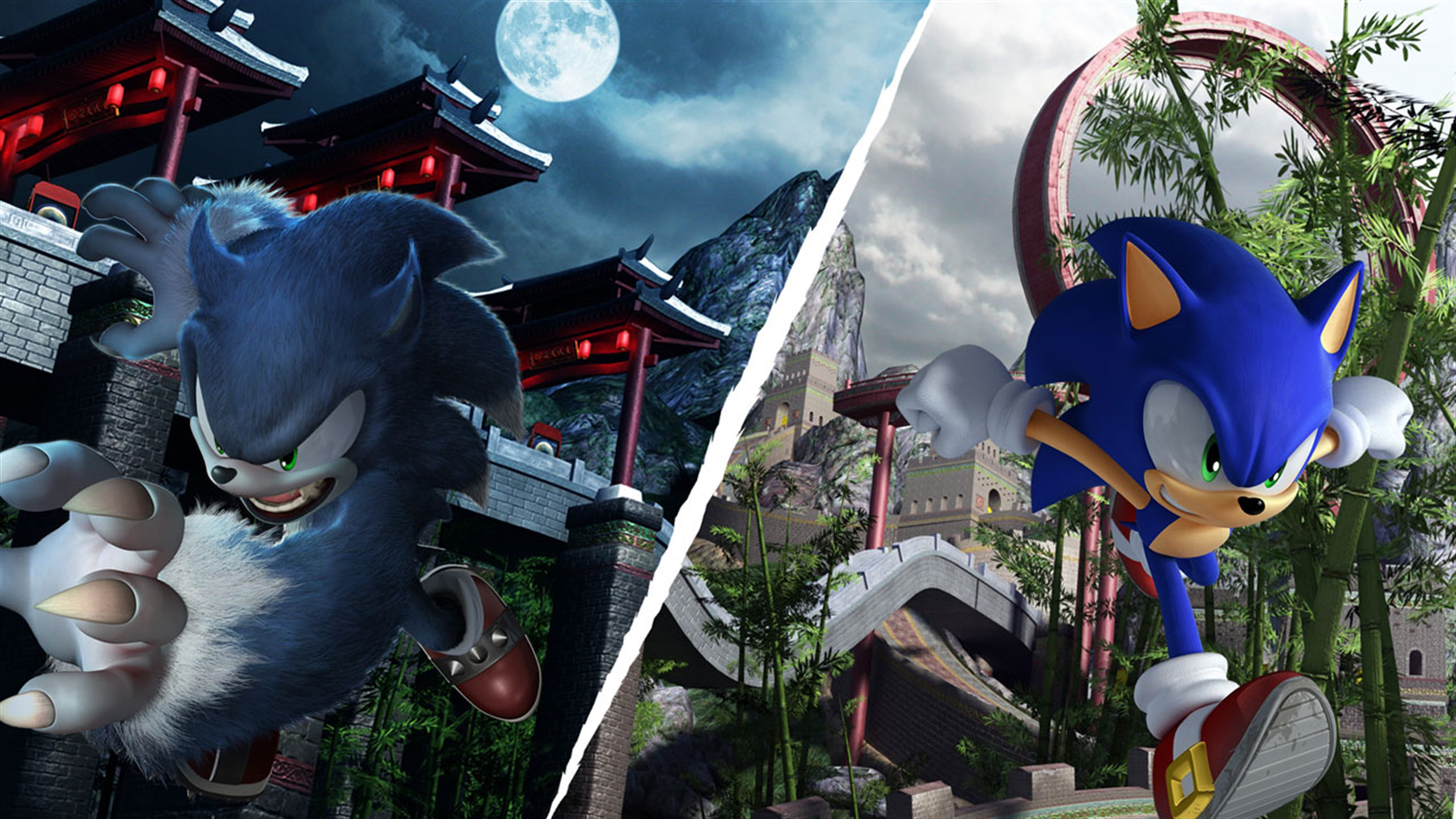 Sonic Unleashed (PS3) Review