A strong GameCube home for the classics, with one especially irritating way to unlock them
Sonic Mega Collection is easy for me to enjoy because so much of what it contains is already worth playing. The GameCube package brings together the main Genesis platformers and several spinoffs, giving the selection a wider character than a simple gathering of the numbered games. I like having those different parts of Sonic's early library in one place, with manuals and artwork providing useful context around them. The package is not equally thoughtful in every decision. Hiding games behind repeated launches is an annoying way to make a collection feel larger, and the missing CD and 32X adventures keep the selection from representing the entire period. Neither weakness cancels out the quality of what is included. Eight and a half is my score. It is a very good collection whose main appeal comes from the games, supported by worthwhile extras and held back by a few avoidable decisions about access and scope.
The core platformers make a strong foundation. Sonic the Hedgehog, Sonic 2, Sonic 3 and Sonic & Knuckles have enough differences in pace, stage structure and character abilities to make them worthwhile together rather than feel like four interchangeable entries. I enjoy moving between their approaches, whether that means the more measured rhythm of the first game or the larger connected adventure formed by Sonic 3 & Knuckles. The lock-on content matters because it changes what can actually be played, and I am glad that the collection supports those combinations instead of leaving them outside the package. A compilation should preserve the interesting ways its games connect. The quality of the original adventures does most of the work here, but choosing to include the important combinations is still part of assembling the release properly. It gives the selection more substance than the visible list of cartridge names initially suggests, and it makes exploring that list more rewarding.
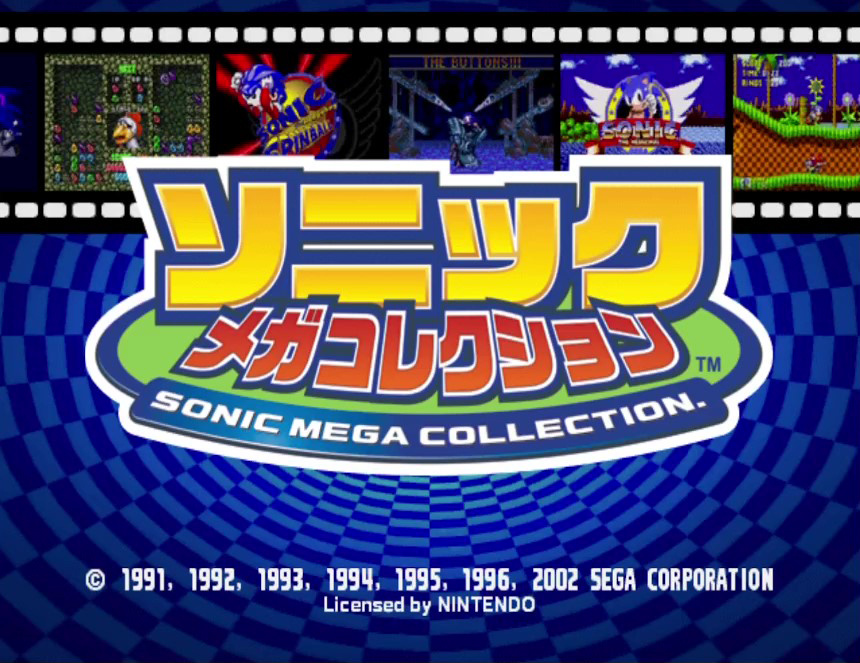
Spinball, Mean Bean Machine and the other smaller inclusions broaden the selection without changing its central identity. I do not like every one of those games equally, but a collection benefits from allowing a different kind of activity without requiring another purchase or another cartridge. A puzzle game and a pinball adventure provide a genuine change of rhythm from running through zones. That variety is useful even when I would give an individual spinoff a much lower score than the strongest platformers. I am judging the package as a way to access this material, not pretending that every game inside deserves the same enthusiasm. The weaker entries become things to investigate or revisit briefly, while the best ones give the collection its lasting value. I like being able to make that choice for myself. The compilation feels more representative because it includes these less straightforward parts of the library rather than reducing the past to only its most obvious successes.
The unlock requirements are the part I find hardest to defend. Repeatedly starting games is a dull substitute for simply making the collection's contents available or tying them to an interesting challenge. I do not enjoy feeling that the menu is counting launches while I wait for material the package already contains. It is especially frustrating in a release whose value depends on easy access to old games. A hidden surprise can be fun when discovering it is part of the pleasure. Repeating an administrative action is not the same thing. This does not make the included games worse once they are available, but it makes the collection less pleasant to use than it should be. I want to choose something because I am interested in playing it, rather than because the package needs another recorded start before it will let me choose something else. That is an unnecessary obstacle in an otherwise welcoming collection of familiar games.
The manuals and illustration galleries are much more successful additions. I like being able to read the instructions alongside the games instead of having the collection assume that every detail is already familiar. The artwork also gives the characters and their history more space than a tiny portrait beside a title would. The comic-cover gallery is another interesting part of the archive, though I do not treat a large gallery as a replacement for a missing playable game. These extras work best as supporting material. They make looking through the collection more enjoyable and give the package a sense of care, while the platformers remain the reason to stay. I appreciate that balance. A useful archive does not need to interrupt every game with a history lesson, but it should provide something for the person curious enough to look. Mega Collection has enough of that material to feel like a considered package rather than an anonymous folder of old software.
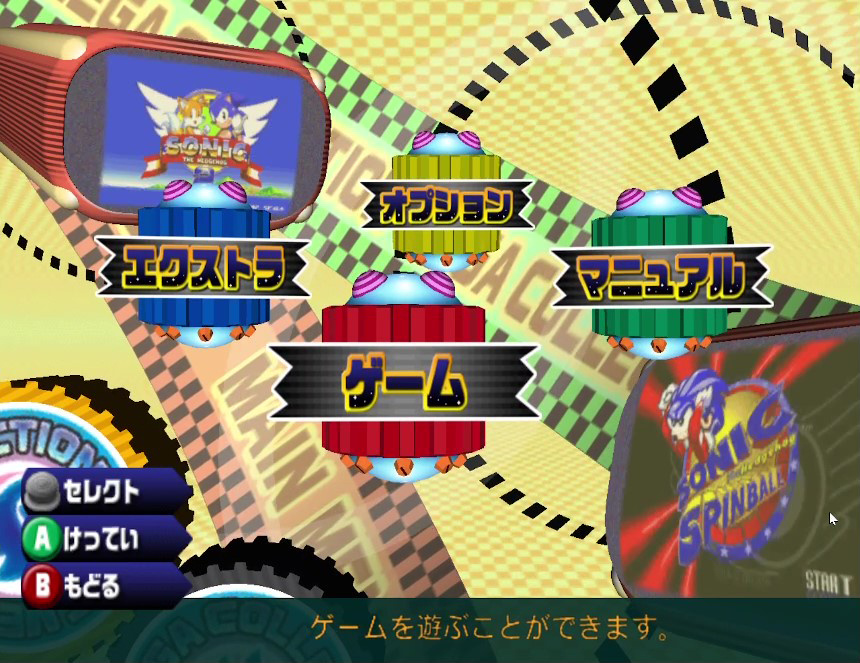
The omissions keep the title from describing an exhaustive Sonic collection. Sonic CD and Knuckles' Chaotix are not included, so the package has a clear boundary even though it covers the main Genesis library well. I would enjoy a broader selection, especially when a missing title represents a different style or a distinctive part of the series. I do not think the correct response is to ignore those absences, and I also do not think they erase the value of what is here. The important question is whether the actual selection is strong enough to recommend. For me it is. The main platformers provide a substantial amount of enjoyable play, and the spinoffs make the package more varied. I would simply want someone choosing it to understand what it contains, rather than assuming that a large-sounding name means every important early Sonic game has been gathered without exception. The contents are strong enough without exaggerating their completeness.
My final reaction is that Mega Collection does the most important thing well and makes a few supporting decisions worse than they need to be. It gives the GameCube a very enjoyable selection of classic Sonic games, includes the lock-on combinations and supplies manuals and artwork worth looking through. The launch-count unlock system is tedious, and the missing add-on games keep the package from being comprehensive. Those are real qualifications, but the best games here are good enough that I still find the collection easy to recommend. Eight and a half out of ten reflects the overall value rather than an average of every included title. I like having this material together, and I enjoy the variety enough to return to more than one favorite. I just wish accessing all of it were as straightforward as the collection's basic purpose suggests it should be.
Final thoughts
Mega Collection gives GameCube a strong and varied set of classic Sonic games, with important lock-on combinations and worthwhile manuals and artwork. Tedious unlock requirements and missing add-on titles are clear weaknesses, but the actual selection remains very easy to enjoy. 8.5/10.
Final score: 8.5/10.
Reviewed on Nintendo GameCube. No review copy was provided.
 Sonic Mega Collection Plus Review
 Mega Man X Legacy Collection 1 + 2 Review
 Mega Man X Legacy Collection 2 Review