A confident little 3D adventure that makes its character abilities worth exploring
Sonic Dream Team is a very enjoyable reminder that a compact Sonic adventure can feel substantial when the movement and routes have been given enough care. The dream setting gives the stages room to be playful, and the different characters create useful reasons to look beyond the most obvious path. I like how focused the game feels. It has missions and collectibles without losing sight of the pleasure of directing a character through a three-dimensional space. Eight and a half is my score. I would enjoy more variety in some of the repeated objectives, and the structure makes its smaller scale clear. Those qualifications do not weaken my recommendation much because the core is so appealing. The game uses its size sensibly, encouraging another visit to a stage through a different ability or a cleaner route rather than expecting an enormous world to supply all the interest. It is a strong, lively adventure with a very good understanding of what it wants to do.
The dream theme gives the environment permission to bend around the action. Wall-running and gravity changes can make a route feel more imaginative without requiring the game to abandon the clarity of a platforming goal. I like being able to see the next piece of movement and understand why getting there might be fun. The setting is not only an excuse for unusual colors; it supports stages that can change direction and scale in ways suited to Sonic's abilities. The important thing is that the play remains readable underneath that freedom. A strange world becomes enjoyable when its rules give the character something practical to do. Dream Team usually handles that balance well, making the environment feel playful rather than merely decorative. I enjoy the visual identity, but I enjoy it more because the routes have a purpose. The stage is interesting as somewhere to cross, not only as a background to watch while a familiar character runs in front of it.

The cast is central to that appeal. Speed, flight and gliding or climbing give the characters different relationships with the same space, so the selection changes more than the animation used to reach the goal. I like a route that becomes understandable in another way when a different ability is available. A high section can invite flight, while a wall or a gap can suggest a useful purpose for climbing or gliding. The game benefits from making those differences relevant inside its stages rather than only listing them beside a portrait. It also avoids the need for every character to carry a completely separate genre. The actions remain connected to movement through the same kind of adventure. That makes the variety feel cohesive. I can enjoy another character without feeling that the game has pulled me into an unrelated activity between the parts I actually wanted to play. The different abilities broaden the platforming instead of repeatedly interrupting it.
The mission structure gives the stages another use after the first clear. Returning with a different objective can make a familiar route worth inspecting instead of simply repeating it without another reason. I like that the game asks for attention to the environment, especially when an ability makes a previously awkward part more inviting. Dream Orbs provide a clear progression goal, so the individual tasks lead toward another area rather than existing only as a completion percentage. The limitation is repetition. Not every change of objective creates a completely new experience, and familiar spaces can begin to reveal how much the package depends on revisiting them. I do not mind that by itself. I want a compact game to make good use of its levels. Dream Team mostly does, but I would welcome more situations that substantially change the way a stage is read rather than only changing the particular reward being pursued at the end of a familiar route.
The movement is good enough to make those return visits worthwhile. I enjoy a game where learning the space makes the next run feel more confident, with fewer hesitant adjustments between one action and the next. Sonic's speed is appealing when the layout gives it a clear purpose, and the different character abilities give the same principle another expression. The adventure does not need every moment to be extremely fast to remain entertaining. A more deliberate climb or a flight toward another route can be enjoyable because it changes what the space asks from the player. That is a useful balance for three-dimensional Sonic. The character feels capable without making the environment irrelevant. I appreciate how the smaller stages can concentrate on that relationship, giving each route enough structure to be understood and improved. The scale is limited, but the movement gives the available space more value than a much larger area with less interesting interaction would have.
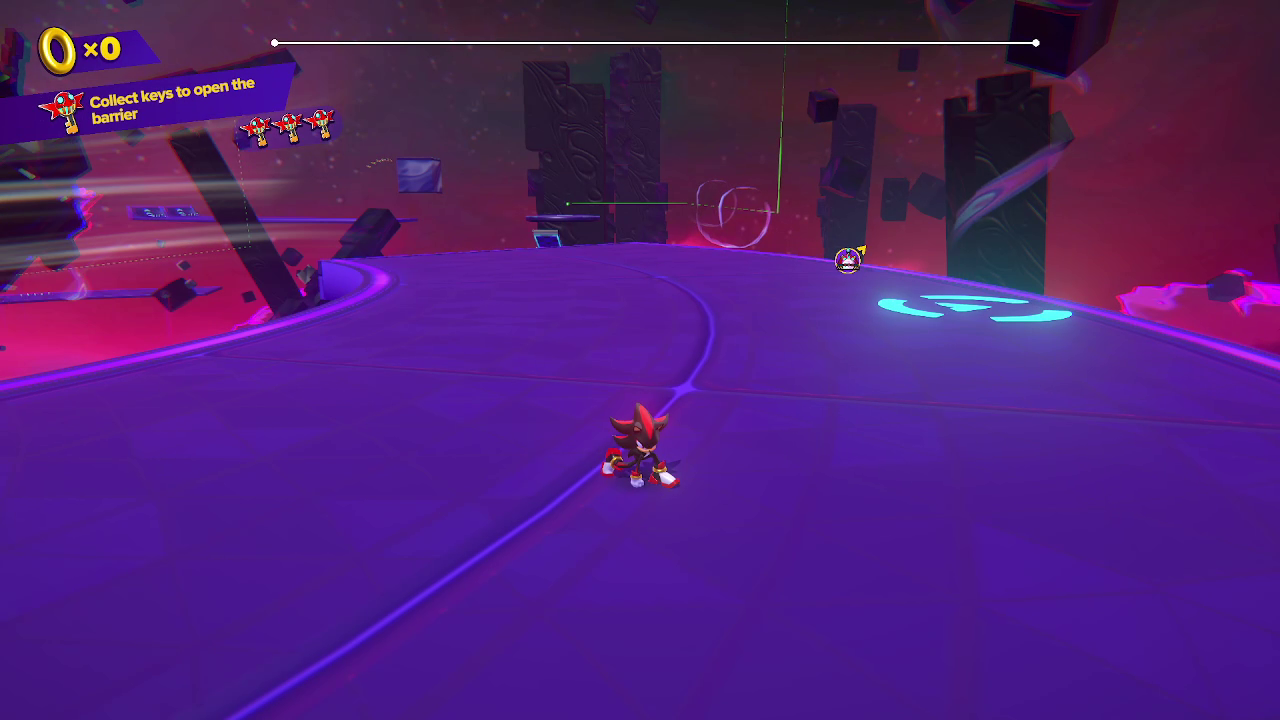
The story provides a light direction through the dream world, with Eggman's attempt to use its power giving the cast a reason to become involved. I like the playful tone and the fact that the setting has a clear identity beyond being another familiar location. Ariem and the dream premise make the adventure feel like its own chapter rather than an anonymous collection of stages. The music and colorful presentation support that feeling, while the collectible rewards provide a little more to inspect outside the main progression. My strongest interest remains the platforming, which is exactly where I want it to be. The extras are pleasant because the main game is enjoyable, not because they are compensating for a weak foundation. I would prefer a little more breadth in the missions, but the package generally respects the value of a focused experience. It gives the characters something suitable to do and presents that activity with enough personality to make the trip memorable.
I finish Dream Team with a strong recommendation because the game makes a compact format work in its favor. The routes are enjoyable to learn, the character abilities matter and the dream setting supports imaginative movement without making the action lose its purpose. Repeated objectives and the smaller overall scope are the main reasons my score stops at eight and a half. They are qualifications to an experience I like rather than problems that dominate it. I enjoy having a three-dimensional Sonic game that can focus on movement, revisiting and the practical differences between the cast without scattering its attention across too many unrelated systems. The result feels confident and welcoming. Eight and a half out of ten reflects how successfully it turns a modest adventure into something worth exploring carefully, with enough character and route variety to make another attempt feel like an attractive choice rather than an obligation.
Final thoughts
Dream Team has enjoyable 3D routes, meaningful character abilities and a dream setting that supports imaginative movement. The repeated objectives expose its smaller scale, but the focused structure makes good use of the stages. I find it a confident and very appealing Sonic adventure. 8.5/10.
Final score: 8.5/10.
Reviewed on iOS using iPhone 13 Pro Max. No review copy was provided.
 Team Sonic Racing Review
 Sonic Dash 2 Sonic Boom Review
 SONIC PICO PARK Review