
An enjoyable collection loop whose sense of speed is stronger than its sense of adventure
Sonic Speed Simulator is enjoyable when I accept what its title is promising. This is a game about moving, collecting and watching a character become capable of covering space more quickly, rather than a conventional Sonic adventure built around a fixed sequence of carefully authored acts. I like the immediate satisfaction of that growth and the pleasure of exploring recognizable scenery at a more confident pace. My enthusiasm becomes more qualified when the next goal asks for another long stretch of familiar collecting. Seven out of ten is my score. The loop has a clear appeal and enough personality to be worthwhile, but the repetition can become more important than the discovery. I enjoy it most when an improvement changes how the world feels to cross. I enjoy it less when the improvement is mainly another requirement to complete before a new character or reward becomes available. The game is entertaining without replacing the kind of adventure its branding may initially suggest.
Movement is the strongest part of that entertainment. Seeing the same space become easier or faster to cross gives progression an immediate physical result, which is more satisfying than a number increasing without any visible effect. I like that the world itself becomes part of the reward. A route that once felt lengthy can become a short connection between activities, and a more capable character can make exploration feel more comfortable. The limitation is that speed alone cannot make every route interesting. A conventional Sonic stage uses slopes, hazards and alternative paths to give momentum a precise role. A simulator has a different priority, using repeated travel and collecting to support growth. I find that priority enjoyable in a more relaxed way, but it also means the movement does not always have the same sense of purpose. The game feels strongest when the environment gives the new speed something useful to do beyond making the next collecting circuit quicker.
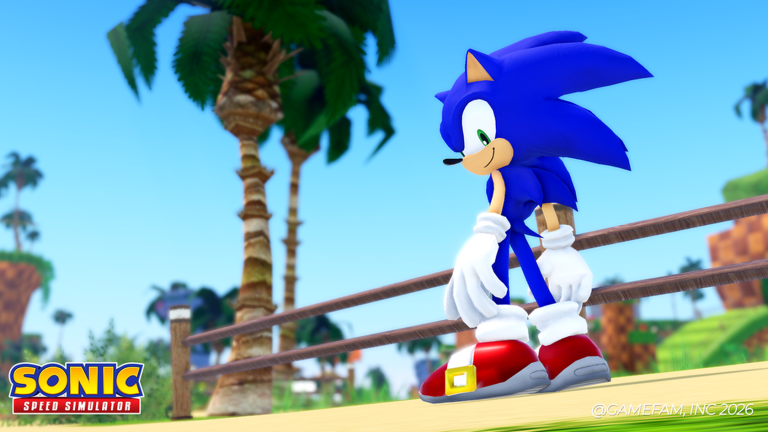
Collectibles provide a clear reason to keep moving. Rings and progression objects turn the environment into something to read rather than only a backdrop to cross, and I like having a visible path of useful things that can suggest the next direction. The basic action is approachable: move toward something, collect it and develop the character further. That clarity is part of why the loop can be satisfying. The problem is how easily the same clarity becomes repetition. Another cluster of objects may provide a reward without creating a new decision, and the game can begin to feel more like following a familiar circuit than discovering another possibility. I do not think simple collection is automatically bad. I want the repetition to remain pleasant enough that the reward supports it rather than becomes the only reason to continue. Speed Simulator reaches that balance in some stretches and feels much more routine in others.
The character collection gives the progression a stronger identity than an anonymous set of upgrades would have. Sonic's cast is appealing, and working toward a recognizable character can make the next objective feel more personal. I like having a reason to care about the reward beyond the statistic attached to it. The game also benefits from using familiar visual themes, giving the different areas a connection to a world that already has a strong personality. My reservation is that a desirable character can make ordinary collecting feel necessary without making it more interesting. I want the process of reaching the reward to remain enjoyable in itself. The moment the character becomes the only attractive part, the loop has begun asking too much of recognition. The game has enough movement appeal that it does not always reach that point, but the longer goals can make the difference between a fun activity and an obligation much easier to notice.
The Roblox setting makes the experience feel social in a different way from a traditional solo Sonic platformer. Other players can share the spaces, giving progression and character choices a visible context beyond a private menu. I like that the game can feel active without requiring every interaction to become a direct competition. It suits the relaxed collection loop. The tradeoff is a less concentrated sense of adventure. The world is something to revisit and develop within, rather than a tightly paced journey toward a conclusion. That is a valid structure, but it needs to be understood on its own terms. I find it more appealing as a place to enjoy movement and gradual progress than as a replacement for a full Sonic campaign. The social presence and recognizable cast give the simulator personality, while the basic quality of the tasks still determines how long that personality remains enough to make another return feel worthwhile.
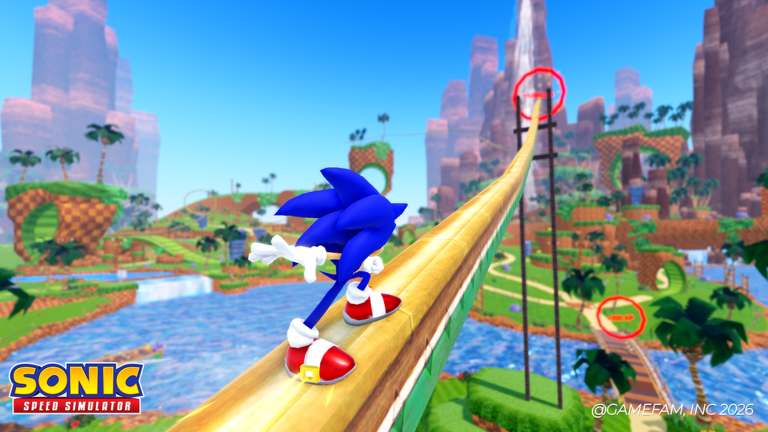
Ongoing objectives and changing rewards can give the game reasons to be revisited, but I do not treat that ongoing nature as an automatic improvement. A new target is useful when it gives the familiar actions another appealing purpose. It is less useful when it mainly increases the amount of familiar work required. I like a progression goal that changes how the world is approached, and I am less enthusiastic about one whose main demand is simply more of the same collecting. The presentation helps keep those activities inviting, with colorful environments and characters that are enjoyable to see moving through them. It cannot make every repeated requirement equally engaging. My strongest recommendation is therefore for the central sensation of growth and speed. The wider structure is more uneven, offering pleasant reasons to stay alongside moments when the reward list becomes more prominent than the pleasure of actually carrying out the next task.
I finish Sonic Speed Simulator at seven because the game has an enjoyable foundation and a clear limit to its appeal. Moving, collecting and becoming faster can be satisfying, especially when the environment makes the improvement visible. The cast and shared spaces give the progression personality. The repeated requirements can also make the game feel more like a routine than an adventure, and recognition does not solve that issue on its own. I recommend it as an entertaining simulator built around Sonic's identity, not because it reproduces everything that makes a focused Sonic stage great. The better moments make the simple loop feel pleasant and rewarding. The weaker stretches ask the reward to carry too much familiar work. That leaves a positive but qualified impression: a game worth enjoying for its own kind of speed and progression, with a repetition that becomes more noticeable the longer the next meaningful change takes to arrive.
Final thoughts
Speed Simulator makes growth visible through increasingly enjoyable movement, and the Sonic cast gives collecting a clear identity. Long or repetitive requirements can make the loop feel routine, though. I like it as a relaxed simulator rather than a substitute for a focused Sonic adventure. 7/10.
Final score: 7/10.
Reviewed on PC. No review copy was provided.
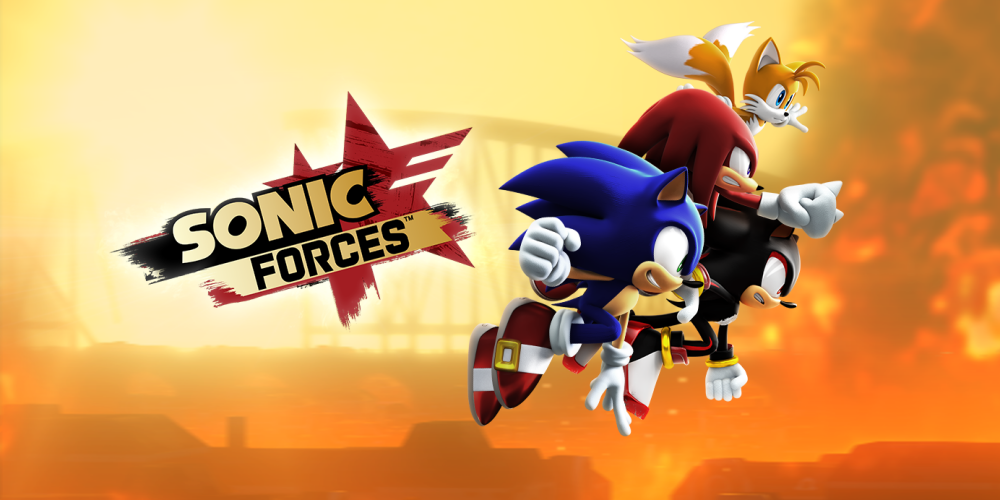 Sonic Forces Speed Battle Review
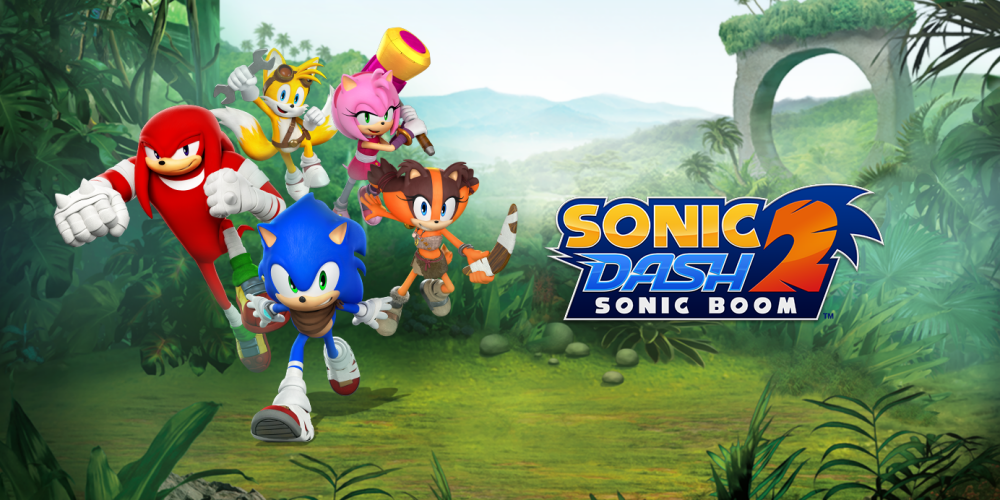 Sonic Dash 2 Sonic Boom Review
 SONIC PICO PARK Review