Enjoyable action gets buried beneath a progression routine I struggle to care about
Phantasy Star Online 2 has enough freedom in its combat and character building to make its appeal obvious, but the original game's wider routine never becomes especially satisfying for me. I like being able to choose a class, experiment with weapons and take an active role in a fight instead of watching abilities resolve around a stationary character. The problem is what surrounds those fights. The repeated missions, equipment decisions and overlapping systems make progress feel more cumbersome than exciting. Four out of ten reflects a game whose individual actions can be enjoyable while the complete experience leaves me cold. I am judging the original mission-based PSO2 here, and its structure matters to that reaction. It can give a short objective a clear beginning and end, but too often I feel the next run promises more administration and familiar work rather than something I am eager to discover. The action is a worthwhile idea inside a game I do not particularly want to keep maintaining.
The combat is the strongest argument in its favor. Different weapon types change the rhythm of an encounter, and Photon Arts give the attacks more personality than a simple sequence of identical button presses. I enjoy having to move, choose an opening and consider how a particular ability fits the situation. That immediate involvement is more appealing than the passive exchanges that can make some online RPGs feel distant. My reservation is how easily an encounter can become familiar once the useful actions have been established. A range of attacks is valuable, but the ordinary missions need to keep creating reasons to use that range thoughtfully. I find the interaction entertaining in pieces without being consistently interested in the sequence of fights that the larger game presents. The system gives me options I can appreciate. It does not make every enemy group or every return to a known objective feel worth the same amount of attention.
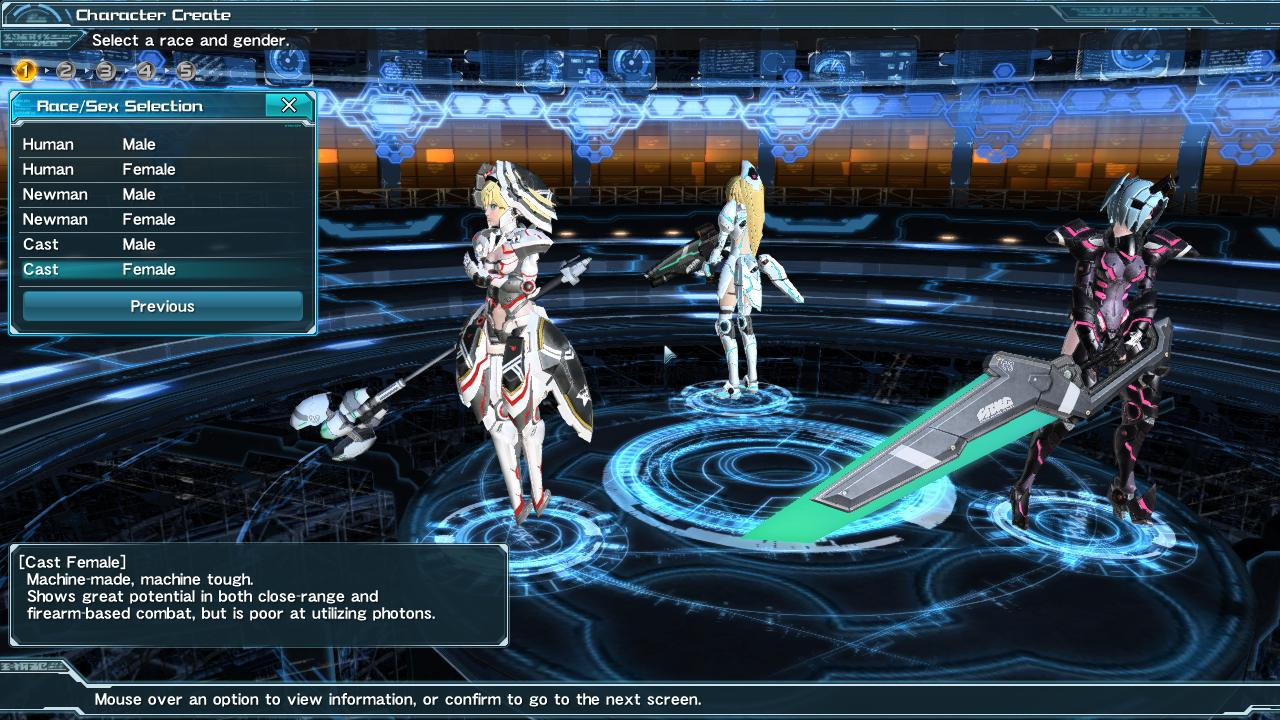
The class system gives character building a real place in the experience. Choosing a role affects the weapons and abilities that deserve attention, so the decision is more substantial than picking a different appearance. I like that an action RPG can support different preferences without forcing every character into the same immediate rhythm. The difficulty for me is how much explanation and organization sits between that interesting choice and a clear sense of direction. Skills, equipment and the various progression systems ask for attention in several different places. Complexity can be enjoyable when each decision produces a satisfying change. Here the quantity of things to inspect too often feels more prominent than the pleasure of making the next choice. I want to understand why something matters through a useful change in the action, not simply through another menu that suggests it should be maintained. The building possibilities are a strength, but the way they are surrounded by additional systems makes them less inviting than they could be.
The quest-based structure should make the game manageable. Returning to a hub, selecting an objective and heading into a mission gives each outing a recognizable form, and I appreciate how that can provide a clear stopping point. The trouble is that the same structure also makes repetition very visible. Another mission can become another trip through a familiar sequence of enemies and rewards, with the next equipment improvement doing more to justify it than the actual activity. I do not dislike repeated spaces automatically. An action RPG needs some repetition, and a good combat system can make familiar encounters worthwhile. What I need is a strong enough balance between enjoying the fight and wanting the reward. PSO2 too often shifts that balance toward the reward without making me particularly excited about it. The loop remains functional, but functionality is not the same thing as an enjoyable reason to return for another round of similar work.
Equipment progression is where that problem becomes hardest to ignore. Finding a more useful weapon or improving a setup can be satisfying because it changes what an encounter feels like. I like that basic promise. I am less enthusiastic about the amount of sorting, comparing and managing that can grow around it. A reward loses some of its appeal when the immediate reaction is another question about where it belongs among several systems rather than excitement about using it. I do not need a game to remove all decisions or reduce every item to an obvious upgrade. I need the decisions to be engaging enough that the effort feels worthwhile. For me, the original PSO2 asks for more interest in its ongoing progression than its missions consistently earn. The gear gives the action another direction, but it also makes the experience feel like a routine to keep organized instead of an adventure whose next step is naturally appealing.
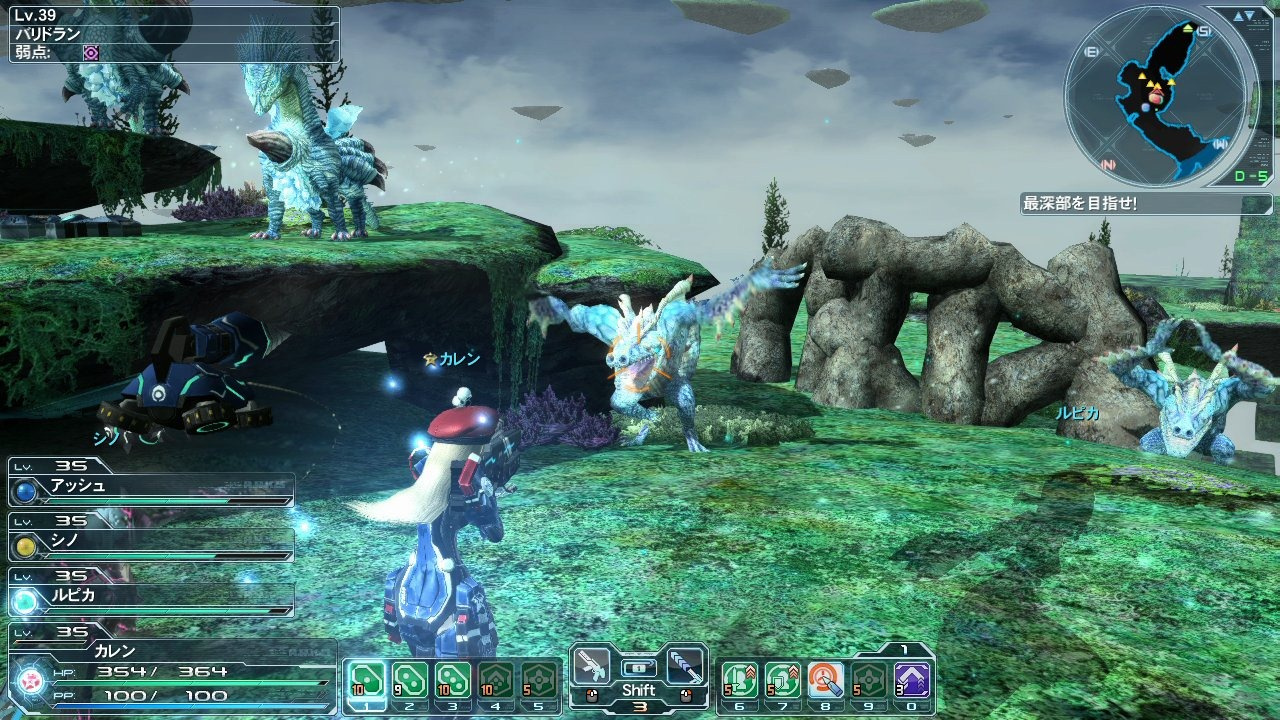
The visual identity remains one of the more attractive parts of the package. The science-fiction styling, expressive characters and variety of weapon appearances make it easy to understand why the world has an audience. I like that it is willing to be colorful and theatrical rather than treating a futuristic setting as a reason for every environment to look restrained. Character customization also gives the personal avatar more attention than a simple portrait and a few preset options would. Those qualities help the game feel like a place with its own identity. They do not solve my lack of enthusiasm for the repeated objectives. A distinctive outfit or a striking enemy can improve the surface of an encounter, but I still need the encounter and its reward to make sense as enjoyable play. Here I admire the style more consistently than I enjoy the routine it frames, which leaves the presentation doing too much of the work of maintaining my interest.
I finish with a disappointed opinion rather than a claim that the game has nothing to offer. The active combat, class variety and character presentation are clear strengths, and I can understand their appeal without sharing the enthusiasm for the entire package. The repeated missions and cumbersome progression make the overall experience less enjoyable than those parts suggest. Four out of ten is the score that fits my reaction. I want an online action RPG to make its next outing feel inviting through the action, the world or a meaningful change in what I can do. PSO2 offers pieces of all three, but too often connects them through a routine I find tiring. The result is a game I can appreciate in isolated encounters while feeling little desire to continue the larger cycle. Its systems promise a lot of possibilities. For me, the work of keeping up with them outweighs the pleasure of seeing those possibilities develop.
Final thoughts
The original PSO2 has enjoyable active combat, varied classes and a distinctive visual identity. Its repeated missions and cumbersome progression make the wider routine much less appealing to me. I appreciate the possibilities without finding the ongoing cycle rewarding enough to recommend. 4/10.
Final score: 4/10.
Reviewed on PC. No review copy was provided.
 Star Wars: Galactic Racer Review
 Order of the Sinking Star Review
 Fist of the North Star LEGENDS ReVIVE Review