
An appealing celebration of the cast held back by a repetitive mobile RPG routine
Fist of the North Star LEGENDS ReVIVE gives its characters a strong visual presence, and that is the main reason I find parts of it appealing. The dramatic techniques, familiar faces and retelling of the story provide a clear connection to the series. I am much less enthusiastic about the repeated character-building routine that surrounds those moments. Forming a team and watching its abilities work together can be enjoyable, but the regular progression becomes more predictable than I want. Five out of ten is where I land. I can appreciate the care in the presentation and enjoy a few of the decisions without feeling that the complete game holds my attention strongly enough. The strongest material makes me care about the characters, while the ordinary loop often feels like the work required to reach another scene or another improvement. That gap keeps the experience mixed rather than making it an easy recommendation based on the license alone.
The team-building idea is a sensible fit for a series with so many recognizable fighters. A roster gives different characters room to matter, and choosing how they sit together creates a more useful purpose for collecting than simply filling a gallery. I like being able to think about the role a fighter brings to the group rather than judging everything by the appeal of a portrait. The limitation is that the surrounding development can make the party feel like a continuing list of things to strengthen. I enjoy a decision that changes how a team works. I enjoy another small increase much less when its main effect is simply to make the next familiar encounter easier to pass. The game offers both kinds of progress, but I find the repeated numerical development more noticeable than the interesting changes in composition. A large roster is attractive, while making the roster consistently enjoyable to use is a separate challenge.
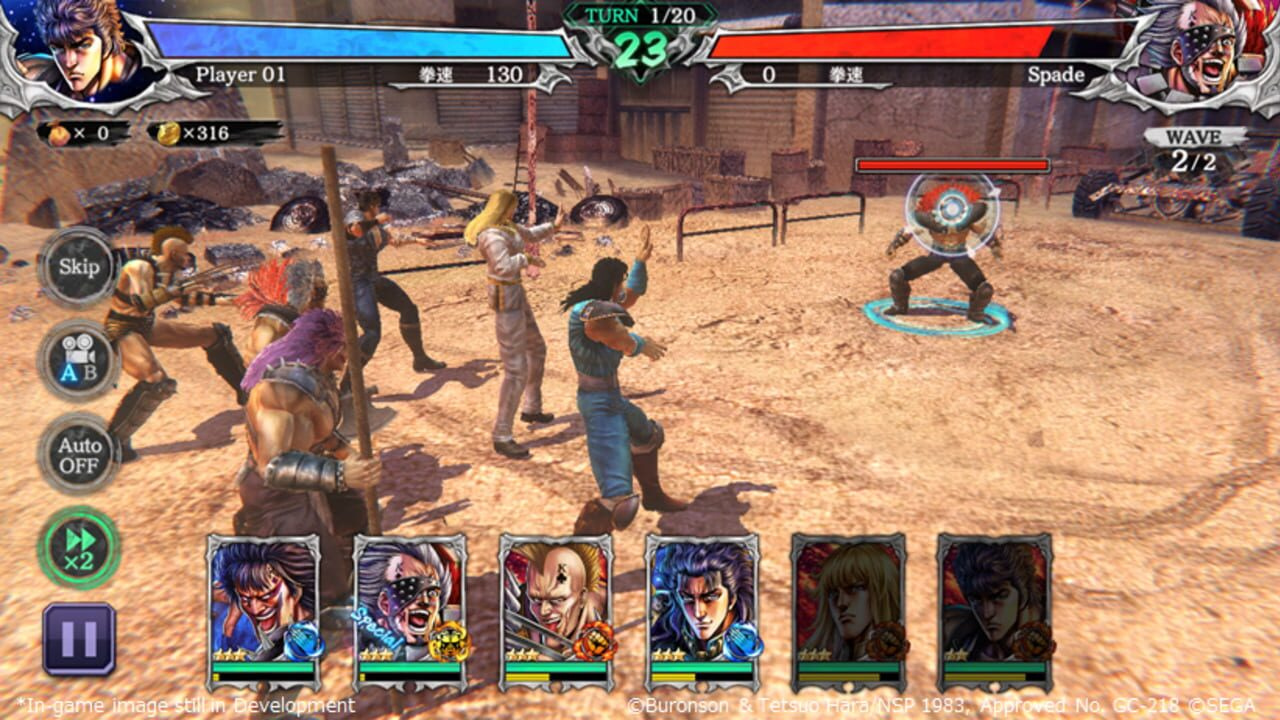
The battle presentation is the part that most clearly understands the appeal of the source material. Secret Techniques are meant to feel forceful and dramatic, and the animation gives the fighters more personality than a small effect over a static image would. I like seeing the game commit to that exaggerated martial-arts identity instead of reducing every attack to the same anonymous flash. Timed tapping and flicking add a small active role to the flow of attacks, giving the player something to carry out rather than only watch. Those touches help. They do not make every repeated encounter equally interesting. A technique that is exciting to see can become familiar long before the progression stops asking for another battle. I appreciate the spectacle without wanting it to perform all the work of keeping the combat entertaining. The best moments combine an appealing animation with a meaningful team decision; the weaker ones leave the animation carrying too much of the experience by itself.
Retelling the original story gives the game a clear direction, especially when the characters and scenes are presented with enough care to make their relationships understandable. I like that it provides a route into the material instead of assuming that recognition alone will explain why a confrontation matters. The visual treatment helps make important events feel distinct from the ordinary interface surrounding them. My reservation is the pace between those events. Repeated fights and development requirements can make the story feel interrupted by the game's maintenance rather than advanced through it. That is frustrating because the narrative is one of the stronger reasons to stay interested. I want the next encounter to support its momentum, not mainly delay the next worthwhile scene. The story gives the package substance, but the mobile progression does not always let that substance become a smooth or satisfying journey through the material.
Upgrading fighters provides a long-term goal, and there is a clear attraction in making a preferred team more capable. I appreciate that a character can continue to have a place in the game after being obtained. The problem is how easily that goal becomes another cycle of acquiring resources and completing familiar tasks. A useful improvement is not automatically an interesting decision. I want the work leading into it to give the party something new to consider, rather than simply increase the amount of familiar activity required. The game is not devoid of strategy, and I do not think the roster exists only as decoration. I find the balance between strategic planning and repetitive development less satisfying than it could be. The strongest decisions make me think about the team as a whole. The weaker stretches make me think about the next resource requirement, which is a much less appealing reason to keep returning to a character-driven RPG.
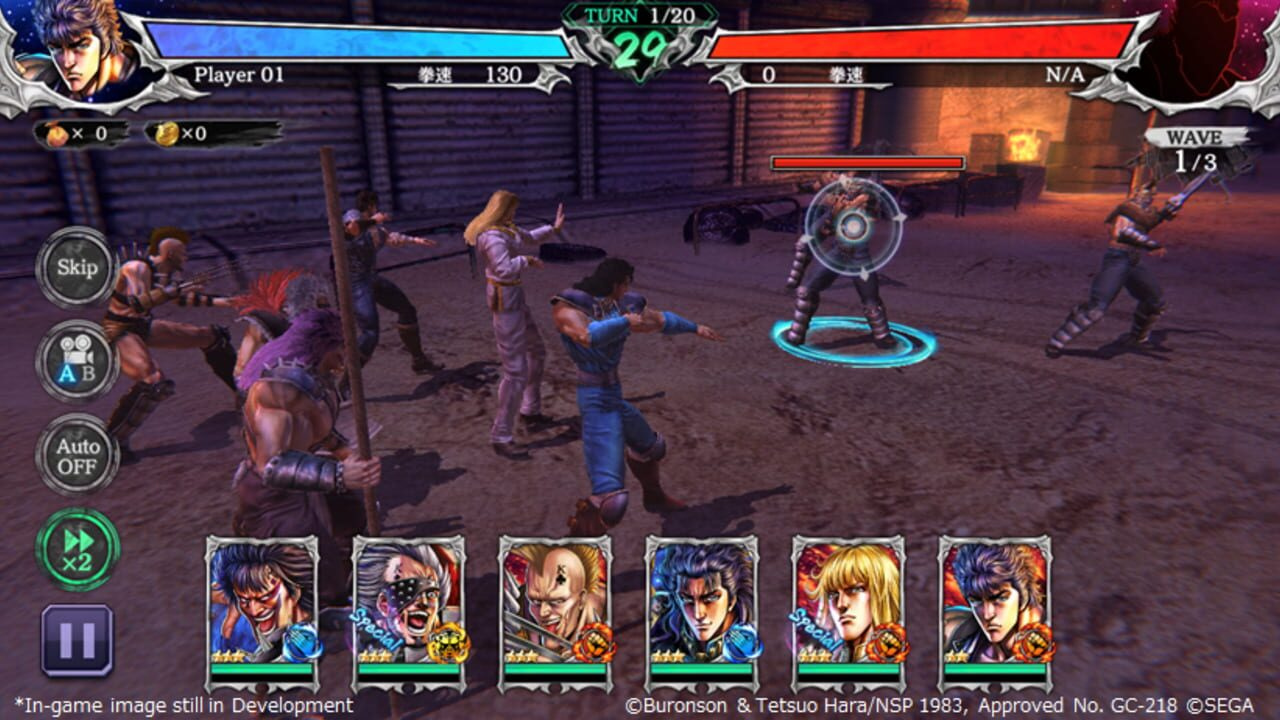
The art and the attention to recognizable moves remain positives throughout that mixed routine. The fighters have a clear presence, and the game can make a familiar confrontation feel like something worth looking at rather than only a menu result. I like that sense of identity. The surrounding quantity of activities and rewards is less persuasive. More places to use the roster can give the game breadth without making the repeated loop substantially different. I would rather a smaller number of particularly satisfying encounters than a longer list of reasons to carry out similar development work. The issue is not that a mobile RPG should never ask for repetition. It is that the repetition needs to support an activity I enjoy enough in the first place. Here the presentation often gives me more reason to care than the actual progression does. That makes the game pleasant to inspect and much less consistently engaging to continue.
I finish LEGENDS ReVIVE at five because the positive and negative sides remain clearly visible. The cast, animations and story presentation give it an identity that I can appreciate. Team composition and the active touches in combat provide some worthwhile interaction around that identity. The repeated progression makes the complete experience much less compelling than the strongest scenes suggest. I do not find it terrible, but I also do not think affection for the characters should be asked to compensate indefinitely for an ordinary mobile routine. I want the process of developing and using the team to be as inviting as the next dramatic technique. Too often it is not. Five out of ten reflects a mixed game whose presentation knows what makes the series appealing, while the regular structure gives me less reason to enjoy staying with it. There is enough care to recognize and not enough consistent enjoyment for a stronger recommendation.
Final thoughts
The fighters, dramatic techniques and story retelling give LEGENDS ReVIVE a strong identity. Team building has some appeal, but repetitive development work weakens the pace and makes the complete game less engaging than its presentation. I appreciate parts of it without recommending the overall routine strongly. 5/10.
Final score: 5/10.
Reviewed on iOS using iPhone 13 Pro Max. No review copy was provided.
 Order of the Sinking Star Review
 Avatar Legends The Fighting Game Review
 The Murder of Sonic the Hedgehog Review