Mayday: The Survival Island has an appealing routine at its center. Gather what is needed, make the next useful improvement, and travel farther from the place that initially provided safety. Its survival and crafting systems give that routine an understandable direction. The problem is that the work required to continue is not always as interesting as the prospect of reaching somewhere new.
The premise places a stranded survivor in an archipelago with more behind it than a simple accident. Establishing a base, finding food, and preparing equipment provide immediate concerns, while the mystery gives the journey a broader purpose. That combination is useful. A home matters more when it supports an adventure, and exploration has a clearer motivation when it might reveal something beyond another resource deposit.
Building up that home is one of the game's better qualities. Farming, animals, crafting stations, and supplies create a practical connection between different activities. An improvement can reduce a recurring problem or prepare the way for another expedition. I appreciate this part of the design because progress is easy to understand. A base gradually becomes more capable, and the benefits belong to the same survival loop.
The different islands also help sustain interest. Changing surroundings give resource gathering a sense of place, and the visual style makes the world inviting without removing the possibility of danger. There is enough variety in the setting to support the desire to keep moving. The game is more convincing when it uses that variety to encourage preparation and discovery together.
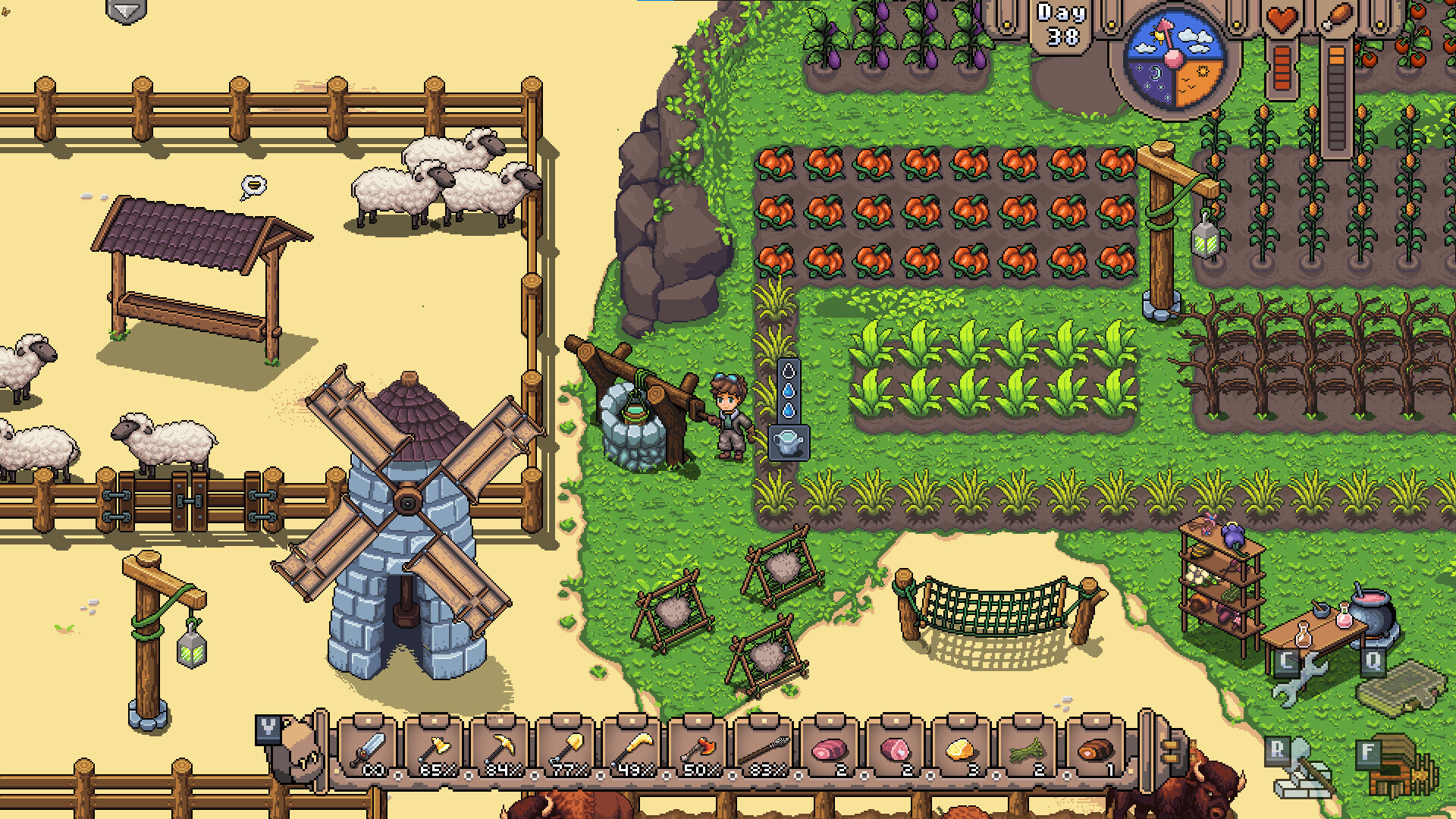
However, an attractive destination does not automatically make the journey to it enjoyable. Gathering, producing, and waiting need to lead to sufficiently different decisions. When progress asks for more familiar materials or another repetition of an established task, the sense of development weakens. Mayday can make its requirements clear without making the process of satisfying them particularly exciting.
This is where its survival and more relaxed homestead ambitions do not always fit comfortably together. Taking time to organize a base is part of the appeal, but food and preparation still compete for attention. A little pressure gives those systems meaning. Too much recurring maintenance makes exploration feel like something being postponed rather than the activity the preparation is supposed to support.
Combat does not consistently compensate for that repetition. The relatively straightforward encounters suit an accessible crafting adventure, but familiarity can turn them into another task between the player and the next meaningful discovery. A larger amount of activity is not necessarily a richer experience when the decisions within that activity remain similar.
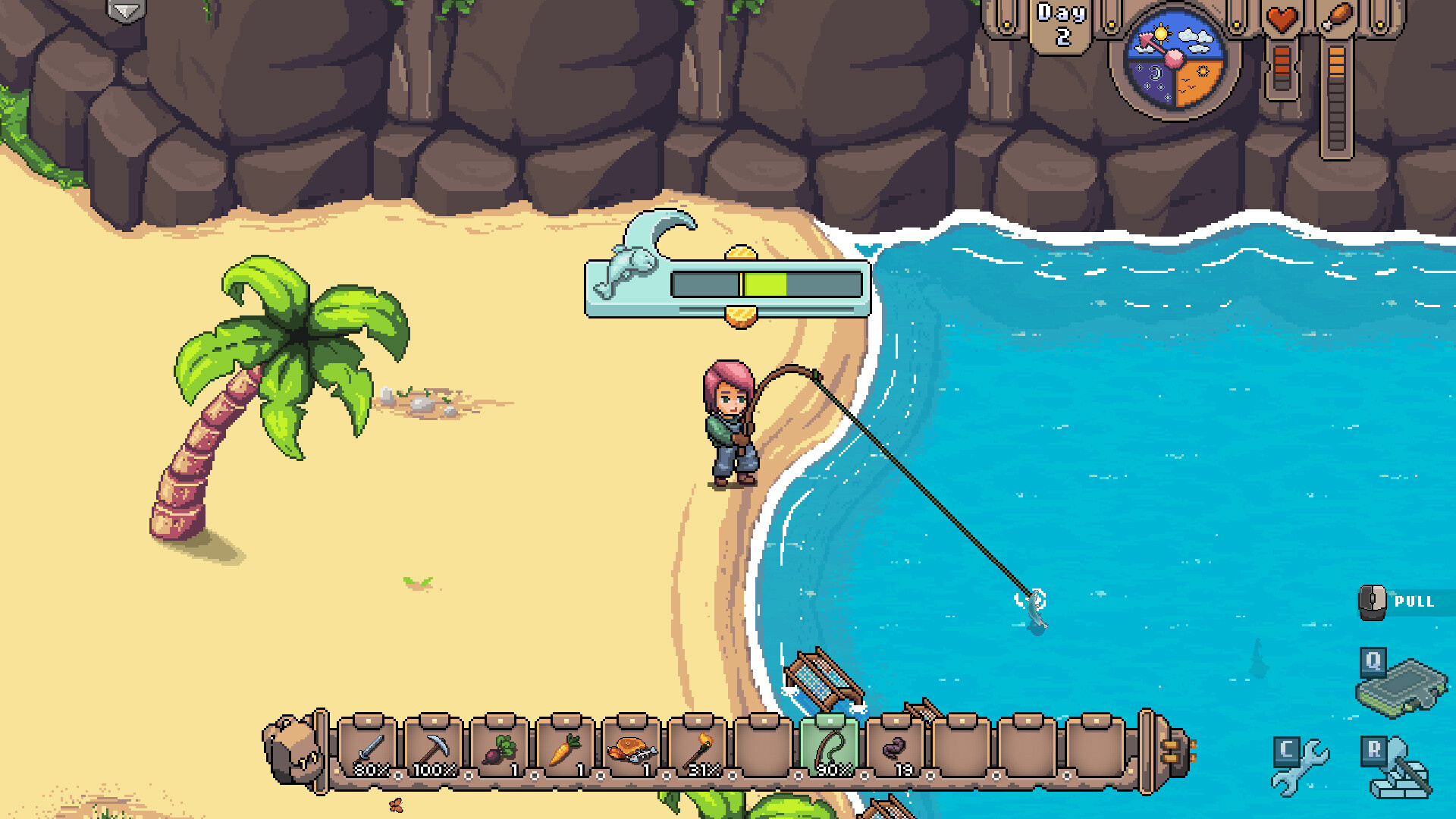
The mystery is a useful framework, although I do not think it is strong enough to make every repeated requirement worthwhile. The survival loop carries much of the game. When that loop is providing useful improvements and a reason to plan another trip, Mayday has genuine appeal. When it becomes a series of gates to work through, the charm of the setting has to do too much of the work.
I would recommend Mayday with qualifications to players who specifically enjoy gathering, crafting, and slowly establishing a dependable home. There is a pleasant adventure here, and the game gives its systems a clear purpose. Its repetitive progression and limited combat keep it from becoming a stronger recommendation. The foundation is appealing; the journey needs more variety to match it.
Final score: 6.5/10.
Reviewed on PC (Windows/Steam) using a supplied review key.
Game information: https://store.steampowered.com/app/1686230/
 Onimusha: Way of the Sword - Review
 The Big Suck Review
 The Legend of Zelda: Ocarina of Time Review