
A thoughtful handheld conversion that adds depth without losing the original game's character
3D Sonic the Hedgehog is a good example of an old game receiving attention where it actually helps. The Nintendo 3DS presentation gives the familiar stages a new sense of depth, while the useful options make returning to them more comfortable without replacing the underlying adventure. I like how the conversion treats the original as something worth presenting carefully rather than something that only needs to be available. The first Sonic is still a game with a more measured rhythm than some later entries, and not every stage has the same appeal. Those qualities remain part of what is being offered. Eight and a half is my score. I enjoy the original platforming and the way this edition supports it, with enough thoughtful additions to make the package feel worthwhile on its own. The stereoscopic effect is an attraction, but the stronger achievement is keeping the familiar movement readable and giving the player sensible choices about how to approach it.
The core adventure still works because it lets speed and ordinary platforming serve different parts of a stage. I like Green Hill's open invitation to move, but I also appreciate that the game is not built entirely around maintaining maximum speed. Slower sections ask for a different sort of attention, with the character's momentum remaining important even when the next jump is small. That makes a clean route feel earned rather than automatic. The reservation is that the shifts in pace are not equally enjoyable everywhere. Some obstacles interrupt the movement more than I would like, and familiarity with the stage can matter substantially to how comfortable it feels. The 3DS edition does not turn those original design choices into something else. It gives them another setting in which to be played. My positive reaction comes from liking the basic adventure enough that careful presentation and useful options can make returning to it more appealing.
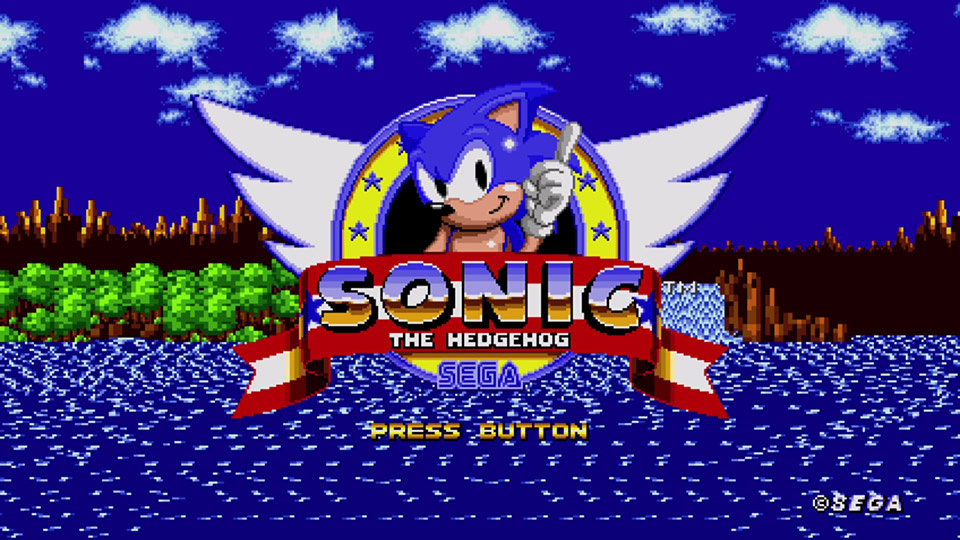
The stereoscopic depth is the most immediately noticeable addition. I enjoy how the layered scenery feels more separate without making the action difficult to follow. The effect suits a side-scrolling game because the main character and the important surfaces can remain clear while the background gains another dimension. It gives familiar places a new visual pleasure without needing to redraw them into a different style. The key is restraint. I do not want a conversion to make an old game harder to read just to demonstrate a screen feature, and this edition's appeal comes from supporting the image rather than overwhelming it. The new depth does not change the placement of every obstacle or make the campaign fresh in the same way as a new set of stages would. It makes the existing world more pleasant to inspect and revisit. That is a smaller achievement than a new adventure, but it is still a worthwhile one when the effect is handled thoughtfully.
The optional Spin Dash is a useful example of giving the player another way to approach a familiar route. The original game did not begin with that move, so adding it changes how quickly Sonic can recover momentum from a standstill. I like having that choice rather than treating one interpretation as the only acceptable way to revisit the adventure. A player who wants the original rhythm can keep it, while someone who enjoys the later move has a practical alternative. The level-select option is another sensible addition, making it easier to return to a particular area without rebuilding the entire journey first. These are not dramatic features, but they affect the ordinary experience of using the package. I appreciate that kind of work. It gives a portable conversion value through convenience and flexibility, rather than relying solely on the novelty of seeing a familiar logo on another machine or the promise that the original's reputation will do all the work.
The presentation options show a similar attention to the details of revisiting an older release. Choosing between regional versions, adjusting controls and changing aspects of the display or sound lets the package accommodate different preferences without forcing the game itself into a single modernized form. I like having those choices available even when I do not need to change all of them. Their value is not that every option becomes essential. Their value is that the conversion acknowledges how the same familiar game can be remembered and approached in different ways. The soundtrack remains a large part of the attraction for me, giving the environments an identity that works alongside their colors and shapes. The options support that existing personality instead of attempting to replace it. I would not give an excellent score to a weak game merely because it had several settings, but here the settings make an already worthwhile adventure more pleasant to return to on the handheld.
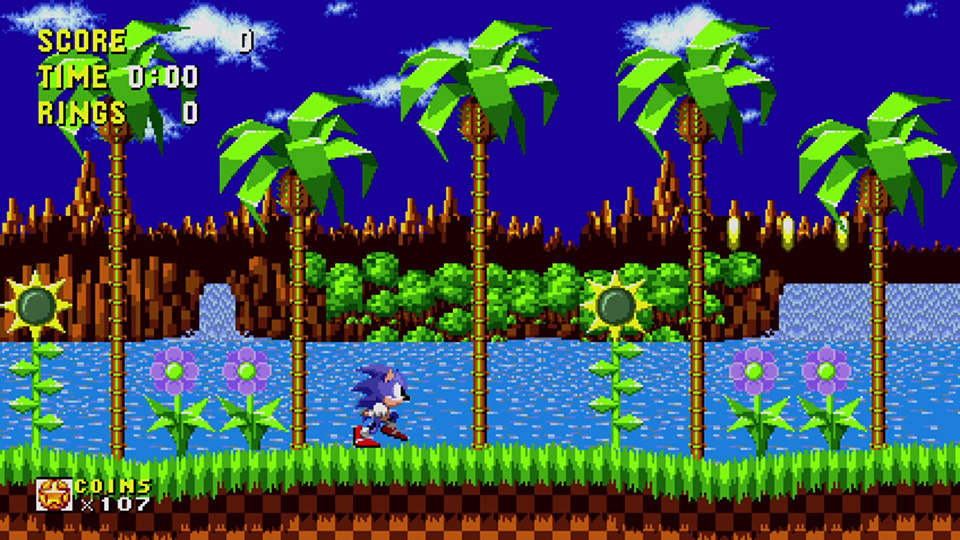
The limits of the package remain clear. This is still a conversion of the first Sonic, with its original stage selection and the same basic strengths and frustrations. Someone looking for a large compilation or an entirely new interpretation will not find that here. I think that boundary is acceptable because the game is not trying to disguise it. My enjoyment comes from the quality of the individual adventure and the care around it. I like returning to the routes, listening to the music and seeing the scenery through a display effect that suits it. The weaker stretches of the original remain weaker stretches, and the new options do not automatically fix every awkward piece of pacing. They simply give the player a more flexible way to enjoy what is already good. That is enough to make this a strong release for me, while leaving room below a perfect score for the limits of the original adventure and the focused scope of the package.
I finish with a clear recommendation. The 3DS version preserves the appeal of a good platformer, gives it attractive stereoscopic presentation and includes practical options that make replaying it easier. I like that the additions are useful without demanding that the original become a different game. Eight and a half out of ten reflects both the strength of the underlying adventure and the quality of this particular conversion. It does not need a large list of unrelated extras to be worthwhile. It needs to make the familiar game enjoyable to play and pleasant to return to, and that is what it does. The original's uneven pacing prevents my enthusiasm from becoming absolute, but the conversion itself gives me little reason to resist another visit. It is a focused package whose small improvements make a real difference, with the new depth adding a welcome visual reason to look again at places that were already memorable.
Final thoughts
This is a thoughtful 3DS conversion of a worthwhile Sonic adventure. The depth effect suits the scenery, and practical options such as the Spin Dash and level selection make returning more comfortable. The original's pacing remains uneven, but the overall package is easy to recommend. 8.5/10.
Final score: 8.5/10.
Reviewed on Nintendo 3DS. No review copy was provided.
 The Murder of Sonic the Hedgehog Review
 SEGA AGES Sonic the Hedgehog 2 [Switch] Review
 SEGA AGES Sonic the Hedgehog [Switch] Review